Off The Grid News Better Ideas For Off The Grid Living

|
Listen To The Article
|
Imagine you suddenly find yourself stranded in sub-zero temperatures. You have a limited amount of fuel to produce a small amount of heat, but you have no idea how much longer you will be stuck. You cannot leave your location except on foot, and there is nowhere to go for miles. Snow is blowing and drifting everywhere, making walking even more impossible. You only have whatever food or water you had on your person at the time. This continues for over 24 hours before you are rescued.
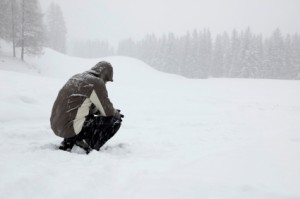 Does this seem like a bizarre and unlikely scenario? Just a couple weeks ago it was reality for not one, but hundreds of unsuspecting motorists, and not in some third world country either. It occurred in the fine country of our neighbor to the north … Canada. Just five miles over the bridge from the United States, a sudden snow storm made the bridge and highway entering Canada from the USA totally impassable for several miles, leaving everyone stranded as authorities desperately worked to clear the roads. Snowplows could not get through. Military vehicles could not get through. Some at risk people were able to be removed by helicopter, but only after several hours.
For one man this emergency proved to be his last. For reasons that are yet unknown, he left his car that had run off the highway in the midst of the crisis. He was found a mere 54 yards from his vehicle – dead. Autopsy results determined he died of hypothermia.
What is Hypothermia?
Hypothermia occurs when your internal body temperature gets too cold – specifically, under 95 degrees Fahrenheit (35 degrees Celsius). It can cause many health problems, including; frostbite, confusion, organ damage, coma, and even death. It can be caused not just by cold weather, but anything that cools the body down, such as use of alcohol and other drugs, being in cool water (even as warm as 65 degree water can cause hypothermia), or even the wind chill you are subjected to when riding a motorcycle. Often these work in combination with each other and, combined with insufficient clothing for the conditions, underlying health conditions, or risk factors such as age, contribute to the yearly statistical fatalities. Children can even get hypothermia sleeping in a cold room with too few blankets, since they are more vulnerable than adults.
Preventing Hypothermia
So how do you keep hypothermia from setting in? The simple answer is to stay warm. That can be easier said than done but, as with everything else, forethought and planning can be a great help.
- Make sure you have enough fuel to heat your home.
- Dress warmly and make sure your children do the same.
- Have adequate blankets for sleeping. Know if your child has a tendency to kick blankets off and if so, ensure they have extra warm pajamas.
- If you have elderly neighbors or relatives, cold winter temperatures may be a good reason to check in and make sure they are okay.
- Never drink alcohol as a way to warm up. While this may make you feel warm, in actuality it increases circulation and causes your pores and blood vessels to dilate, making heat escape from your body even faster.
- When traveling in a cold climate, always make sure to have food, water, blankets, and flashlights in your vehicle, and don’t let your gas tank get below half full.
- Stay with others, as you can then help each other in an emergency. Or at the very least, make sure someone always knows where you are and when you should return.
- In an emergency or bug out situation, don’t forget to put heat high on your list of priorities. Having all the food and water in the world won’t help if you succumb to hypothermia.
- If you get wet, strip down to a dry layer, and get dry clothing on as soon as possible. Water saps your heat and energy much faster than dry air.
- Make sure that you don’t overdress, as this can lead to sweating, making you wet.
- Dress in layers so that you can add or take off clothing incrementally in order to maintain the ideal temperature.
Recognizing Hypothermia
Hypothermia is a sneaky killer. Because one of the first things it does is inhibit brain function, you may not even realize that you are becoming hypothermic. Judgment becomes impaired, and confusion starts to set in. This can lead to risky behavior that makes you even more vulnerable.
The first noticeable response your body will have to cold temperatures is shivering in an attempt to warm up. When you or a loved one starts shivering, it is the time to take action. It will be increasingly more difficult to prevent and care for hypothermia as it progresses. Once your body reaches the shivering stage it will be harder to think, as the brain is the first major organ that is affected by cold. Once your body gives up on shivering, it will progress through additional symptoms including:
- Hunger
- Nausea
- Lack of dexterity and increasing clumsiness
- Confusion and inability to think clearly
- Difficulty making decisions or knowing what to do to warm up
- Slurred speech (as if you are drunk)
- Extreme sleepiness and lethargy
- Apathy – not caring what happens anymore
- Organ failure that results in shallow breathing and irregular pulse
- Coma
- Death
With infants and children you must be especially observant since many of these symptoms may not be as noticeable, but will still be present and observable if you are paying attention.
Treating Hypothermia
In cases other than very mild hypothermia, where no frostbite has occurred and the individual is still in a relatively stable mental state, professional medical care is ideal, if possible. Tissue can be damaged by rough handling, and a medical facility will have the ability to do things (such as use warm fluids through an IV, or even draw blood to warm it and then put back into the body) that just aren’t available in a home setting.
However, in some situations you will have no choice but to do the best you can to care for yourself or others.
- Get to a warm space as quickly as possible. Remember that water and wind cool things (and people) very rapidly, so at least getting out of a breeze and into a dry area will help considerably.
- Move people very gently. As noted above, skin and muscle tissue are vulnerable to damage, and any additional stress on already erratic heart rhythms and breathing could prove fatal.
- The core of the body needs to be warmed first, not the extremities. Focus on heating the chest, neck and groin area. Don’t apply warm compresses to the arms and legs as this can actually make the core even colder, leading to death as the organs fail.
- Hot water and direct heat can also be damaging, so use warm blankets, skin-to-skin body heat, and the warmth of the surrounding air (by turning up the heat or lighting a fire) to get warm.
- Use several layers of blankets (or coats, or clothing piled on top of the person), covering their head and entire body, excluding their face.
- Even if vital signs are hardly detectable, keep trying. The shallow breathing and low heart rate may even make a person appear to be dead. Administer CPR if you are absolutely sure that there is no heart beat or visible respiration – but the priority is to get them warm and dry.
- If you have no choice but to be outdoors, at least put a layer of blankets between the person and the ground.
- If the person is conscious, warm liquids can help warm them from the inside out. However do not give them anything with alcohol or caffeine as both these items will dilate blood vessels and increase circulation, cooling the body further. Tomato soup, herbal tea, and even orange juice heated up are some ideas. Remember that warming needs to be gradual though, and modify temperature accordingly. Don’t give a very hot beverage to someone just starting to get warm. If possible take the person’s temperature and measure the temperature of the beverage to ensure it is only a few degrees warmer.
Hypothermia is more likely to affect those who are elderly, sick, or very young, but can strike anyone if the conditions are right. In fact, according to the CDC 23% of cases of death from hypothermia occur while the person is at home. Protect yourselves and those you love from this silent, yet dangerous, result of too much cold.
Other articles in this issue:
If you liked this article you may be interested in this product from our sponsor.