Off The Grid News Better Ideas For Off The Grid Living

Silver and gold are well-known choices for building up a safety net in times of economic crisis. However, one concern that many people have is the usefulness of gold coins or silver bars with high values. After all, you’re not really going to want to use an ounce of gold to pay for a few loaves of bread. You want something smaller and easier to use as a unit of trade, like junk silver.
Junk silver is a catchall term that doesn’t actually refer to “junk” in the traditional sense. This isn’t silver scrap or broken necklaces. Instead, junk silver is the term used to describe silver coins that have been circulated, stripping them of any value as collectible items. With no numismatic or collectible premium on the coins, they have value only in terms of their precious metal content.
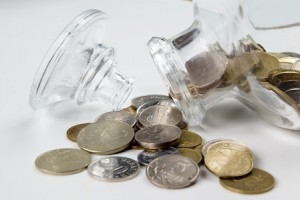 Compared to collectible coins or rare coins, junk silver is easy to find and very affordable, notes U.S. Secure Coins CEO Jason Whitney. Junk silver can be bought through major coin dealers in bulk bags, or at coin shows, swap meets, and garage sales on a coin-by-coin basis. You may even find it in your pocket change or in coin jars that have been filled by multiple generations. Like other precious metal coins, it is measured in troy ounces, and you would need any combination of 90 percent silver coins with a face value of $1.40 to equal one troy ounce, states Whitney.
To use junk silver effectively in your wealth building and safety net strategies, you need to familiarize yourself with the major coins that make up the junk silver family. This includes dollars, half dollars, quarters, dimes, and nickels that were once common currency in the United States before the coinage was replaced with new coins made from less valuable metals. The list below includes each U.S. minted junk silver coin with its years of production and total silver content:
Dollars
- Morgan (1878–1921): 90 percent silver
- Peace (1921–1928 & 1934–1935): 90 percent silver
Half-Dollars
- Liberty Head “Barber” (1892–1915): 90 percent silver
- Walking Liberty (1916–1947): 90 percent silver
- Franklin (1948–1963): 90 percent silver
- Kennedy (1964): 90 percent silver
- Kennedy (1965–1970): 40 percent silver

Quarters
- Liberty Head “Barber” (1892–1916): 90 percent silver
- Standing Liberty (1916–1930): 90 percent silver
- Washington (1932, 1934–1964): 90 percent silver
Dimes
- Liberty Head “Barber” (1892–1916): 90 percent silver
- Winged Liberty Head “Mercury” (1916–1945): 90 percent silver
- Roosevelt (1946–1964): 90 percent silver
Nickels
- Jefferson “Wartime” (1942 (partial)-1945): 35 percent silver
Remember, pricing for junk silver is tied to the metal weight and silver content level and should not include any collectible premium. Many of these coins are indeed quite old, but that doesn’t make them valuable as antiques since they were widely circulated and heavily used in many cases.
Holding it in your hand, you will notice that junk silver is often smooth from years of pocket use and may be discolored around the edges. This is fine, as it doesn’t diminish the metal value of the coins, but it certainly doesn’t entitle any dealer to charge extra for the coins simply because they are old! Most of these coins are available as uncirculated collectibles as well, so only graded uncirculated or collectible versions should command a price premium, and this is important to keep in mind as you build a junk silver collection.
In terms of how much junk silver to have on hand, consider your goals and overall financial crisis survival plan. Junk silver appreciates and depreciates with the spot price of silver (currently around $40), so its utility as a medium of exchange does vary. However, at all times it is a recognized and easily liquidated form of holding tangible wealth, with a value high enough to use for daily exchanges but not so high that you would need special security for the coins or be unable to trade them for basic essentials.
As a final note, remember to keep your junk silver separate from your regular spending money. Junk silver coins are still recognized as legal tender in the United States, so your junk silver half-dollars, quarters, dimes, and nickels will be accepted as change without a second glance. Educate your family about silver content differences and store your junk silver away from shared coin dishes to ensure you have this highly useful coinage ready to go if the financial crisis worsens or the U.S. paper currency system collapses.
©2011 Off the Grid News