Off The Grid News Better Ideas For Off The Grid Living

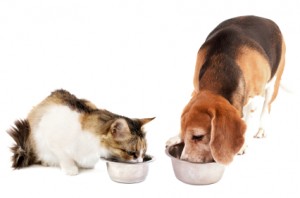 With the huge amount of recalls that began in 2007 and continue sporadically to this day, the pet food industry has lost the business of many pet owners. Many dogs and cats have become ill and have even died because of the contaminants that have found their way into commercial pet foods. To remove the risk from your beloved animals, consider making their food right in your own kitchen.
The idea of making pet food is intimidating to many. Once you get the hang of it, though, making pet food is a cinch. You might even make a business of it. If you find success with your own pets, ask around in your neighborhood to find out if other pet owners might be interested in purchasing your homemade food and treats. You can make it in large batches and earn a little profit.
Discovering the Pleasures of a Homemade Life…
Are There Any Risks?
There certainly are risks with making your own pet food if you do not take the time to do your homework. Dog and cat nutritional needs are not exactly the same as those of humans. And there are some foods that are perfectly safe for us to eat, but that can poison little Fluffy and Fido. Make sure you have a thorough understanding of what your pets need to consume in terms of nutrients and what foods they cannot have before you attempt a homemade diet. It’s not a bad idea to consult with a veterinarian to be sure you are covering all your bases.
Homemade Dog Food
Several things that we eat are poisonous to dogs. The first major hurdle in providing Fido with a homemade diet is avoiding dangerous foods. Do not feed your dog the following:
- Avocado
- Onions
- Garlic
- Raisins
- Grapes
- Macadamia nuts
- Anything sweetened with xylitol
- Chocolate
- Salt
That leaves you with plenty of other foods that can go into his dog food. The next trick is to make sure you give him a balanced diet that includes all of the nutrients he needs and in the right proportions. You need to achieve the right balance of protein, carbohydrates, fat, and vitamins and minerals. A good mix of nutrients can be achieved with a mix of meat, grain, and vegetables along with some supplements. For instance, cook up a mix of lamb, rice, and carrots, or chicken, potatoes, and broccoli.
Make your homemade dog food in batches so that you are not slaving over the stove every day to make a meal for your family and your dog. For instance, if you cook up one whole chicken (remove the meat and do not feed Fido the bones) and mix in a few cups of brown rice, a cup of oats, and a cup of carrots, you should have enough to feed a medium-sized dog for several days. Freeze or refrigerate portions of the food for later. Of course, when you are cooking the foods, do not add any seasoning like salt and pepper or butter. Fido’s meal should be plain; but don’t worry, he will still gulp it down.
If you really want to stock up, make a hearty stew. Brown five pounds of ground lamb in a large soup pot. Add eight quarts of water and bring to a boil. Add eight cups of a variety of chopped vegetables like celery, carrots, broccoli, cabbage, bell peppers, spinach, sweet potatoes, and beets. You can use frozen vegetables if you like. Once the vegetables are soft, add four to five cups of quick oats. When the oats have cooked, the stew is done. Portion it up and store the extra for later in the week. This batch can feed three large dogs for a week. It also gives you the ability to bring some variety into your dog’s diet, which is important for getting all necessary nutrients. Change up the meat, grain, and vegetables each time you make the recipe.
Cats
Cats’ dietary needs are not the same as dogs. Cats require more protein and do not need to have carbohydrates. You can feed them a small amount of carbohydrates, but not so much that it detracts from the high level of protein that they should get with each meal. Cats need to eat protein, fat, vitamins, and minerals. As with dogs, it can be dangerous if you make food that does not have the right nutritional balance for Fluffy. Consult with your vet to be sure you are hitting all the marks. There are also, of course, the foods you cannot feed her:
- Onions
- Garlic
- Chives
- Milk
- Grapes
- Raisins
- Chocolate
- Foods sweetened with xylitol
- Liver – a little bit is fine, but too much can cause vitamin A toxicity
- Spinach (if your cat has any urinary problems)
- Salt
- Citrus fruits
Cats do well getting their protein from both fish and meats, so change it up and give them a variety of protein sources. For a bulk chicken recipe, try cooking up three pounds of ground chicken or turkey. Chop up enough carrots and celery to make five cups of small pieces and add to the meat. Add enough water to cover the bottom of the pan and simmer for several minutes until the vegetables are soft. When the mixture is cool, process it in a blender. This batch should give you enough food to feed your cat for several days.
Cats love fish, so be sure to make plenty of meals with whatever fish you have on hand. You can use canned salmon and tuna, but these fish should not be the only protein source for your cat. If Fluffy eats salmon or tuna every day, she runs the risk of getting mercury poisoning. If using fish filets or fresh fish, make sure you remove all the bones. You can prepare a fish filet for your cat by grilling it, poaching it, or by any method you would prepare fish for yourself. Just remember to leave out all the seasonings for Fluffy’s filet.
Supplements
Commercially prepared pet foods are designed to give dogs and cats just the right balance of protein, fat, and carbohydrates. It also blends in vitamin and mineral supplements to provide pets with adequate micro and trace nutrients. If you are considering switching to a homemade diet, you need to be sure Fluffy and Fido are getting enough of these vitamins and minerals. One way to ensure this is to provide them with a variety of foods. Use several different types of vegetables, grains, and meats instead of sticking with the same food over and over again. Whether or not you need to add supplements to their diet depends on exactly what you are serving the pets. Talk to a veterinarian about what comprises your homemade diet and find out if you should consider supplements.
What About Raw Foods?
Many veterinarians will tell you not to feed Fido or Fluffy any raw meats because of the risk of bacterial infections. However, there is a growing trend in the homemade pet food world towards a raw diet. The idea is to mimic what canines and felines eat in the wild. Lions and wolves don’t cook their kills before eating, after all. They also do not leave the bones behind. Bones are a major source of nutrition in the wild diet. The reason you have learned not to feed pets bones is because when they are cooked, bones can splinter and cause choking. The raw bones of most animals are safe and nutritious for your pets.
Plenty of people who advocate for the raw food diet proclaim the many benefits. They see major improvements in their pets’ health and overall condition. The raw diet may alleviate the symptoms of allergies, eliminate gas and stinky poops, improve coat condition, and give your pets more energy. As with any new diet, make sure you do your research before attempting a switch to raw food for Fluffy or Fido.
©2012 Off the Grid News