 Print
Print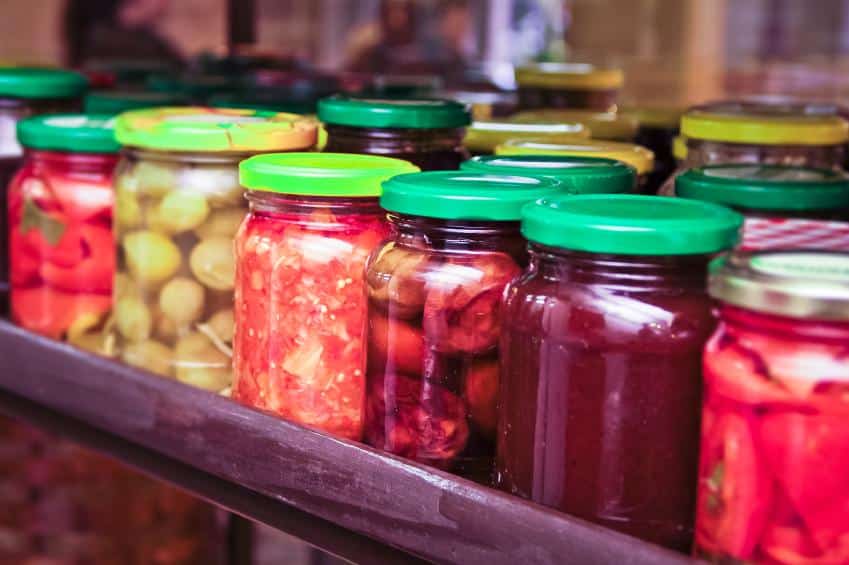
Are you happy with your survival pantry? Do you feel you’ve got a pretty good store of food and supplies should a disaster come about? You’ve got a good stock of sugar and salt, cans of vegetables and bags of rice and dried beans. But are you sure you have enough to get you through an emergency situation that might last from a few days to several weeks?
1. Water: We tend to underestimate how much water we actually use in a given day. And this consideration doesn’t even include the water used in washing dishes, personal hygiene, toilet usage, etc.
The minimum daily requirement for water per person is two quarts per day. In a hot environment or if you have ill people, nursing mothers, or pregnant women in the household, their water requirements will be more. It’s recommended that you have one gallon of water per day per person for emergency situations.
Remember to save all the juices and water in the canned vegetables or fruits you have on hand to use in other applications or just to drink. Never throw away one drop of liquid. It’s too valuable.
2. Water purification supplies: A week has gone by and now your water stores are beginning to look a little skimpy. How do you overcome that? There are several sources of water in your home that you can take advantage of. If you were aware that a potential disaster was about to strike, you could prepare by filling the tubs in the house with water. You can also use the water out of the toilet tank (NOT the bowl), if you haven’t treated it with one of those drop in cleansers or something. There is also the water contained in the water heater in your house.
You can also acquire water from nearby streams, rivers, or other moving bodies of water. Water from ponds or natural springs is also an option. Ponds or lakes can provide you with water, but in any of these instances, you’ll need water purification abilities. If you don’t have a million dollar filter, then lay in a supply of unscented bleach or water purification tablets. If you use bleach, use at a rate of 16 drops (1/8 tsp) per gallon of water. Let it stand for 30 minutes. The water should have a slight bleach odor. If it doesn’t, treat it again and allow it to sit for 30 minutes. If there is no bleach odor after 30 minutes, discard the water and look for another source. Remember, always boil any water you obtain from a questionable source first, then treat it.
Ultra Efficient Water Filter Fits In Your Pocket!
3. Disposable plates: Preserving those stores of precious water is a must, and the last thing you want to spend your water stores on is washing dishes. You don’t know exactly how long the given emergency is going to last. Paper plates can be used and then burned or discarded with little environmental impact (after all, paper will decompose).
4. Grain mill: You have those stores of wheat berries, or bags and bags of rice or dried beans. But have you considered that you need a grain mill to grind them up? There are so many things you can do with a mill to make other pantry staples more versatile. For instance, even if you don’t have buckets of wheat berries, you can grind rice or beans for a makeshift flour to use for cooking. If you’re on a gluten-free diet, a grain mill is a wonderful tool to use to grind foods like rice, corn, or oats in place of storing expensive gluten-free flours.
5. Canned meats: Let’s face it… if the electricity is out, so is the freezer. You might be able to eat the contents of your freezer down in the first few days, but after that, you’re going to need an alternate source of protein. Stock up on cans of meat or learn to can your own meat. Canning is a wonderful skill that can save you money and allow you to build up your stores.
6. Bouillons: You can either buy processed bouillons from the grocery store, or you can learn to make your own. Dehydrated bone broth and soup bases are a wonderful addition to the survival pantry, and are a compact source of proteins, vitamins, and minerals.
7. Kitchen staples: These include salt, pepper, sugar, baking power, baking soda, vinegar, yeast, herbs and spices, powdered milk, etc. Most of these supplies can be used in cooking or alternative health remedies, giving them a dual-purpose use.
8. Coffees, Teas, Drink Mixes: I don’t know about you, but I can’t imagine my life without coffee or tea. I’d rather drink a bad cup of instant coffee than do without. If you’re as addicted to the stuff as I am, keep plenty of stores on hand!
9. Seeds for sprouting: There is more nutrition packed in a jar of sprouted seeds than in a mature plant. In addition, you don’t have to have a container of dirt or a garden tiller to plant them. A couple of Mason jars and a perforated lid to fit, and you’re good to go. You can use these seeds to provide fresh greens to your family during a time when nothing is available at the grocery stores.
10.Canned Vegetables and Fruits: Not only do you need the vegetables and fruits for a healthy assortment of foods and nutrition, you can use the juice from the vegetables and fruits to supplement your liquid needs. Remember: throw nothing away. Figure out a way to make use of every component of your stores.
11.Dehydrated vegetables and fruits: These take up less room in your pantry, but many will require water to rehydrate for use in various foods. It’s a trade off. You can successfully store things like jerky and dried fruits that you can eat right out of the panty with no cooking needed.
12.Cooking utensils: No electricity means no cooking (unless you’re on gas utilities, and even they can be compromised in an emergency situation). Consider a cooker such as the Crisis Cooker that can use any fuel available—gas, charcoal, or wood.
13.Hygiene items: These include soaps, toilet paper, toothpaste, deodorant, dry shampoos, talcum powder, etc. Anything and everything you use that is not just a convenience item, but that makes you feel human. You also need these to keep from spreading disease. It doesn’t matter if you can only manage one spit bath a day… cleanliness in a disaster is a must. Health concerns and issues are magnified in a disaster situation.
This list is by no means exhaustive, but it will help you consider those items that you don’t normally think about. You need to consider all the things that you eat or do in a given day, make a list of what items are required to successfully complete those tasks, and then set about stocking up on the things you need to have on hand to survive through any emergency life may throw your way.