 Print
Print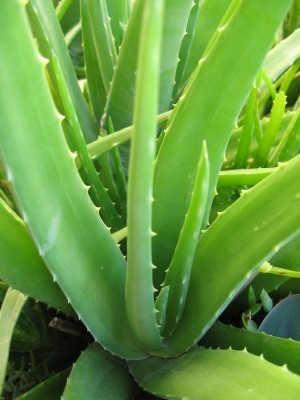
 Aloe vera (Aloe barbendensis) has been used for more than 6,000 years to treat a variety of ailments, from burns to indigestion. In fact, this humble plant was so highly regarded by the Greeks that it fueled Alexander the Great’s desire to conquer the island Socotra, where the plant was cultivated.
Native Americans knew of aloe’s healing value, as well, and called it “the wand of heaven.” Ancient Egyptians referred to the plant as the “plant of immortality” and sent it as gifts with deceased loved ones on their journey through the underworld.
Modern researchers have confirmed ancient understanding about aloe’s healing powers. Aloe vera has been found to contain at least six antibacterial compounds, in addition to antifungal and anti-inflammatory compounds. In one study, burns treated with aloe vera healed up to three days faster, while cuts healed up to nine days faster.
Although aloe can occasionally cause allergic reactions or rashes, in most cases, it has a soothing, emollient effect on the skin. In addition to burns and cuts, it is used to treat eczema, diaper rash, and other skin conditions.
Aloe vera juice has been found to lower blood sugar, making it a potentially potent treatment for diabetes. It can interact with diabetes medications, though, so check with your doctor before drinking aloe vera juice. The juice has long been used as a laxative and can also soothe an upset stomach. Because it can cause stomach cramps, it should not be used by pregnant women. Its laxative effect makes it inappropriate for babies or small children.
Growing Aloe Vera
Topical aloe vera is widely available as a gel or in lotions and creams. However, if you’d like to enjoy the benefits of this remarkable plant, the simplest way is to grow your own aloe vera. By using the gel from an aloe vera plant, you know you’re getting the freshest, most potent product without any potentially irritating additives.
The hidden secrets of making herbal medicines…right at your fingertips!
Aloe vera, a succulent semi-tropical plant, is native to Africa. In the U.S., it is hardy only in USDA zones 10 and 11. If you live in the southern United States, you can grow aloe vera outdoors year-round. In more northern climes, grow aloe vera as a houseplant or move it indoors before the first frost.
Buy aloe vera plants from a reputable nursery. The plants should have firm, green leaves with no sign of yellowing or wilting. The roots should look white and healthy. Roots that are brown, tightly wound in the pot, or have a musty odor might be diseased.
When you bring the aloe vera plant home, isolate it from other plants for up to two weeks to make sure it doesn’t have any disease or insect problems.
When growing aloe vera, think about its natural environment. Aloe vera is found in hot, desert climates – in sandy, gritty soil. It easily rots in heavy, fertile soils. You can purchase potting mix that is specially designed for cacti and other succulents, or you can amend garden soil with sand and even small gravel to improve drainage. For potted plants, add some sand or gravel to a light potting soil.
In warm climates, plant aloe vera in full sun to light shade. In northern climates, it does best with full sun. Indoors, it needs a bright, sunny window and plenty of warmth. Aloe vera, with its thick, succulent leaves, is extremely drought tolerant. Water it once every two weeks or so and allow it to dry out completely. Resist the urge to baby it; too much water is the main reason aloe vera plants die.
Aloe vera plants don’t need a lot of fertilizing, and in fact, too much fertilizer promotes soft growth, disease, and insect pests. Fertilize aloe vera once in the spring with a 10-40-10 formula.
Pests and Diseases
Besides root rots caused by poorly draining soil or too much water, aloe vera plants are susceptible to a few other problems. Frost causes blackened, dead leaves, while sunburn occurs when plants are quickly moved from partial shade to full sun. Move plants slowly from a sheltered place to sunny locations. Prune out any sunburned areas, evidenced by white, brown, or gray leaves.
Aloe aphids are tiny insects that suck the sap from the plants, causing slow growth and a black sooty growth. Mites and white flies can also attack aloe vera plants. These pests suck plant sap, but they are most damaging because they spread potentially fatal diseases. Douse plants infected with these pests with a stream of water or treat them with insecticidal oil or soap.
Incidentally, aloe vera is toxic to dogs and cats. Grow the plant in an out-of-reach location.
Using Aloe Vera Gel
You probably won’t be able to harvest enough gel for internal use, but one plant will likely provide all the gel you need for treating burns and skin irritations. To use the sap, break or cut off a leaf. Carefully slit open the leaf. Scoop out the gel inside and spread it over the affected area. You’ll likely feel almost instant relief.
Remember, always check with your doctor or other health professional before beginning any sort of treatment.