 Print
Print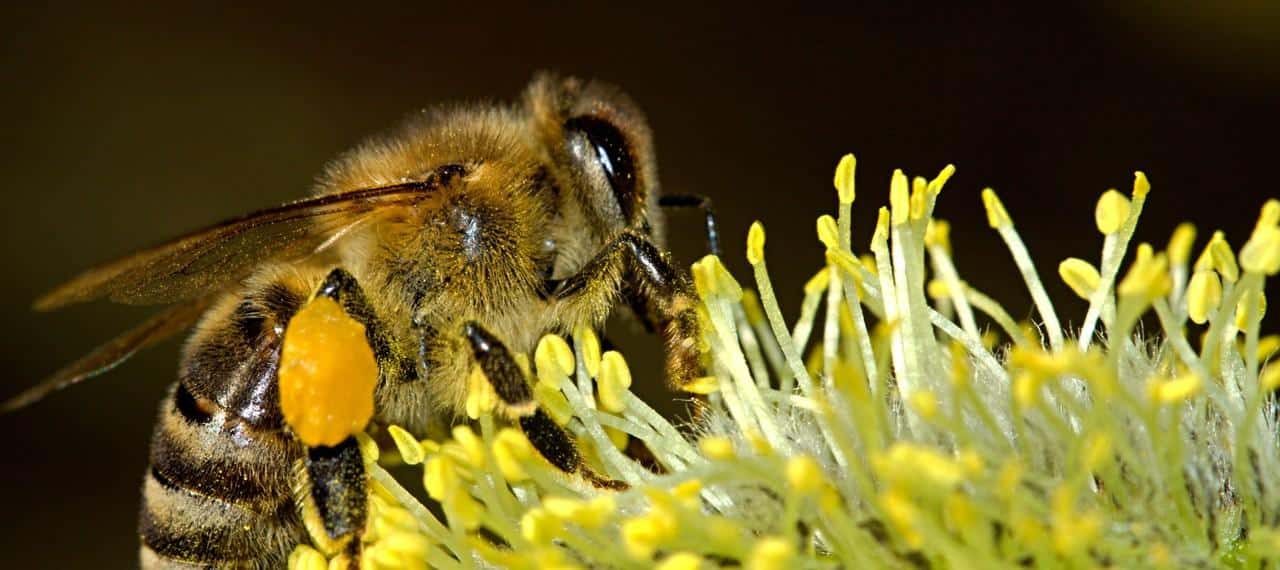
The European Union (EU) has passed a two-year “precautionary” ban on bee-killing chemical pesticides.
The neonicotinoids ban is slated to begin on Dec. 1. The decision by the European Commission – the executive body of the EU — mirrors similar policies enacted by individual countries such as Italy, France, Slovenia, Switzerland and the Ukraine.
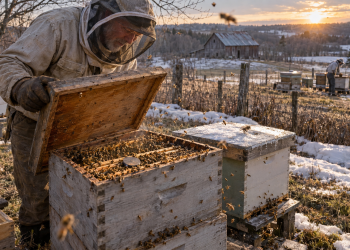
Upon conclusion of the two years, scientists will help determine whether to make the ban permanent. Been populations have plunged worldwide, with 30 percent declines seen in the United States and Europe, as previously reported by Off The Grid News. If the honeybees continue to disappear at such an alarming rate, the global food supply may not be able to meet the demand.
The ban is “another milestone towards ensuring a healthier future for our honeybees, as bees have two important roles to play: Not only that of producing honey but primarily to be a pollinator,” said Tonio Borg, the EU’s Commissioner for Health and Consumer Policy. “About 80 percent of all pollination is due to the activity of bees – this is natural and free of costs.”
The two neonicotinoids routinely considered the most harmful are Cruiser and Actara – both are made by Syngenta AG, a global biotech company. Syngenta employs almost 30,000 people in more than 90 countries. The biotech manufacturer is ranked third in GMO seed and chemical pesticide production worldwide. Syngenta, together with biotech company Monsanto, DuPont, Dow, and Bayer, control almost 100 percent of the GMO seed, plant, and pesticide market around the world.
The Ultimate Guide to Keeping Stronger Colonies and Healthier, More Productive Bees
In 2012, Germany filed criminal charges against Syngenta for reportedly concealing facts that GMO corn killed cattle. Syngenta also settled a $105 million United States class action lawsuit related to the contamination of the drinking supply in more than 2,000 different water districts. The districts provided water to about 52 million Americans. The water districts specified in the class action lawsuit allegedly contained the “gender bending” chemical herbicide Atrazine.
Meanwhile, the American Bird Conservancy has called for a ban on the use of neonicotinoids as seed treatments “and for the suspension of all applications pending an independent review of the products’ effects on birds, terrestrial, and aquatic invertebrates, and other wildlife.”
“It is clear that these chemicals have the potential to affect entire food chains,” a conservancy report said. “The environmental persistence of the neonicotinoids, their propensity for runoff, and for groundwater infiltration, and their cumulative and largely irreversible mode of action in invertebrates raise significant environmental concerns.”
American Bird Conservancy Pesticides Program Manager and report co-author Cindy Palmer also stated that just one kernel of corn coated with a neonicotinoid can kill a bird. Palmer maintains that a grain of wheat or canola treated with a neonicotinoid called “imidacloprid” can fatally poison a bird.
Shortly after the American Bird Conservancy report, American environmentalists and beekeepers filed a lawsuit against the Environmental Protection Agency.
“We are taking the EPA to court for its failure to protect bees from pesticides,” said Paul Towers, spokesperson for the Pesticide Action Network. Despite our best efforts to warn the agency about the problems posed by neonicotinoids, the EPA continued to ignore clear warning signs of an agricultural system in trouble.”
The EPA is reviewing the impact of pesticides on honeybees but is not expected to complete its study until 2018. U.S. Sen. Kirsten Gillibrand (D.-N.Y.) sent a letter to the EPA, urging that the review be expedited.
“Protecting honey bees and other pollinators is vital to American agriculture,” Gillibrand said. “In fact, one in three bites of food is reliant on honey bee pollination, and threats to pollinators concern the entire food system and could drive up the cost of food in this country. Highlighting the economic importance of pollinators, a recent study by Cornell University found that insect pollination results in a value of more than $15 billion annually. Our agriculture industry is vital to the upstate New York’s economy. Our farmers need honey bees to pollinate our crops and produce. However, certain pesticides may be unintentionally killing off the honey bee population. By expediting this review, we can help save our honey bee population and grow our agricultural economies.”