 Print
Print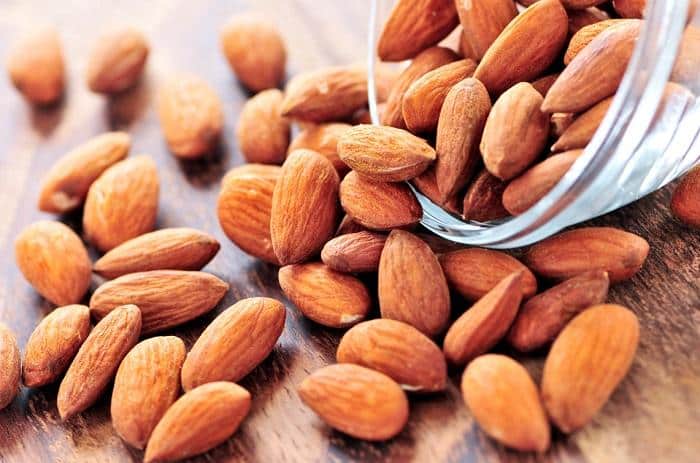
Your food storage should have a good balance of protein, carbs and fat – the essential macronutrients. Nuts and seeds are a good source of protein and fat as well as of vitamins and minerals. Adding these to what you have can make a big difference nutrition-wise.
Like all foods, there are a few things to keep in mind when storing nuts and seeds. When buying nuts for storage, make sure you get the roasted and salted ones. And make sure they’re DRY roasted and salted. They keep much better.
The raw kinds may contain insect eggs. If they’re present, they will hatch and infect whatever surrounds them. Raw nuts can also grow fungus. But if you do buy raw nuts, you don’t have to return them. They can be baked, or frozen in a deep freezer.
Below is a list of the best nuts and seeds for your food storage stash:
1. Pistachios
These have the most nutrients. They are a great source of vitamins B6 and E, copper, manganese, potassium, phosphorus, magnesium, carotenes and oleic acid (mono-unsaturated fatty acids). The antioxidants they contain is what gives them the green and purple-red colors.
When you buy pistachios, look for off-white color nuts that feel heavy. They should not have any cracks (natural split is OK), mold, spots or a rancid smell.
Shelled (without the shell) pistachios should be kept in an airtight container and in the fridge.
2. Almonds
These are loaded with essential nutrients such as vitamins B and E, copper, magnesium, phosphorus, folic acid and fiber. The list of vitamins and minerals goes on and on. What’s great about them is that they help stabilize blood sugar levels. If you’re diabetic, you’ll want to store these for an easy snack.
When buying almonds, make sure they have a bright brown color. They should also not have any cracks/cuts or mold.
Discover The World’s Healthiest Storable Survival Food!
Unshelled (with the shell intact) almonds can be kept in a cool dry place for years. Shelled almonds should be kept in an airtight container in the fridge.
The only downside is that you may want to double check you’re not allergic to almonds even if you’re not allergic to nuts in general.
3. Peanuts
These are a good source of vitamin B complex, riboflavin, niacin, thiamin, pantothenic acid, vitamin B6 and folate. They also contain copper, manganese, potassium, calcium, iron, magnesium, zinc and selenium.
When buying peanuts, get the unshelled (outer shell intact) ones. They should also be an off-white color. They can be kept in a cool dry place for months. Shelled (without shell) peanuts should be kept in an airtight container in the fridge.
4. Walnuts
An excellent source of omega-3, walnuts are also rich in vitamin E, B-complex, copper, manganese and iron.
If you buy shelled walnuts, they should not have any cracks, piercings or be stained. These could be signs that they are starting to develop mold. And that would make them unsafe to eat.
Unshelled walnuts are extremely perishable, so they should be stored in an airtight container. If you keep them in the fridge, they will last 6 months. If you keep them in a freezer, they can last up to a year.
5. Cashews
These have the vitamins B-5, B-6 and riboflavin. The minerals in cashews are copper, potassium, phosphorus, manganese and zinc. Cashews have a lower fat content than most nuts. They also have monounsaturated fatty acid.
You want to store cashews in an airtight container and keep them in the fridge so they don’t go rancid.
6. Pecans
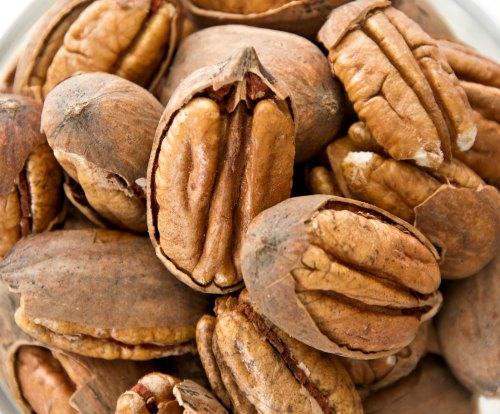
Here’s a little trivia on pecans. Are they nuts or fruits?
The answer is that they’re not a true nut. They’re technically fruits!
Pecans are rich in monounsaturated fatty acids such as oleic acid. They’re also an excellent source of phenolic antioxidants. The vitamins in pecans include vitamin E, beta-carotene, lutein, and B-complex (riboflavin, niacin, thiamin, pantothenic acid, B-6 and folate). The minerals include potassium, calcium, iron, magnesium, zinc and selenium.
When buying pecans, get the unshelled instead of processed. They should have an off-white color. They should also not have any cracks, molds or spots.
Unshelled pecans can be kept in a cool dry place for months. Shelled pecans need to be kept in an airtight container in the fridge.
7. Sesame Seeds
These seeds are a valuable source of protein. They are also rich in monounsaturated fatty acid such as oleic acid.
Prepare now for surging food costs and empty grocery store shelves…
Some vitamins they have are B-complex (niacin, folic acid, thiamin, B-6 and riboflavin). The minerals they contain are calcium, iron, manganese, zinc, magnesium, selenium and copper.
Sesame seeds come in colors of black, brown, yellow or white. They should be kept in airtight containers in a cool dry place. They will generally stay fresh for many months. If you get the white seeds, make sure to keep them in the fridge.
8. Pumpkin Seeds
A good source of quality protein, pumpkin seeds also contain vitamins E and B-complex. They also have essential minerals such as copper, potassium, calcium, iron, magnesium, zinc and selenium.
When buying pumpkin seeds, be aware that the hulled and roasted seeds are sometimes referred to as “pepita.” They should be a cream-white or light yellow color. Avoid seeds that look thin and/or shriveled. They should also not have cracks, mold or spots.
Whole pumpkin seeds stored in a cool, dry place last a few months. But be careful with hulled pumpkin kernels. They quickly deteriorate when exposed to a warm, humid environment. So keep them in an airtight container in the fridge.
9. Sunflower Seeds
These seeds are a good source of protein. They’re also rich in polyunsaturated fatty acids such as linoleic acid and monounsaturated fatty acids such as oleic acid.
They contain vitamins E, B-complex and folic acid. They also contain the minerals calcium, iron, zinc, selenium, magnesium and copper.
When buying sunflower seeds, whole or hulled are OK. Don’t get them if they’re shriveled or old stock. If you get whole seeds, they can be kept at room temperature in a jar. If you get kernels, they should be kept in an airtight container in the fridge.
These nuts and seeds are a good starting point if you’re thinking about storing them with your other foods. And remember to rotate them so they don’t go rancid.
Do you have any tips for storing seeds or nuts? Share them in the section below:
Sign up for Off The Grid News’ weekly email and stay informed about the issues important to you