Print
Three Simple Checks To Dodge Wet Wood… Short Loads… And Wasted Money
How To Spot A Bad Firewood Deal Before It Lands In Your Driveway
There’s a fine picture of winter: boots drying by the stove, a kettle whispering on top, and the wind rattling a window it can’t get through. Then there’s the other picture—wood hissing in the firebox while you sit there wearing the sweater you thought you’d taken off.
Here’s the catch: the difference often showed up on a delivery truck weeks earlier. You bought “seasoned hardwood,” but what landed in the driveway was a smaller, wetter pile than you bargained for.
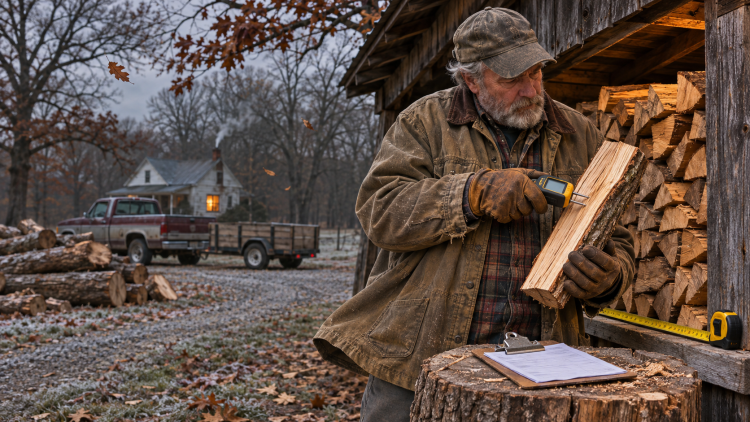
Before you shell out another heating dollar, put three simple tools to work: a tape measure, a moisture meter, and a written agreement. They won’t split the wood for you, but they can keep a bad purchase from following you through January.
Dodge The Cold Snap Scramble And Buy Your Wood Early
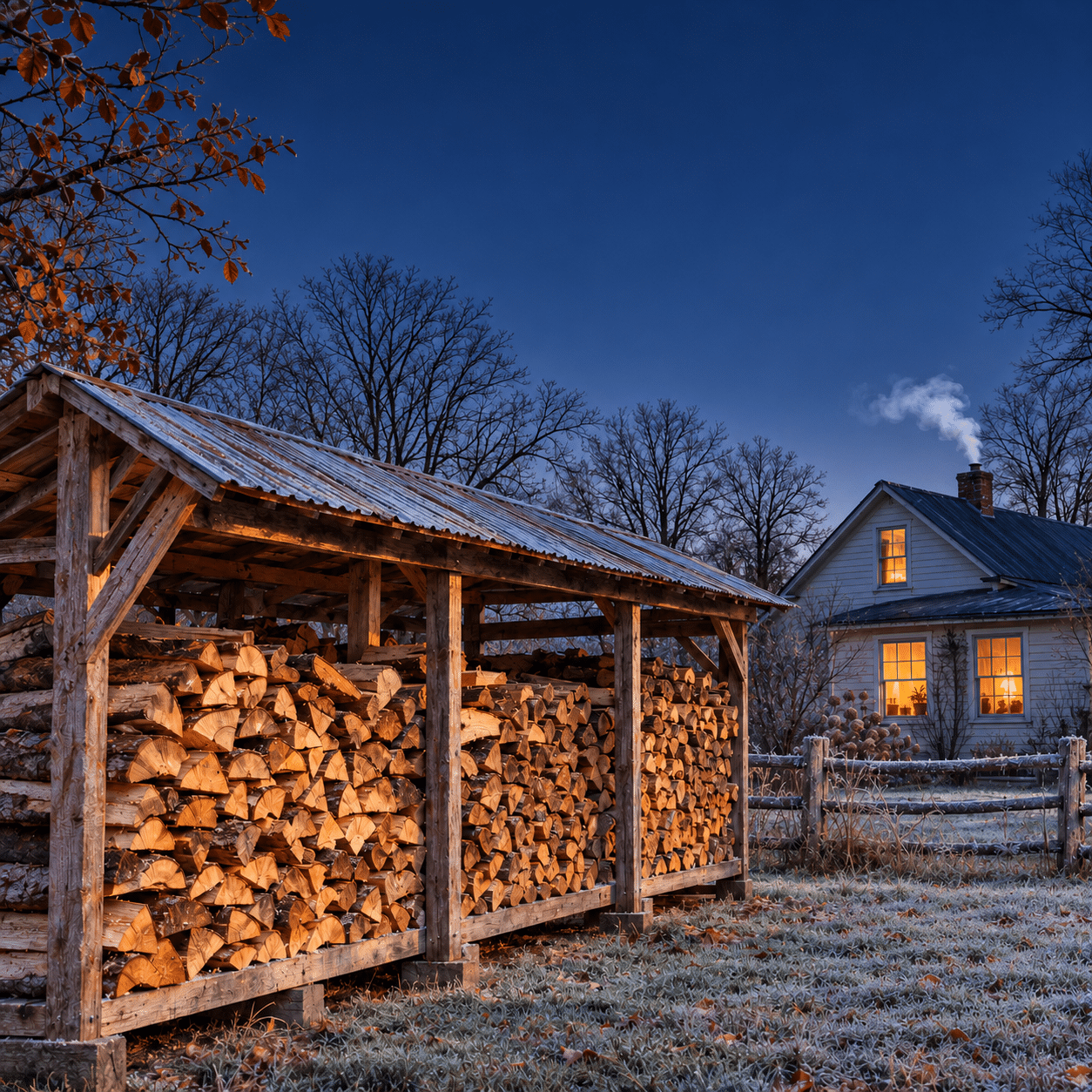
First, give yourself time. When the first hard frost turns the garden black, everybody and his brother suddenly remembers the woodshed—and you have fewer chances to compare dealers, inspect loads, or turn down wood that isn’t ready.
Spring and early summer give you a longer drying window and more room to plan. Late summer or early fall can still work if you’re buying wood that’s already dry, but don’t assume a few weeks in your yard will finish a green load.
Here’s an overlooked detail: ask when the wood was cut, split, and stacked. A log lying behind the barn isn’t seasoning like split pieces with air moving between them; “cut last year” doesn’t tell you the whole story.
Depending on the species, climate, and stack, hardwood can need a year or longer, with oak often taking extra patience. University of Maryland Extension’s guide to wood moisture and drying explains why the calendar alone can’t certify a load.
If you’re already shopping in cold weather, buy verified dry wood for immediate use. Treat green wood as next season’s supply, and keep the two stacks separate so nobody grabs tomorrow’s heat for tonight’s fire.
Pin Down The Real Price Before You Shell Out A Dime
Now, let’s talk cold cash. Firewood prices depend on where you live, what species you’re buying, how dry it is, and how far the seller has to haul it. A price quoted across the country won’t necessarily tell you what a fair load costs down your road.
For one dated reference, Maine’s September 21, 2026, heating-fuel survey listed seasoned cordwood at $355 per cord, based on a minimum two-cord purchase with local delivery included. That’s a regional snapshot, not a nationwide price tag or proof that every dealer’s price is climbing.
To sort out the real deals, call several nearby sellers and ask for the total delivered cost of the same quantity and quality. Find out whether stacking costs extra, what lengths you’ll receive, and whether the price changes for a smaller order or a longer drive.
While you’re at it, measure your stove’s usable firebox length. A bargain pile of pieces that won’t fit is an invitation to spend Saturday fixing somebody else’s bargain.
Demand A Measured Cord Instead Of A Truckload Of Excuses
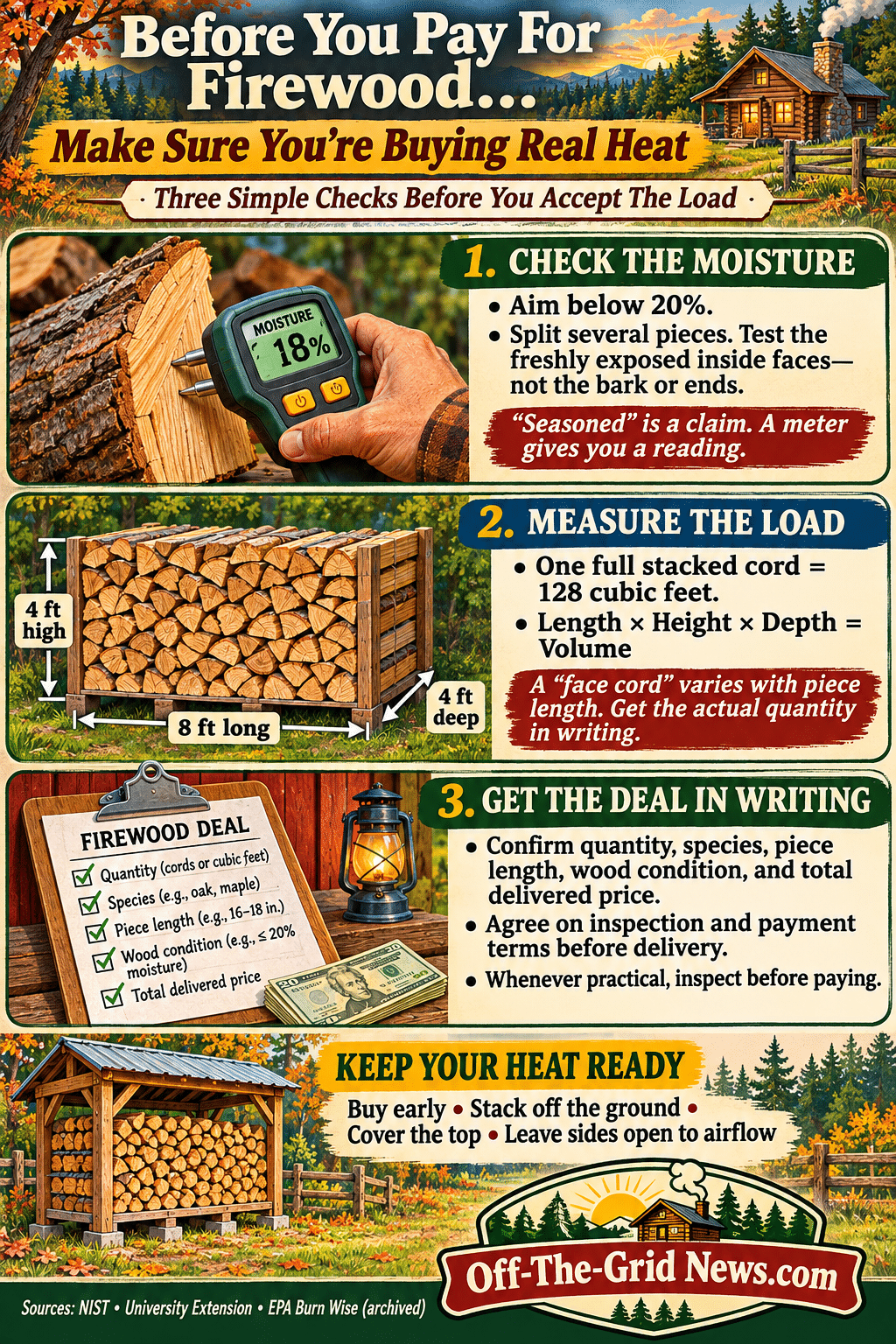
First, clear away the fog and settle exactly what you’re buying. A standard stacked cord occupies 128 cubic feet, including the normal spaces between neatly stacked pieces; the familiar arrangement is 4 feet high, 4 feet deep, and 8 feet long.
Other stack shapes work, too. Multiply length by height by depth, all in feet, to find the volume. NIST’s firewood buying guide explains the measurement and recommends documenting the amount and kind purchased.
However, a “face cord” or “rick” doesn’t promise a fixed amount. A single row 4 feet high and 8 feet long contains one-third of a standard cord only when the pieces are 16 inches long. Change the piece length and you change the quantity.
Likewise, don’t get lured by “truckload”—it tells you about the truck, not how much wood you’re getting. Ask for a stated volume or fraction of a cord, and get it on the order and receipt along with species, piece length, condition, delivery charges, and the seller’s contact information.
Because local selling rules can differ, check your state’s weights and measures office if a seller uses a loose-load measurement. Either way, agree beforehand on how you’ll verify the quantity; a heap in the driveway isn’t the same measurement as a compact stack.
Expose Hidden Moisture Before It Devours Your Winter Heat
Next comes a crucial test for tonight’s fire. For ordinary firewood, aim below 20 percent moisture, following your meter’s instructions. The word “seasoned” on an advertisement doesn’t make wet wood dry. A confident sales pitch can leave you with false confidence and a stubborn, sputtering fire.
To check it, split several representative pieces from different parts of the load and test their freshly exposed inside faces. Don’t rely on the bark, the weathered ends, or one convenient little piece the seller hands you; the middle is where hidden moisture can linger.
University of New Hampshire Extension’s seasoned-firewood guide explains the trouble with damp fuel: cooler burning, more smoke, and creosote buildup. Some of the fire’s energy goes toward evaporating water instead of heating your home.
Meanwhile, loose bark, end cracks, lighter weight, and a sharp clunk can offer clues. They’re useful observations, but they aren’t a substitute for a reading from the wood’s interior. Kiln-dried wood may offer a quicker route to usable fuel, usually at a higher price. Still, check it: the label doesn’t tell you what happened during transport or storage.
Don’t gamble tonight’s heat on somebody else’s drying project.
Keep Your Cash Until The Seller Delivers The Goods
Before delivery day, ask whether you can inspect the wood and take moisture readings before accepting it. Whenever practical, arrange payment after delivery and inspection, with clear terms for rejecting a wet load or correcting a shortage.
If stacking and measuring the whole order takes longer than the driver can wait, put that understanding in writing. Agree on a reasonable inspection period and how a shortage will be handled; don’t discover the seller’s policy after you’ve burned half the evidence.
Meanwhile, tap into local word of mouth and check the dealer’s track record. A neighbor who has bought good loads for several winters can tell you more than a polished advertisement, and a seller with clear answers and repeat customers deserves consideration alongside the lowest price.
Here’s another trap to avoid: pressure to pay the entire bill before an unfamiliar seller arrives. A deposit isn’t automatically dishonest, but rushed payment demands, vague quantities, missing contact information, and refusal to allow inspection are good reasons to keep shopping.
If the delivery falls short, photograph the measured stack and contact the seller promptly before using it. Keep the order, receipt, messages, and measurements together so you can explain the problem without relying on a cold-weather argument in the driveway.
Protect Every Penny With A Dry And Airy Woodpile
Once you’ve bought good wood, don’t sabotage the purchase by parking it in the mud. Use sound pallets or rails to lift the stack, choose a well-drained spot, and keep the pile stable enough that it won’t topple onto a child, pet, or passing pair of boots.
Then cover the top while leaving the sides open to moving air. Wrapping the entire pile in a tarp can trap moisture; you’re building a woodshed, not pickling the wood. Cornell Cooperative Extension’s storage advice covers airflow, moisture, and keeping wood away from the house.
Bring in only what you’ll use soon, and keep it clear of the stove according to the appliance’s required clearances. Also, favor local wood: Minnesota’s agriculture department explains how transported firewood can carry damaging pests. Check movement restrictions before hauling a bargain home from another area.
Finally, remember that dry fuel doesn’t replace a maintained heating system. Follow your stove’s instructions, arrange appropriate chimney inspection and cleaning, and keep working smoke and carbon monoxide alarms in the home.
Check This Overlooked Detail Before The Lights Go Out
Pellets deserve a quick word, too. They can be convenient, but they need a compatible appliance and dry storage, so compare the delivered fuel price and the equipment you actually own before switching.
More to the point, for blackout planning, check the power requirements as carefully as the fuel supply. Many pellet stoves need electricity for feed mechanisms and fans; some wood-heating systems also depend on powered components. A dry woodpile is valuable, but it can’t make every heating setup operate without electricity.
Before an outage puts the setup to the test, figure out what needs power and how you’ll supply it. Keep the appliance instructions handy so you aren’t hunting for answers by flashlight while the house cools down.
Finally, if you consult older online guides, note that EPA’s Burn Wise website is now a historical resource. EPA says the program ran from 2009 to 2025 and that it stopped updating the program’s content on October 30, 2025; its archived advice shouldn’t be mistaken for a current program announcement.
Turn A Promising Deal Into Heat You Can Count On
The payoff is simple: a dependable wood supply starts well before you strike a match. Shop early, compare complete prices, spell out the quantity, check the moisture, and settle inspection and payment terms before delivery.
Best of all, once you stack it right, you can see exactly what your money bought. Those plain chores give you something better than a promising advertisement: a measured supply of usable fuel waiting out back.
When the north wind comes rattling the gate, that’s a comforting thing to have already settled.