 Print
Print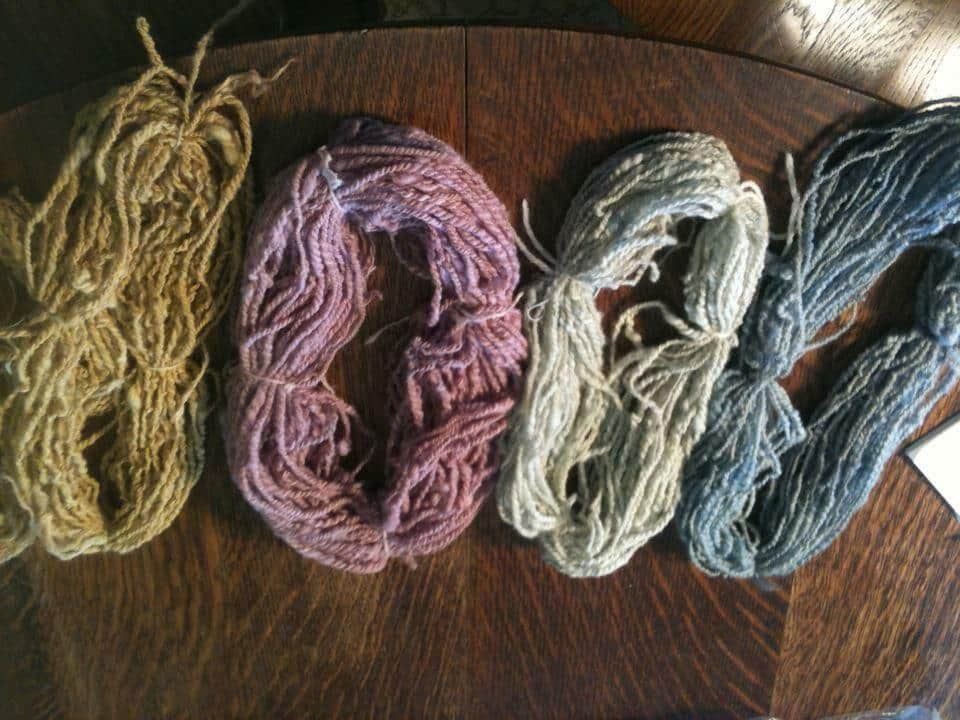
 Dying your own fabrics and yarns can be fun, but to do it on your own, you’ll need a dyer’s garden. Choose an area specifically for this special garden where the plants will have the sunlight needed. When planting your dyer’s garden, be sure the location of the herbs allows you to take them without injuring others nearby. Prepare it as you would for your kitchen herbs.
Creating dyes from herbs usually requires a mordant – an ingredient that binds the dye to the material. Different mordants will produce different colors from the same herbs, giving you a broader range of colors depending on the mordant chosen. Common mordants are alum, chrome, iron, and tin.
Growing Conditions
Agrimony:
- Plant Hardiness Zone: 7
- pH: Tolerant to a wide range
- Soil: Average, dry
- Light shade
- Mordants: Brassy Yellow – Alum; Gold – Chrome
- Parts used (fresh): Leaves and stems
Barberry:
- Plant Hardiness Zone: 4
- Soil: Moist, fertile, well-drained
- Full sun – partial shade
- Mordants: Yellow – Tin or none; Dark Green – Iron; Tan – Alum
- Parts used (fresh or dry): Yellow – Inner bark, bark, roots; Dark Green – All; Tan – All,
Betony:
- Plant Hardiness Zone: 4
- Soil: Average, well-drained, moderately moist
- Full sun – partial shade
- Mordants: Chartreuse – Alum
- Parts used (fresh): All
Bloodroot:
- Plant Hardiness Zone: 3
- pH: Acid soil
- Soil: Rich, moist, humusy
- Full sun – partial shade
- Mordants: Orange – None; Rust – Alum; Reddish pink – Tin
- Parts used (fresh): Roots
Broom:
- pH: more acid than alkaline
- Soil: Poor, ordinary, well-drained
- Full sun
- Mordants: Green-yellow – Alum; Bright Yellow – Alum; Deep Yellow – Chrome
- Parts used (fresh): Green-Yellow – Tops; Bright / Deep Yellow – Flowers
Chamomile:
- Plant Hardiness Zone: 3-4
- pH: 7.0
- Soil: Light, dry
- Mordants: Yellow – Chrome; Bright Yellow – Alum
- Parts used (fresh): Flowers
Comfrey:
- Plant Hardiness Zone: 3
- pH: 7.1
- Soil: Moist, rich
- Full sun – partial shade
- Mordants: Brown – Iron
- Parts used: Leaves
Dandelion:
- Plant Hardiness Zone: Temperate
- Soil: Any
- Full sun to partial shade
- Mordants: Soft Yellow – Alum; Yellow – Tin; Magenta – None
- Parts used: Soft Yellow / Yellow – Flowers; Magenta – All
Dock:
- pH: acidic
- Soil: Any
- Full sun
- Mordants: Deep Yellow – Alum; Red – Chrome
- Parts used: Deep Yellow – Roots; Red – Young leaves
Elderberry:
- Soil: Moist, fertile
- Full sun – partial shade
- Mordants: Violet – Alum; Blue-gray – Tin; Blue – Chrome; Soft Yellow – Alum; Deep Yellow – Chrome; Gray – Iron
- Parts used: Violet/ Blue-gray / Blue – Berries; Soft / Deep Yellow – Leaves; Gray – Bark
Fennel:
- Plant Hardiness Zone: 6
- Soil pH: 6.5
- Soil: Average, well-drained
- Full sun
- Mordants: Mustard Yellow – Alum; Golden Brown – Chrome; Brown – Iron
- Parts used (fresh): Mustard Yellow / Golden Brown – Flowers and leaves; Brown – Tops
Foxglove:
- Plant Hardiness Zone: 4-8
- Soil pH: acidic
- Soil: Fertile, moist, humusy
- Full sun – partial shade
- Mordants: Chartreuse – Alum
- Parts used (fresh): Flowers
Goldenrod:
- Plant Hardiness Zone: 4
- Soil: Average – poor, well-drained
- Full sun
- Mordants: Yellow-green – Iron; Yellow – Alum; Gold – Chrome; Bright Yellow – Tin
- Parts used (fresh): Yellow-green – All; Yellow / Gold / Bright Yellow – Flowers
Hops:
- Plant Hardiness Zone: 3 (hardy to –35° F)
- Soil pH: 6.0-7.0
- Soil: Deep, well-drained, humusy
- Full sun
Lady’s Bedstraw:
- Plant Hardiness: Hardy
- Soil: Deep, light, rich, well-drained
- Full sun – light shade
- Mordants: Red – Alum; Purplish Red – Chrome; Plum – Iron; Dull Yellow – Alum
- Parts used: Red / Purplish Red / Plum – Roots – Fresh or Dry; Dull Yellow – Tops – fresh
Lavender Cotton:
- Plant Hardiness Zone: 6-8
- Soil pH: alkaline to neutral
- Soil: Poor, light, well-drained
- Full sun
- Mordants: Gold – Chrome; Yellow – Alum
- Parts used (fresh): Leaves and flowers
Madder:
- Plant Hardiness Zone: 7
- Soil pH: neutral
- Soil: Deep, well-drained
- Full sun
- Mordants: Orange – Tin; Lacquer Red – Alum; Garnet Red – Chrome; Brown – Iron
- Parts used (fresh): Roots
Onion:
- Soil pH: 6.0
- Soil: Rich, well-drained, moist
- Full sun
- Mordants: Tan-Brown – Tin; Gold – Chrome; Reddish Orange – Alum; Dark Tan – Chrome; Burnt Orange – Alum; Brass – Chrome; Yellow – Alum; Bright Orange – Tin; Brown – Iron
- Parts used (fresh or dry): Tan-Brown / Gold / Reddish Orange / Dark Tan – Red Skins; Burnt Orange / Brass / Yellow / Bright Orange / Brown – Yellow Skins
Oregon Grape:
- Plant Hardiness Zone: 6
- Soil: Well-drained, humusy
- Shade
- Mordants: Purplish Blue, Buff-brown, and Khaki Yellow – Alum
- Parts used (fresh): Purplish Blue – Fruit; Buff-brown and Tan – Roots; Khaki Yellow – All
Plantain:
- Plant Hardiness: Very Hardy
- Soil: Average, well-drained
- Full sun – partial shade
- Mordants: Dull Gold – Alum; Camel – Chrome
- Parts used (fresh): All
Pokeweed:
- Plant Hardiness: Very Hardy
- Soil: Moist, humusy
- Full sun – partial shade
- Mordants: Red / Pink / Brown – Alum; Red – Tin; Rust – Chrome
- Parts used: Fresh fruit (all but brown, which is dry) and Rust (fresh or dry)
Rosemary:
- Plant Hardiness Zone: 8-10
- pH: 6.5-7.0
- Soil: Well-drained
- Full sun
- Mordants: Alum
- Parts used (fresh): Leaves and flowers
Safflower:
- Soil: Average – poor, dry
- Full sun
- Mordants: Yellow – Alum; Brass – Iron; Rust – Tin
- Parts used (fresh or dry): Flowers
Sage:
- Plant Hardiness Zone: 4-8
- pH: 6.4
- Soil: Well-drained, moderately rich
- Full sun
- Mordants: Yellow-buff – Alum; Deep Yellow – Chrome; Green-gray – Iron
- Parts used (fresh): Tops
St. John’s Wort:
- Plant Hardiness Zone: 5
- pH: Acidic or alkaline
- Soil: Average – poor
- Full sun – partial shade
- Mordants: Medium Yellow – Alum; Bright Yellow – Chrome; Orange-red – Tin; Brown-red – Alum
- Parts used (fresh): Medium / Bright Yellow – Tops; Orange-red – Flowers; Brown-red – Stems
Sweet Woodruff:
- Plant Hardiness Zone: 3
- pH: 5.0
- Soil: Moist, well-drained
- Shade
- Mordants: Alum
- Parts used (fresh): Tan – Stems and leaves; Red – Roots
Tansy:
- Plant Hardiness Zone: 4
- pH: 6.3
- Soil: Average
- Full sun – partial shade
- Mordants: Yellowish-green and Greenish-yellow – Alum; Dark Green – Iron
- Parts used (fresh): Yellowish-green – Young leaves; Greenish-yellow – Flowers; Dark Green – Tops
Uva-ursi:
- Plant Hardiness Zone: 2
- Soil: Peaty, moist
- Full sun – partial shade
- Mordants: Camel – None; Green – Alum and Iron
- Parts used (fresh): Camel – Leaves; Green – All
Woad:
- Plant Hardiness Zone: 5
- Soil: Rich, well-drained loam
- Full sun
- Mordants: Blue – None; Pink – Alum
- Parts used (fresh): Young leaves
Yarrow:
- Plant Hardiness Zone: 2
- pH: 6.1
- Soil: Moderately rich, well-drained
- Full sun
- Mordants: Yellow – Alum; Olive Green – Iron
- Parts used (fresh): Yellow – Flowers; Olive Green – All
©2012 Off the Grid News