 Print
Print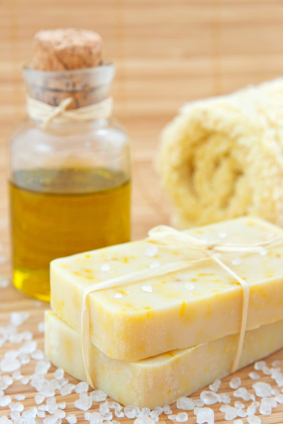
 If you enjoy homemade soap making, you’ll no doubt be interested in experimenting with your soap—from the oils to the molds to the colors and probably much more. Soaps will naturally turn out different colors based on different oils or additives, even the type of lye that is used. For example, whenever I’ve added honey to soap, the soap has turned a golden honey color. Other things, such as beet juice, will not affect the final color at all.
Soap Colorants
If you want to have a broader range and more control over the color of your soap, you can experiment with food coloring and natural pigments. There are also soap colorants available online (micas, liquid pigments, mineral pigments, and glitter, for example). Avoid using dyes and colorants that are not made for soap, cosmetics, or food, such as crayons, candle dyes, or paint. As with almost all soap additives, add your chosen colorant at trace (right before pouring the unsaponified soap into the mold).
If you’re striving towards making soap that is 100 percent natural, you might want to avoid liquid soap dyes as they contain FD&C dyes. These dyes are also found in food coloring, so be advised. Even though FD&C dyes have been legally deemed “safe,” you might set your bar for safety a tad higher than our friends at the Food & Drug Administration.
There are many color-true natural soap dyes found in other household items. Here are a few to get you started:
- Blue: indigo (may stain, use with caution), poppy seeds
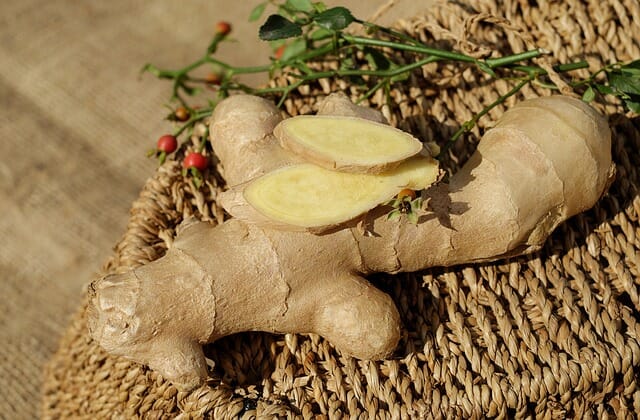
- Brown: rose petals, cloves, cilantro, cocoa, coffee grounds, ginger, cinnamon (use only for exfoliating bars, makes soap scratchy), comfrey root, rosehip seeds
- Gray: ground pumice
- Green: alfalfa, cucumber, fennel, spirulina, aloe vera, henna, dill, grass, sage, spinach, rosemary powder, seaweed
- Orange: carrot juice, pumpkin, safflower petals
- Pink: beet root, tomato, paprika (use only for exfoliating bars, makes soap scratchy), hibiscus, rose hips, red or white wine
- Purple: alkanet (steep it in oil before using in your soap), rattanjot, madder root
- Red: cochineal powder, Moroccan clay
- Tan: milk
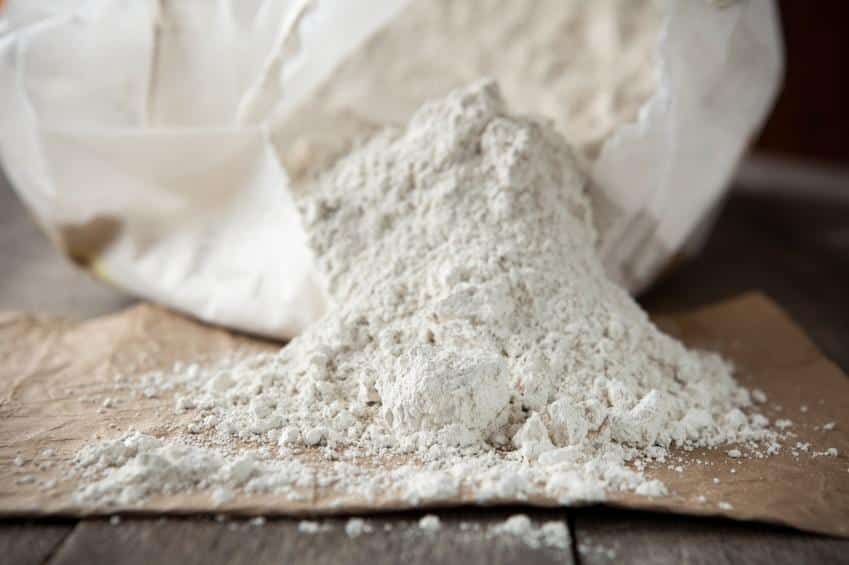
- White: kaolin clay
- Yellow: saffron, curry powder, annatto seed (steep it in oil before using in your soap), chamomile, marigolds, corn meal (use only for exfoliating bars, makes soap scratchy), dandelions, beta carotene, blackberry, orange peel, blueberry, turmeric (use only for exfoliating bars, makes soap scratchy), ground calendula petals
Testing Your Own Potential Soap Colorants
To test your own colorants, use these steps. First, dissolve a small amount of lye in water and add some of the potential colorant. Observe and take notes. If the color is retained after adding the lye, then try steeping the potential colorant in one of your soap-making oils. Again, observe and take notes. If your potential colorant remains true after both of these tests, you’ve got a good shot at it surviving the saponification process intact.
Buying Natural Soap Colorants
TKB Trading and Cranberry Lane offer commercially made but natural soap colorants. The dyes offered by TKB Trading are oil-based and include: blue from gardenia flowers, green from chlorophyll, red from beetles, and yellow from annatto seed. Cranberry Lane offers purple, blue, green, yellow, and brown. Their liquid colorants are made from combinations of minerals, plant material, and seeds.
Minerals as Soap Colorants
Mineral pigments are also naturally occurring and colorful. For example, rust is a natural occurrence when iron and water interact, and it creates a ruddy orange pigment you can use in your homemade soaps. Most of the mineral colorants available are artificially created in a lab, but technically they’re still minerals. Mineral colors are my favorite when there is nothing I have laying around the house that will do the trick (fruit juice, spices, plants, etc.).
This might just be the most comprehensive guide to back to basics living ever published…
Follow the directions on the package when you buy the mineral pigments. Typically, you just dissolve a small amount in some hot water then add that to the soap at trace. If you over-do the mineral colorants, it will leave stains in your bathtub and create bubbles the color of the mineral (blue soap=blue bubbles).
Combining Colors
If you are looking to combine colors, use this chart to create your blend. Remember the primary colors are red, blue, and yellow (meaning these are the only three colors you need to make all the other ones). Having black and white colorants on hand is helpful, however, as they are more difficult (or impossible, in white’s case) to create through mixing.
- Aqua: blue + green
- Coral: yellow + pink
- Dusty Rose: a few drops of black + red
- Green: blue + yellow
- Lime: green + yellow
- Tan: a few drops black + orange
- Moss Green: red + green
- Orange: yellow + red
- Pink: white + a few drops of red
- Purple: blue + red
- Teal Green: black + green
Color Designs
Not only can you make your homemade soap a solid color, but you can also experiment with designs. For example, a technique known as swirling adds a beautiful element to the soap. You’ll make a base color of soap and pour it into a mold, then you’ll pour on a smaller amount of the accent color in a back and forth pattern over the top. Then drag a chopstick or similar object in swirl patterns through the soap. Be careful not to “stir” it but rather make sweeping motions and then leave the soap to cure.
Another fun way to spruce up your soap with color is to make several bars of soap in solid colors. Once the soap is hardened and cured for at least a few days, cut it into fun shapes (strips, cubes, triangles, or use a melon baller to make spheres). Dump these fun soap shapes into a white batch of soap, and you’ll see some fun designs when you cut it into individual bars.
Warning: Soap Colorants Fade
It is also important to note that practically all soap colorants will get lighter or less intense over time. Blue and green food colors can even turn different colors (usually purple) in cold processing. All food coloring has a tendency to bleed as well. Ironically, reds of any formulation (food coloring or otherwise) are especially known for bleeding. Finally, mineral pigments and micas are more likely to fade when exposed to light than other soap colorants.
©2013 Off the Grid News