 Print
Print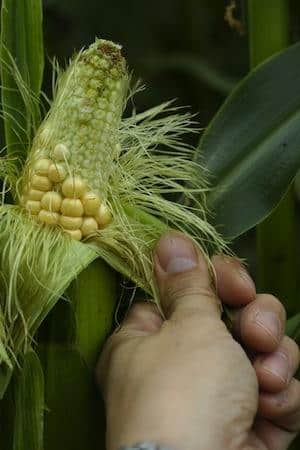
 Corn is one of the best vegetables to grow because of just how easy it is to grow, even when other vegetables are succumbing to the brutal heat of the summer. A lot of gardening experts, however, will tell you that growing corn is just not worth the investment in the real estate that is needed to devote to it. As a general rule of thumb, one corn stalk will need at least a foot of space dedicated to it in order for the plant to produce its maximum potential for yields. This can be a lot of space to dedicate when your growing space is at a premium.
If you do have the space and the will to grow it, you’ll find that there is nothing sweeter than freshly picked corn grilled and then enjoyed with just a bit of butter on a hot summer’s afternoon!
A Few Corn Basics
While corn is definitely very easy to grow, there are a few basics that you should know about it before you start picking your varieties. First and foremost, you should be acutely aware of the amount of sunshine that your corn will require. Corn does not tend to do very well when there is shade, and you will find that full sunshine will result in the happiest and healthiest plants.
A lot of feed stores and garden centers offer corn seedlings among their other spring vegetables plants, but it is truly a waste of money to purchase your corn plants that way. You are better served by sowing your own seeds that are planted in soil that is rich in organic matter and well drained. Corn honestly won’t take long to sprout, within five to seven days, so it will only get you a relatively small jumpstart on your crops by buying the seedlings. Another benefit to growing any vegetables from seeds is that your plants will be able to establish a much stronger root system right from the start; a strong root system will ensure that your plants are healthier and better able to withstand the dry spells that tend to come with the hottest parts of summer.
Ensure that the soil temperature maintains a steady sixty degrees Fahrenheit before you plant your seeds, otherwise you risk the seeds rotting before they have a chance to grow. Plant the seeds about nine to twelve inches apart, keeping in mind that you will need to thin the smaller seedlings out at a later date. Your rows of corn should be at least one and a half feet apart in order to ensure the plants have plenty of room to spread out.
Grow heirloom variety corn from Heirloom Solutions!
There are many varieties of corn: some that are mature within sixty days, some within seventy days, and some within ninety days. By planting a mixture of several types, you can ensure a steady harvest well into the fall.
Making Your Own Cornmeal
Cornmeal is typically abundantly available in grocery stores, but by making your own cornmeal, you’ll not only be able to ensure that your resulting product is healthy and free from pesticides, but you will notice a very distinct improvement in the flavor of your own cornmeal.
Dent corn, also known as field corn, is the best variety to grow if you plan on producing your own cornmeal. When the ears are mature, remove them and allow them to thoroughly dry in a warm dry area that is well-ventilated. Alternatively, you could remove the kernels from the cobs and dry them in a food dehydrator or in your oven on the lowest possible temperature.
Once the kernels are completely dried out, you will need a flour mill to grind the kernels down effectively. Investing in a quality food mill is worth it if you plan on producing your own food, so don’t skimp on the budget or you could find yourself needing to replace an inferior grinding mill within a few uses.
Keep in mind that the cornmeal you produce will likely be a lot more coarse than the cornmeal you can buy in the stores, but that does tend to lend a much more authentic taste and texture to the products you bake with your cornmeal. Your first batch of cornbread or tortillas from home-grown corn will make you a firm believer in the merits of home-grown food!
Store your cornmeal in airtight containers for up to six months. Many people find it better to store their cornmeal in the freezer because it tends to increase the shelf life of the food.
Save The Husks
When you are working on your corn, you may be tempted to toss the husks into your compost bins. While this is a great place for them, you should actually hang onto them because there are several other uses for cornhusks that you may not have yet considered.
Tamales are a Mexican food staple made of cornmeal, meat, and assorted spices. The food is wrapped in dried cornhusks in order to preserve the quality of the food. Instead of buying tamale wrappers from the store, you can dry out your own cornhusks and make next Wednesday tamale night!
Cornhusks can also be a great eco-friendly way to wrap up vegetables and fish that you plan on cooking on the grill. Aluminum foil is typically used for this, but it is not an entirely environmentally friendly choice. Rather, wrap the food in dried cornhusks before you put them onto the grill, and you may also get a really subtle but tasty infusion of additional flavor while the food cooks.
Cornhusks also make great kindling for starting fires and can help you to get that roaring fire going a lot faster on a chilly winter night. Simply dry the husks out thoroughly and store them in your garage or shed until you need them.
Offer protection to your roses throughout the winter by placing dried corn husks around the base of plant for a very eco-friendly mulch; you’ll find the husks are so effective at helping to maintain the soil temperature that your roses may even start to bloom very early in the next season.
Other Uses For Your Corn
You may be surprised to learn that those wispy stringy pieces on the corn, otherwise known as corn silk, can also be used. One of the most popular uses is to dry the silks out and then prepare them much the same way as you would any other tea leaf. Corn silk tea can be sweetened with a little bit of honey or sugar and is an excellent natural diuretic. Those who have chronic urinary tract inflammation have also reported that the tea made from corn silks has been incredibly beneficial in easing their symptoms.
Skip the heavily oil-laden popcorn from the store and dry out a good portion of your corn so that you and your family can enjoy fresh popcorn at any time of the year. The dried kernels can be stored in airtight containers or in freezer bags in your freezer. Simply put the dried kernels in your popcorn air-popper or in a skillet on the stove when you are in the mood for popcorn and a movie. There is nothing quite as intriguing as the smell of freshly popped corn, so add a bit of butter and salt or even a bit of sugar and enjoy!
Dried corncobs can also be used as kindling for your fires, or you can cover them in peanut butter and birdseeds to make eco-friendly birdfeeders for the local wildlife.
The cornstalks are a great addition to any Halloween décor, but you’ll find that any parts of the plant and ears of corn left over will be a nutrient-filled addition to your compost bins. Corn is such a great vegetable to grow because it truly is possible to make good use of every part of the plant.