 Print
Print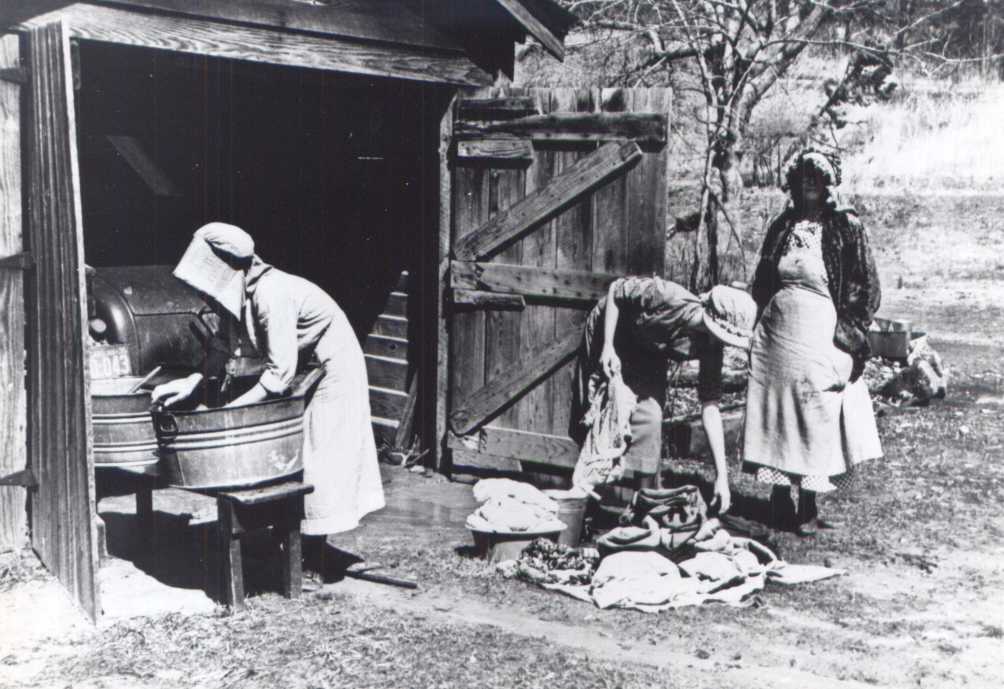
 For those who understand life in a dry cabin, it’s no stranger to you the extra daily chores to maintain simple luxuries that many take for granted. But you may be surprised to find how often people ask exactly what dry cabin lifestyles entail.
The daily tasks become routine after time, but some people wonder just how and why a person would choose to live without the commodities that the rest of the United States has been enjoying for nearly 200 years. There are a number of factors behind taking the next step in deciding on a dry cabin lifestyle, but understanding what you’re getting yourself into is the first step in the decision-making process.
To start with the basics, dry cabins are typically small homes built without an indoor plumbing system. It is important to remember that dry cabins are not always considered off-grid, as they still have the capacity to wire into the local utility company or a generator, and many people still choose to go that route. Off-grid cabins often rely on solar, wind and rain power to generate electricity to the home, whereas dry cabins are not always this rural. Dry cabins are located in almost every state across the U.S., but a large majority of the literature you will read comes from Alaska, as the permafrost, extreme temperatures, and lack of city sewer grids makes indoor plumbing a personal decision that must be maintained year-round by the homeowner.
Although at first it may seem like an impossible lifestyle, it only takes a short time to adjust to the few chores that are necessary to live in a dry cabin, and the benefits prove to be more than rewarding once you see the effects that your decision has on the environment and your ability to sustain living on your own. So what does a person need to do to survive in a dry cabin? Let’s take a look at the different rooms in your home that accommodate running water, and compare them to how a person living in dry cabins exists on a daily basis.
The Kitchen
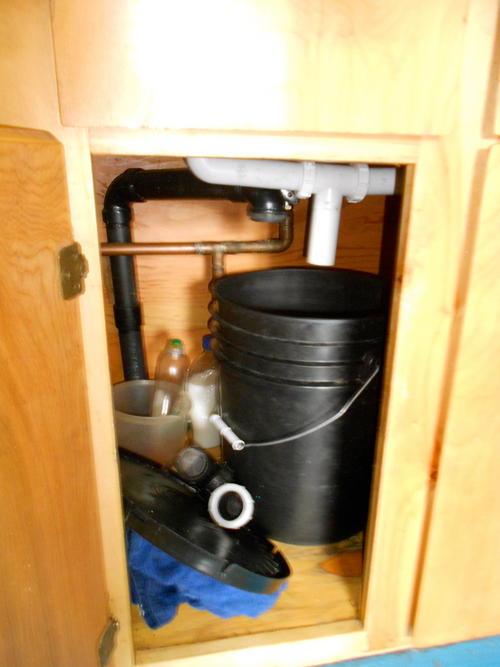
There are hundreds of different set-ups for providing water to a dry cabin kitchen. Most of it depends on the space, the utilities and how you plan to bring in and dispose of water. While more sophisticated cabins incorporate a greywater tank underneath the home, the majority of dry cabin dwellers arrange a basic set-up with a spigoted five-gallon water jug that rests near the sink and drains through pipes, which then empty into 10-gallon buckets. Any local plumbing, plastics or hardware stores should carry the typical bright blue water jugs and dump buckets, or they will at least be able to point you in the right direction. It is important to note a potable water source here, as many towns have either a community center or designated water areas that provide free water fill-ups or, worst case scenario, charge a few cents per gallon. Hauling water back to your home will be the most work you put into a dry cabin.
Since the aqua-tainer doesn’t maintain hot water, most people find it useful to purchase an electric kettle that quickly heats water for when you need it most, or simply leave a pot of water on the stove for easy heating when doing dishes, cleaning or washing off. Many dry cabin owners find it cheaper and more useful to employ a gas stove and to keep a few extra tanks of propane on hand for when one inevitably runs out. But since dry cabins are not always off the grid, electric stoves are sometimes used as well, although if there are power outages, cooking and hot water go out the window until electricity is restored. When moving into your own dry cabin, look around and determine where you will store extra water jugs, if there is enough space to fit the water container near the sinks, and always, always remember to continually check the greywater buckets under the sink so that they don’t overflow. Once you do it a few times, you will understand the gentle removal and careful steps that dry cabin-ers take to not spill dirty water all over the place while taking the bucket outside to dump.
The Bathroom
This is perhaps the hardest room for many to part with in a dry cabin. Usually located around 20 feet or more from the cabin is an outhouse, where you can feel free to be yourself and escape the clutches of being indoors. Surprisingly, this is one of the quickest things that you will get used to, and many people living in dry cabins tend to appreciate their outhouse more than an indoor bathroom. Since there isn’t a sink with running water, brushing your teeth mainly entails pouring water into a cup in the kitchen and keeping up with personal hygiene to the best of your ability. Depending on your commitment to hauling water regularly, there is no reason that you can’t keep up with personal appearance just as much as you could with indoor plumbing. Washing your face at night and in the mornings is a routine that most people figure out quickly, and purchasing an electric kettle is a great way to warm water for this process.
But what about showers, you ask? Oftentimes people will purchase a solar shower bag, a large wash basin to sit in and bath, or heat water and rinse off their bodies as regularly as they deem necessary. While this can go on for some time, eventually dry cabin residents will reach a point where taking a real shower is an absolute necessity and nothing else will suffice. Depending on the area you live, some businesses recognize that surrounding neighborhoods are typically dry cabins, and they will set up shower facilities where you are charged a minimal fee to shower. Whether it is a timed shower or not depends on the business. Also, the more neighbors you have, the better chance you run of finding a friend who is more than happy to let you shower at their place once or twice a week.
Laundry
This is another method that is left completely to you. Since laundry doesn’t necessarily require potable water, collecting rainwater or washing in a creek and hanging to dry is a great way to get clean clothes. If this seems too 1800s for your style, the same areas that offer showers and drinking water will usually have a laundromat to take care of that chore as well. Aside from simply hauling water, you now haul your clothes to and from town, which really isn’t that different from many people living in city apartments. Doing laundry isn’t a task that needs completed every day, so it will be the smallest of your duties when living in a dry cabin.
One of the best things about dry cabin lifestyles is the ability to gauge how much water you actually waste on a weekly basis. Aside from drinking water, there is usually only one or two greywater buckets under your sink that will need emptied every week or so. It is completely rewarding to know that you are doing your part for the environment, as well as living away from the clutches of modern lifestyles and providing for yourself by good hard work.
How you set up your cabin and what works best for you will inevitably go through a few changes until you find the perfect solution, but once you get there and get settled into the regular maintenance of a dry cabin lifestyle, you will find that it is much less difficult than you think, and living day to day is actually not as complicated as it has been made out to be. Once you try living in a dry cabin, you will learn to appreciate all the modern commodities that many people take for granted, and you will also feel a sense of accomplishment knowing that you can make life work all on your own.
Do you have any experience with dry cabin living? Share your suggestions in the section below:
Get $367.52 Worth Of Survival Blueprints … Absolutely Free!

https://www.theplumber.com/usa.html