 Print
Print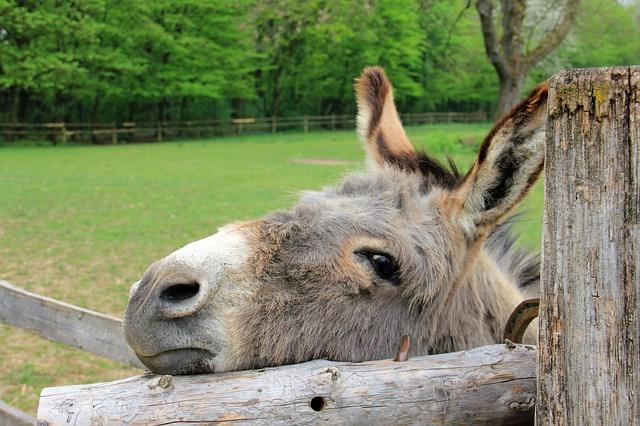
It’s not uncommon to see dogs in pastures with livestock to serve as protection from predators, but many people do not realize that donkeys can be excellent guards, as well. They are typically suited for protecting calves, sheep and goats, and will easily fend off canine attackers, fox or even bobcats.
Of course, as it is with dogs, they should not be expected to take on several attackers, such as a pack of dogs.
Why Use a Donkey?
The donkey’s ability to protect livestock comes from its naturally aggressive nature toward dogs and coyotes. They are known for attacking canines by charging, braying, biting and striking. While most donkeys will try to scare the predator away by charging at it, many also will confront the predator if it comes down to it. They often bite at predators while slashing their front hooves, or they even may turn around to kick their back hooves.
Although the donkey’s instinct to fend off predators is a purely selfish motive, it is enough to keep an entire herd safe, provided there is only one attacker. Because of this and the donkey’s larger size, smaller livestock tend to hang around donkeys for protection.
Diatomaceous Earth: The All-Natural Livestock De-Wormer!
One of the more notable advantages of owning a guard donkey rather than a guard dog is the fact that donkeys will stay within the fence and not roam. Of course, there are instances in which you may end up with a particularly mischievous donkey, but they are far more likely to remain in the pasture, living among the rest of your livestock. They also tend to live longer than dogs, and you don’t have to worry about them being aggressive toward people.
Choosing a Donkey
If you think you may be sold on the idea of using a donkey to protect your livestock, you’re going to need to know some basics before you get one. Choosing the wrong donkey could not only cause you to waste money, but it also could put your livestock in some danger.
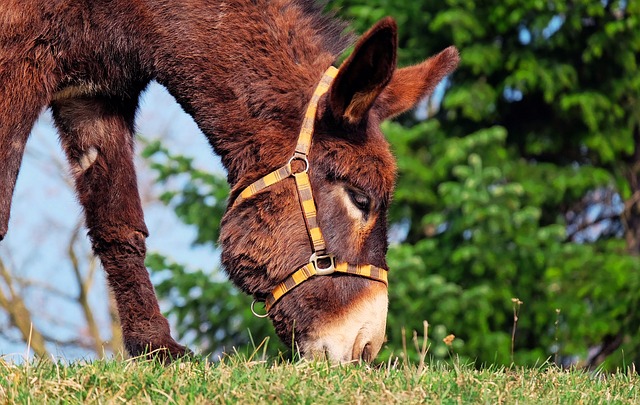
The characteristics that make a donkey such an excellent guard animal are found in a particular set of donkeys. For example, it is important to make sure that you purchase a donkey that is bred to be of standard size or larger. If the donkey is too small, it will have more trouble defending itself against predators, and it may even choose flight over fight.
It is also important to choose a gelding donkey or a jenny over a jack because jacks tend to be aggressive toward other livestock and are more difficult to handle. With the amount of care donkeys need for their hooves and medical purposes, you do not want a donkey you can’t handle.
Beet Powder: The Ancient Secret To Renewed Energy And Stamina
Though baby donkeys are cute, they obviously will not make good guardians. If you can’t purchase an experienced guard donkey, I recommend purchasing one that is at least a few years old. Younger donkeys tend to want to play with the livestock, which becomes dangerous as the donkey gets older and bigger.
Introducing Donkeys to Livestock
Having only one donkey makes introductions to other livestock much easier. They are not very social animals, but they will associate with your sheep, goats and calves gradually if they do not have another donkey. If you are nervous about putting them together right away, you may want to consider fencing off a small section for your donkey within your livestock pasture.
I would recommend that you leave the donkey in its own pen for several weeks. During that time, you should get acquainted and comfortable with it. Animals can sense when you are nervous or anxious, so the more comfortable you are with the donkey, the more relaxed and trusting it will be around you. When you finally do decide to put the donkey with the rest of your animals, I would recommend that you use a halter and lead, so you can have some control over the situation; however, you should still be very cautious and try to make the process as calm and relaxed as possible.
Donkeys can make excellent guardians for your livestock, but some are better at it than others. If you are seriously considering getting a donkey to guard your animals, you should do more research to make sure you choose the right donkey that will become a part of your herd.
Have you ever used a donkey to guard your livestock? Share your thoughts and tips in the section below:
Harness The Power Of Nature’s Most Remarkable Healer: Vinegar