 Print
Print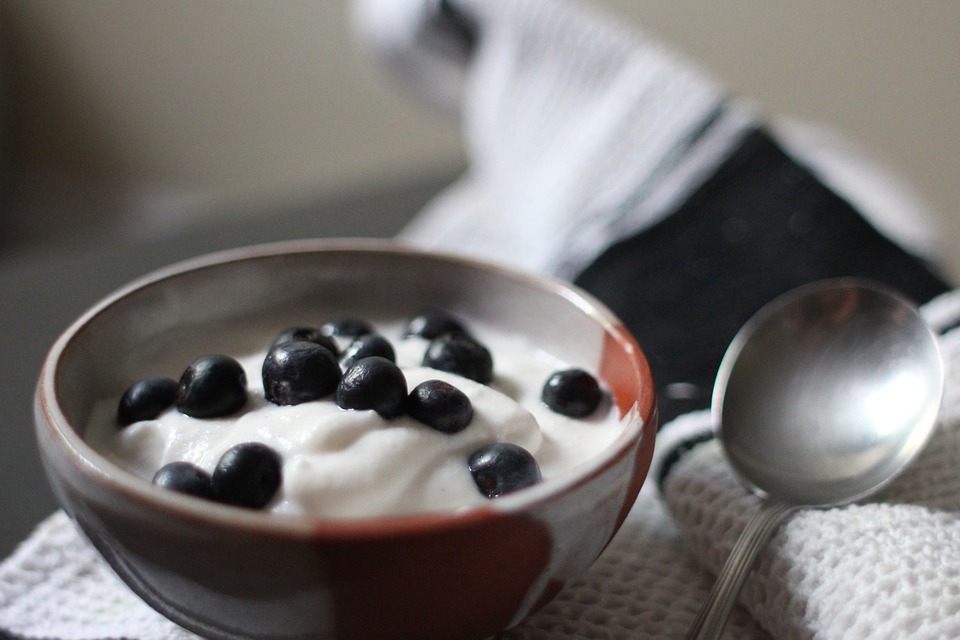
Most people are familiar with fermented foods in the form of alcoholic beverages, like beer and wine. Humans, though, have been experimenting with fermenting food for preservation and flavor enhancement for millennia, and yeast-based ferments that produce alcohol are only one type of fermentation.
Lacto-fermentation, or fermentation with lactic acid-producing bacteria, is used around the world to make and preserve food, and you may be surprised to learn that some of your favorite foods are actually produced with lacto-fermentation. Yogurt is one well-known example of a lacto-fermented food, and it’s where lacto-fermentation derives its name.
Lactobacillus is a strain of bacteria first studied for its ability to convert milk sugars into lactic acid — thus the reason for the “lacto” in the name. However, milk or dairy products are not required. It was later learned that lactobacillus can convert just about any sugar into lactic acid, even the naturally occurring sugars in raw meats and vegetables.
Some of the easiest lacto-fermented foods to make at home include vegetable-based ferments like sauerkraut, and naturally fermented pickles and kimchi. Condiments like Sriracha, soy sauce, miso paste and Worcester sauce are all fermented to give them their characteristic taste and long shelf life.
Make “Off-The-Grid” Super Foods Secretly In Your Home
Salt-cured meat products like salami, summer sausage and prosciutto are also lacto-fermented foods. They’re actually preserved less by the salt added to cure them, and more by the fact that lactic acid bacteria thrive in a high salt environment. Once the meat products are salted, lacto-fermentation takes over and cures the meat before the bacteria that grow more slowly in a high-salt environment can gain control.
The easiest way to get started with lacto-fermented foods is either with yogurt or sauerkraut.
Homemade Yogurt
With yogurt, you’re starting with heat-sterilized milk and adding a yogurt starter culture that contains Lactobacillus bacteria, usually just a few spoonfuls from a previous batch or a freshly bought plain yogurt from the store.
Start with a freshly sterilized jar, boiled for 10 minutes or put through a sanitize cycle on your dishwasher. Bring milk to 180 degrees (Fahrenheit) on your stovetop to freshly sterilize it, and then pour it into your clean sterile jar. Wait until it cools down to 90-100 degrees, and then add a few heaping spoonfuls of fresh newly opened yogurt, or a clean uncontaminated container from your last batch. Wrap the jar in a towel or place it in a warm water bath to keep it warm for 8-12 hours while the culture incubates. Be careful not to let the mixture go above 115 degrees, as it may kill off your starter culture. After 8-12 hours, you should have a thick tangy yogurt, and if not, give it a few more hours, and then place it in the fridge and enjoy.
Homemade Sauerkraut
For sauerkraut, you’re relying on the naturally occurring Lactobacillus bacteria present on the surface of all raw vegetables, and encouraging it along with the presence of a high-salt environment.
Finely chop a cabbage and pack tightly into a clean sterile jar. Cover with a brine made by dissolving 1 1/2 tablespoons of salt into each quart of water. Alternatively, mix the chopped cabbage with 3 tablespoons of salt for every 5 pounds of cabbage, and allow the salt to draw liquid out of the cabbage to create its own brine. Top off with a 1 1/2 tablespoon to 1 quart of water-salt brine if the water level does not completely cover the cabbage.
Make sure that the cabbage stays well below the water level, as any cabbage exposed to the air will likely spoil the batch. Use something clean, non-porous and non-reactive as a top weight to keep the cabbage below the water line. Try a small plate, smaller jar or a sealed plastic bag filled with water. Avoid anything made of metal, as it may react with the ferment.
Allow the sauerkraut to sit on the counter, ideally between 70 and 75 degrees and out of direct sunlight for 3-4 weeks. At that point, it can be placed into the refrigerator to slow the ferment, or kept on the counter for another week or two while it’s consumed. On the counter the flavor will continue to intensify as the ferment continues. Likewise, in the fridge the flavor will continue to develop, but much more slowly with the colder temperatures. Fully fermented sauerkraut should keep in the refrigerator for several months if kept uncontaminated.
Next Steps
Once you’ve tried these basic ferments, you can begin experimenting with more advanced techniques. Try making your own fermented hot sauce or naturally fermented pickles. Once you’re confident in your abilities, even seemingly intimidating meat ferments like duck breast prosciutto or summer sausage are easily made at home by just following simple recipes.
Have you ever made yogurt, sauerkraut or other lacto-fermented foods? Share your tips in the section below: