 Print
Print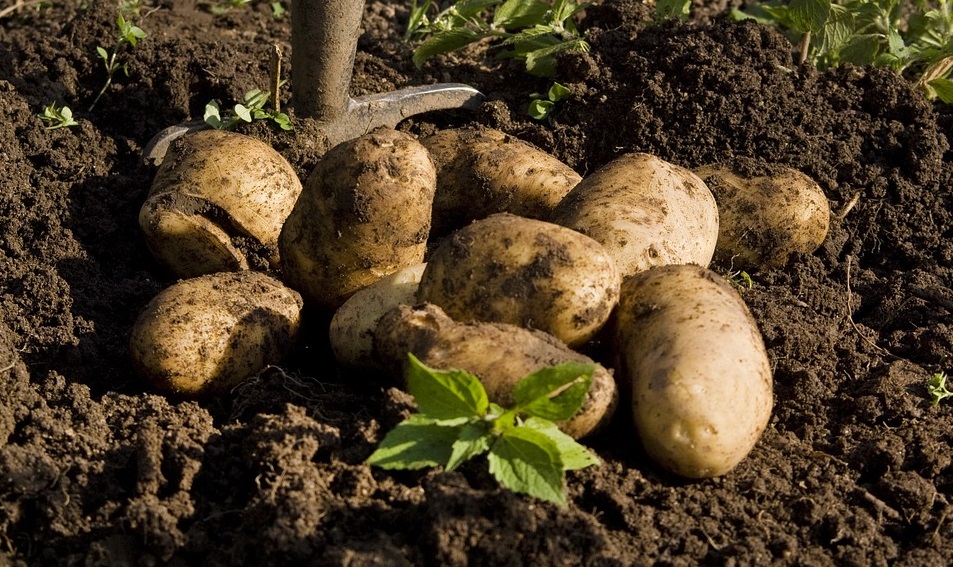
Are you ready to feed your family? If you want to reduce your dependency on the commercial food supply, you better start now. Establishing crops, building infrastructure, raising animals, and working out the kinks takes time, and you may have a few less successful years before you can really eat off the grid.
Assuming you have a house on cleared land, with at least one usable outbuilding already constructed, you will be able to focus on growing food. With long working days, attention to seasonal change and weather, efficient work practices, and regular routines, two adults can work the land for food within a few years.
Here’s nine foods that can make you 100 percent self-sufficient. Keep in mind that crops like lettuce – which is easy to grow and doesn’t store very long – aren’t on the list.
Protein
1. Beans. Reliable and easy to grow, beans are a nutritional staple for the homesteading family. Prepare the soil early, and plan on 2-3 months of growing before harvest.
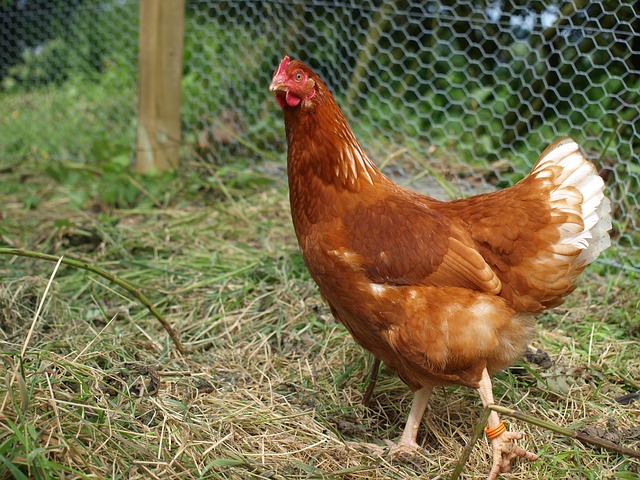
2. Poultry. If starting with chicks, expect 2-3 years of successful rearing, selection, brooding and culling before you will have your flock established. In the meantime, you will collect eggs and eat birds you choose not to keep in the flock. Start with 10-12 chicks, and plan for them to be around 3-4 months old before butchering.
Just 30 Grams Of This Survival Superfood Provides More Nutrition Than An Entire Meal!
3. Rabbits. Rabbits are quick producers of meat for your family. It is not unreasonable to expect 20 or more rabbits per year from a single breeding pair. Allow for 1-2 years for your rabbits to become established. Select for breeding performance, health and size, and introduce new genetics regularly.
Grains
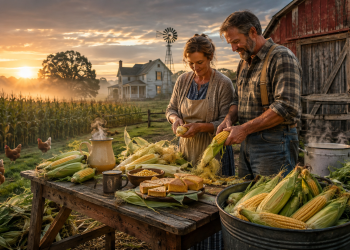
4. Corn. This is a prolific grain crop needing much nutrition from the soil and up to four months of heat for production. In your first year of growing corn, it is not unusual to have a lot of losses due to weather, pests or soil issues. However, once you have worked out the issues, corn can be an important staple grain. Plan on about two years of learning before cultivating a substantial harvest.
5. Wheat. One of the most common grains in the American diet, wheat is reasonably easy to grow but hard to harvest. Wheat is ready after around two months of hot weather. When planning to start wheat, figure in threshing and grinding time.
Fruits & Vegetables
6. Winter Squash. Grow winter squash to supply your family with important vitamins and to provide you with an easy keeper crop. Winter squash takes up to four months to mature, but you should be able to get a good yield in your first year with appropriate pest management and watering.
7. Apples. Although apples can be extremely useful, you need to plan on 6-10 years with your trees before they will bear fruit. Your patience will pay off, however, and planting apple trees is well worth the wait.
Need Non-GMO Seeds? The Best Deals Are Right Here …

8. Potatoes. Potatoes are easy to start, and you can expect a good yield in your first year of growing them. Short-season varieties will grow in as little as two months, but longer-season varieties can take three months or more.
Extras
9. Honey. While not strictly necessary, honey is a fantastic sweetener on the homestead and comes with lots of nutritional benefit. However, bees take a while to get production ramped up. Your first-year harvest will be very small, but in the second year you can harvest up to 30 pounds of surplus honey from one hive (leaving the bees something to eat over the winter).
What would you add to our list? Share your thoughts in the section below:
Harness The Power Of Nature’s Most Remarkable Healer: Vinegar