Print


There are many herbs in the world that can be useful when used appropriately. Misuse however, can lead to illness and even death. Arnica is such a plant.
When used appropriately, arnica can be a powerful medicinal. However, it also can cause severe liver damage if used under the wrong circumstances. For example, arnica should not be used internally. Ingestion can lead to gastroenteritis or cardiac arrest due to helanin poisoning. When it comes to wild harvesting and the preparation of medicinal plants, it is always a good idea to bring along a high quality guide book for identification and to work under the supervision of a more seasoned guide and mentor.
Now that we discussed that little piece of wisdom, I think it’s safe to move our conversation into all the ways that arnica is special.
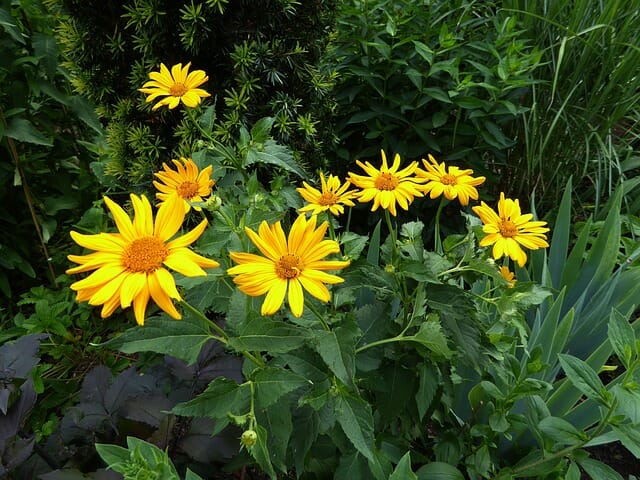
Arnica is a perennial aster that is part of the sunflower family. There are more than 30 species of arnica. Of these 30 known species, two are most commonly discussed for medicinal use — one that is endemic to Europe and another that makes its home along the mountainous regions of the United States and Canada.
Fast, All-Natural Pain Relief With No Nasty Side Effects!
The European arnica is known as Arnica montana, and the North American counterpart is Arnica chamissonis. Arnica cardifolia (heart leaf arnica), another sub-species of North America, can be found as far east as Ontario and Michigan. They are all fairly similar in appearance. Other than its value for medicinal purposes, arnica is also an exceptionally beautiful wildflower. Even if you never use it as a remedy, it is still worth admiring for its brilliant golden hue, delicate bright green leaves and its ability to spread into dense clusters within the dappled sun of a western confer forest.
Arnica’s Uses Throughout History
Arnica has been used as a medicinal herb in Europe and North America for hundreds of years. Several Native American tribes used the roots to prepare a tea that would aid in the alleviation of back pain. Some of the first recorded European folk remedies date back to the early 16th century. Arnica was used as a preparation for black eyes, sprains and minor contusions. Although ingestion has been shown to cause severe liver damage, topical applications have proven to be effective at aiding the healing process for strained muscles and minor injuries. When used as a tincture or as a compress, arnica is known for its ability to stimulate blood flow. This helps to reduce pain, alleviate swelling and it aids in the healing of bruises and hematomas. Arnica also increases the rate of tissue regeneration.
The most commonly collected parts of the arnica plant are the flowers. Arnica typically blooms between June and August, depending on the altitude and availability of water. Blossoms should be gathered when fully open and can be used immediately for fresh use or dried for later use. The best temperature for drying arnica blossoms is between 70 and 95 degree Fahrenheit. Once dried, blossoms should be stored in a clean glass container away from direct sunlight. It is best to use the blossoms within 12-18 months of harvest.
Arnica blossoms can be used in the preparation of salves and tinctures. Ingestion of arnica can be fatal, and the overuse of concentrated essential oils is to be avoided. Some homeopathic preparations have been approved for internal use but should not be attempted without proper guidance.
Arnica cannot tolerate trampling or excessive foot traffic. For this reason, it is advised that wild crafters should be mindful of the delicate nature of arnica and not over-harvest it. The good news is that Arnica is relatively easy to propagate.
Arnica thrives in soils with an acidity of 6-7 pH and can tolerate full sun to partial shade. If enough water is available, it also can thrive in poor soils with high acidity. For these reasons, it can be an ideal plant to work into a home garden. The easiest way to propagate arnica is by collecting seed or by dividing the roots. The best time for division is during early spring. Seeds can be started indoors and transplanted out at any time. Some species of arnica are hardy to cold weather, while others are better suited to a milder zone 6 climate. The best place to plant arnica is in your herb garden, but it also can be used as a seasonal bedding plant (although its bloom time is relatively short-lived).
In closing, if you are not familiar with arnica, it is definitely a plant of value worth knowing. By protecting the wild and scenic places in this world, we also protect one of our greatest aesthetic and medicinal resources — our native herbs and flowers.
*This article is for informational purposes only and is not intended to diagnose or cure any particular health condition. Please consult with a qualified health professional first.
Have you ever planted and used arnica? Share your tips in the section below: