 Print
Print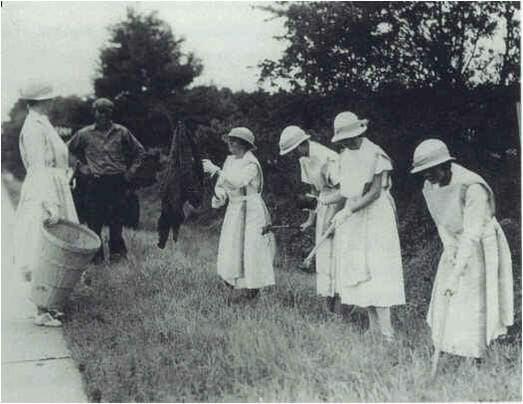
Herbs are an important part of most home gardens, especially on a homestead. When life was a little harder than it is today and doctors were few and far between, homesteaders would turn to their herb garden in times of sickness.
Below are eight of the most useful herbs our ancestors Grew. Grow them to create your own in-home apothecary.
Basil. Certainly one of the most common herbs grown in the home garden, basil is also praised for its antibacterial properties. The fluid in basil leaves can help eliminate the risk of infection when applied as a poultice to minor wounds. Boiling the leaves in water along with sea salt and cloves can create a tea to fight off influenza. Boiling basil leaves with honey and ginger can create a tea that fights colds, coughs, bronchitis and the inflammation associated with asthma.
Parsley. Although most people use parsley as a garnish, it is an incredibly powerful medicinal herb, as well. Parsley contains a number of volatile compounds that inhibit the growth of tumors. It also is rich in vitamin C, and it has been shown to be useful in reducing the effects of rheumatoid and osteoarthritis. Additionally, it is rich in anti-oxidants and has been used to treat urinary tract infections, kidney stones, constipation, indigestion, anemia and high blood pressure.
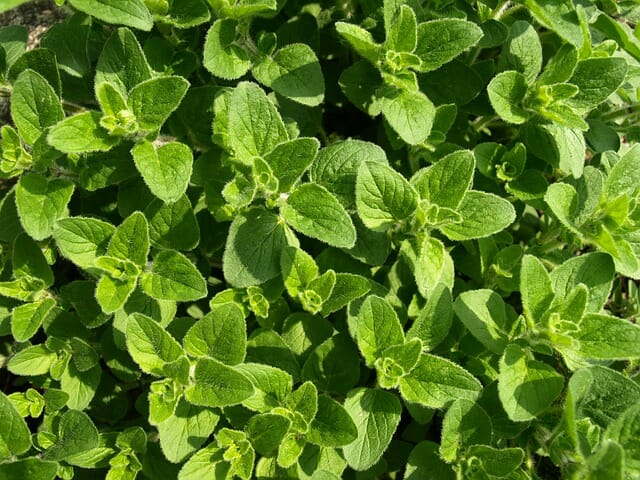
Oregano. This popular herb contains powerful antiviral and antibacterial qualities. Currently, oregano oil is being studied in both its liquid and vapor form for its ability to kill listeria and hospital strains of MRSA. Oregano also is being studied for its ability to slow tumor growth in breast cancer patients and as a potential control method for type-2 diabetes.
Looking For Non-GMO Herb Seeds? Get Them From A Company You Can Trust!
Valerian. Although less common than some of the other herbs, valerian root is incredibly effective at treating sleep disorders. The name itself is derived from the Latin valere — to be in health. Valerian is especially useful in calming an overly stimulated nervous system (i.e. it’s good for fighting stress).
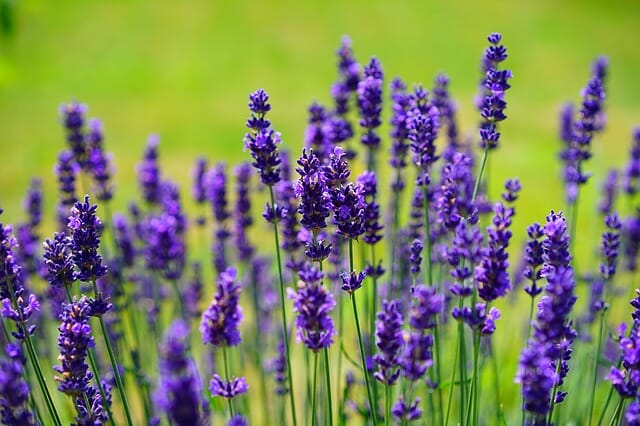
Lavender. Lavender oil is very effective in the treatment of minor fungal infections. Lavender oil is astringent in nature and is well-known for its anti-bacterial qualities. The scent of lavender lessens anxiety and promotes a sense of calm and well-being. Strangely enough, lavender oil has also been shown to promote hair growth when used regularly for prolonged periods of time, although caution is advised for long-term topical use, since some undesirable side effects have been noted (including a slowing down of the central nervous system).
Mint. Mint is an incredibly versatile herb. In addition to its many culinary uses, mint tea is also used to treat indigestion or inflammation of the gut caused by illness. It offers relief from nausea due to motion sickness. Mint oil can be used to alleviate headaches, and it lessens the severity of migraines. The aromatic properties of the oil can be used to clear up congestion caused by colds and the flu. The antiseptic properties of mint oil are useful for the treatment of insect bites, small cuts, minor burns and as an acne treatment.
Chamomile. German and Roman chamomile have been used for centuries for their anti-inflammatory properties. Chamomile tea can be used to sooth gastrointestinal problems, such as heart burn, diverticular disorders and spasms of the stomach and intestine. It is useful as a mild sedative, and it helps alleviate insomnia. Chamomile salves are used in the treatment of hemorrhoids and minor wounds. Chamomile has also been shown to be effective in combating morning sickness, teething symptoms in young children and colic.
Dill. The seeds and leaves are the most useful portions of the dill plant. For centuries, people have turned to dill for the treatment of diarrhea, excess gas and dysentery. Dill also has been studied for its ability to promote good bone density, reducing the symptoms associated with arthritis and fighting off bacterial infections throughout the body. Dill promotes good oral health and is effective at removing free radicals from the body.
*This article is for informational purposes only and is not intended to diagnose or cure any particular health condition. Please consult with a qualified health professional first.
What herbs would you add to our list? Share your own list in the section below: