 Print
Print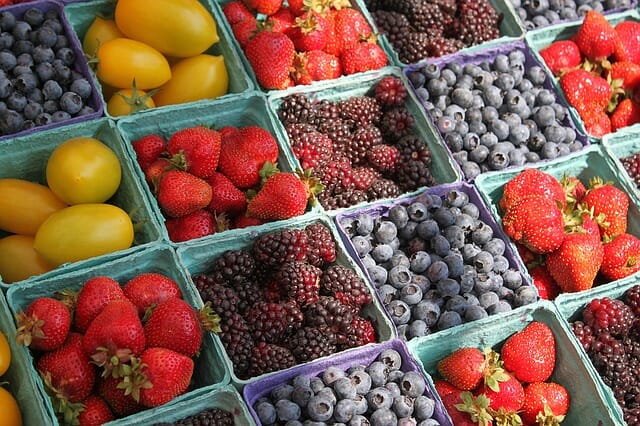
Can you stockpile fresh produce? Yes! You can integrate your extra garden and orchard produce (or weekly specials from the supermarket) into a well-planned stockpile that includes fresh produce, just like your great-grandparents did.
Fresh items can be preserved for longer storage, and you can grow fruit trees, nut-bearing trees, berry bushes, and perennial edible plants and herbs to ensure a well-balanced diet that includes fresh fruits and vegetables.
This article will examine why preserving produce is a good idea, will compare nutritional benefits and costs to store of dehydrated foods versus canning or freezing, and will suggest the most useful fruits and vegetables to stockpile.
First, though, why would you stockpile perishable items?
- Fruits and vegetables are a good source of a broad array of vitamins and minerals for a balanced diet (like potassium for muscle health).
- “An apple a day keeps the doctor away” as the old English proverb says. Fruits and vegetables as part of a healthy diet prevent diseases like scurvy (caused by a lack of vitamin C).
- Fruits and vegetables are a source of fiber, which is filling and aids digestion,
- Variety! Vegetables and fruit offer sweet, spicy and sour tastes.
- Fruit- and nut-bearing trees, as well as some perennial plants or those that come true from seed, offer a unique opportunity to establish part of your stockpile as part of your home landscaping.
Fresh Produce Stockpile Option No. 1: Dehydrate
Drying or dehydrating fruits and vegetables is more cost-effective long-term than canning or freezing, and dried items (like apple slices) have a longer shelf life than canned or frozen items. In addition, drying produce using lower heat settings preserves essential nutrients that might be lost in cooking at high temperatures or in freezing. If you are interested in comparing costs between drying, canning and freezing, check out this article from the Colorado State University Extension.
Keep your eye out for fruit on sale, and dry it as a cost-effective way to incorporate fresh produce into your stockpile. Dehydrating is also an excellent way to preserve excess garden produce with less effort than canning, and less energy expenditure. Both methods generally require slicing or chopping to prepare produce, but water bath canning requires sterilized jars, a stove top for hot water bath boiling, and it takes more hands-on time, so more effort and more spent fuel energy.
What to dry? Apple slices are easy to dry and have a long shelf life when sealed in an airtight container. Pineapple can be easily dried, as can apples, pears, plums, tomatoes, herbs, plums, pears and bananas. Strawberries, kiwi, pumpkin and peppers are also good drying candidates. Slices of citrus fruit can be dried. You can also create fruit leathers and meat jerkies.
Store dehydrated food in airtight containers (I use glass jars), in a cool area, and label for rotation and use as you would other foods in your stockpile.
A brief note on dehydrator equipment: If it is humid in your area, then you need a dehydrator (preferably with a heat source and electric fan), but if you are in a dry area, then you can actually dry food on trays in the sun.
Fresh Produce Stockpile Option No. 2: Canning
Standard canning favorites are applesauce, tomato sauce and salsa, dilly beans, whole peaches, and jams and jellies. Canned produce is good for a year or more before it starts to lose its nutritional value, so clearly label canned food and rotate its use in your short-term stockpile.
Learn Everything You Don’t Know In “The Big Book Of Off The Grid Secrets”!
Canning is hot and takes quite a bit of effort. Jars must be sterilized before filling, the food is generally cooked (or a hot broth is added to uncooked food in jars), and then jars are submerged in a boiling water bath for a set period of time, depending on what is being canned and in what size jar.
Fresh Produce Stockpile Option No. 3: Cold Storage
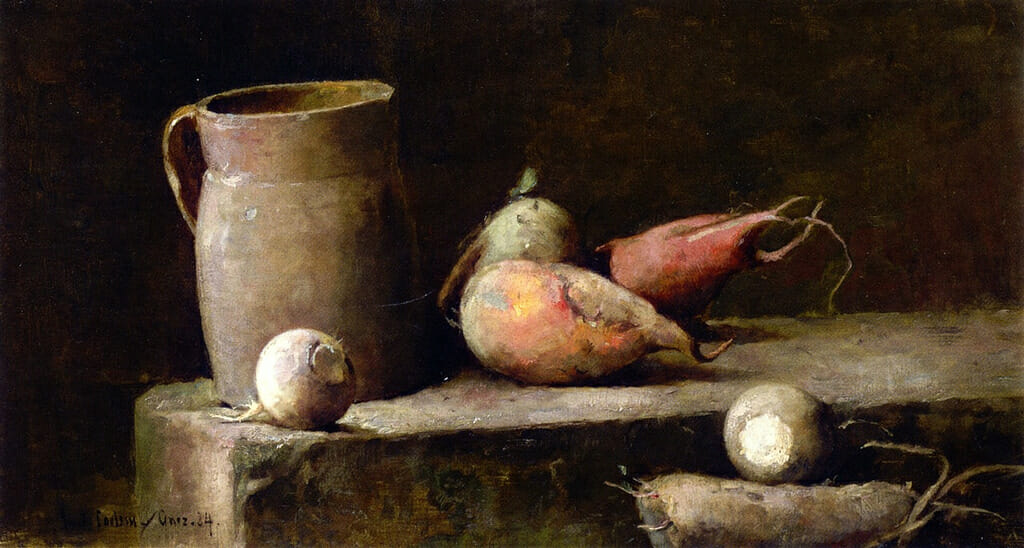
Cold storage options include freezing fresh produce and using a cool area (such as a root cellar) to preserve items like potatoes, onions, pumpkin, winter squash, apples and garlic.
Freezing produce is obviously dependent on a power supply in warmer months or warmer climates. The shelf life of frozen items is similar to canned food. Preparation of fruits and vegetables for freezing may include “blanching” the produce in a hot water bath and then drying before packing and freezing. Remove as much air from packages as you can to extend shelf life. A vacuum sealer to package food is an excellent way to remove air and package items for freezing.
Root cellars are typically used to preserve a late summer or fall harvest of fruit and vegetables into the winter months. A root cellar temperature is typically near 40 degrees Fahrenheit and has a high humidity level (80 percent or more). This temperature and humidity is good for storing potatoes, apples, carrots and pumpkins.
Fresh Produce Stockpile Option No. 4: Ferment & More
Do you like sauerkraut, pickles and salty green beans? Don’t forget the options of salt water brining, fermentation and preserving in solutions such as oil, vinegar and alcohol. A handy resource to learn more is “Preserving Food without Freezing or Canning: Traditional Techniques Using Salt, Oil, Sugar, Alcohol, Vinegar, Drying, Cold Storage, and Lactic Fermentation” published by Chelsea Green Press (2007).
Fermenting is also used to produce alcohol; the high sugar content of many fruits in combination with yeast will produce alcohol if allowed to ferment long enough. Bubbly apple cider or homemade wine anyone?
Fresh Produce Stockpile Option No. 5: Planting
My favorite option for stockpiling fresh produce is to plan ahead for future harvests by planting fruit & nut trees, berry bushes, and perennial herbs and edible plants.
The best time to plant a fruit or nut tree is now; fruit-bearing trees can take 3-7 years to produce fruit. Consider apples, pears, plums, chestnuts and hazelnuts. In more southerly areas, citrus, almonds and figs are also possible. Crabapples are a natural source of pectin for canned jams and jellies, if you don’t want to have to rely on store-bought pectin.
Consider planting berry bushes such as raspberries, blueberries and strawberries. Grapes are relatively easy to grow, and hardy in many areas. Rosehips, found on many old-fashioned roses, are a good source of vitamin C. Herbs, such as parsley, are high in vitamin C, and herbs like chives and sage come back year after year. Perennial garden staples such as rhubarb and asparagus will come back year after year, and can be supplemented with a store of garden seeds for things like tomatoes, cucumbers and beans.
Martin Luther may have said it best: “Even if I knew that tomorrow the world would go to pieces, I would still plant my apple tree.”
In conclusion, a supply of fresh fruits and vegetables is an excellent addition to a well-planned stockpile. You can preserve and grow fresh produce to ensure a well-balanced diet. So, what are you waiting for? Get growing, drying, canning, fermenting, and root cellaring!
What advice would you add on stockpiling and preserving fresh product? Share your tips in the section below: