 Print
Print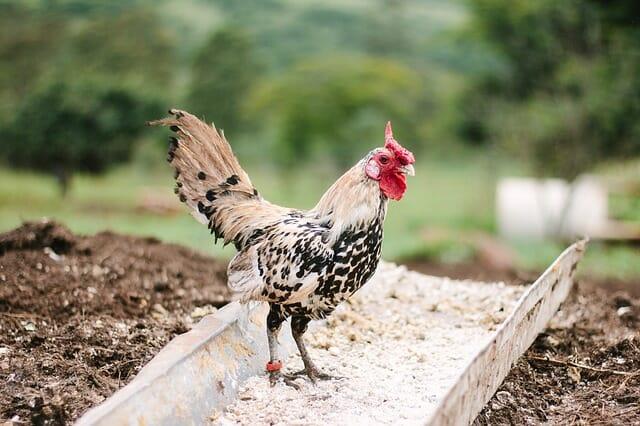
Although the move toward a self-sufficient farm can seem daunting and out of reach, there are plenty of small things you can do to decrease your reliance on outside sources and make the most of what you have.
1. Start with clean feed
There are plenty of great mixes that can be purchased at the local feed store. However, some mixed feeds contain fillers and additives, which not only become part of the chickens’ diet, but also yours when the meat and eggs are part of your food source. The cleaner your chickens eat, the cleaner you will eat. A good option is to purchase the separate grains in bulk and mix them yourself. The price is sometimes comparable or a little more than the regular chicken feed mixes, but it’s a very clean source of nutrition without additional additives.
As you move toward replacing goods from outside vendors with your own homegrown options, start small with growing a few grains at a time and adding them to the feed you currently purchase. Over time you will use less and less store-bought items while finding out how the additional crops can work into your existing infrastructure. You can try oat, wheat, lentil, pea, corn, etc. Do a little research to determine the protein needs of your particular flock so you can create an appropriate mix of grains. The rest of their nutrition can come naturally through free-range grazing. They’ll eat the grass, weeds, bugs and worms. They also greatly appreciate any kitchen scraps you desire to throw their way.
2. Try a fodder system
This has been called a supplement by some, and a mainstay by others. Essentially, fodder is sprouted grains. It contains all of the nutrition of the grain itself, plus everything it develops as the greens grow, especially chlorophyll and beta carotene.
Diatomaceous Earth: The All-Natural Livestock De-Wormer!
These are wonderful for your chickens, especially in the winter when they have little access to grass and bugs. The sprouts are grown in a tray system until they’re about four inches in length. These can then be fed directly to your chickens. Some great grains to try are wheat, barley, oat, sunflower and beans. Just keep them fresh and free of mold. Even the little sprouts themselves, harvested on the third or fourth day, are packed with nutrients and good for digestion.
3. Use the manure
This means rich compost! Every coop should have the bedding and manure stripped out periodically. If you are using the deep litter method, you can add new bedding on top of the old, as needed, to reduce any odors. The chickens will scratch around and keep it mixed. Whether you choose to use sawdust or straw on the floor of your coop, it all can go into the compost pile. After a little decomposing action, this nitrogen-rich mix will be ready for your gardens. This is another reason why feeding your chickens well ultimately feeds your soil well (as well as your body!).
4. Don’t forget deep litter for heat
Depending on where you live, winters can be tough for chickens. Ideally, with a self-sustainable farm you want to have as many natural sources of heat as possible. As long as the chickens’ combs and wattles are not getting frost bitten or frozen, and they can come into the coop to stay dry, then they should be able to handle the weather.
A concern, however, is keeping their water from freezing. Some coops utilize a small heater for the watering container, while some people will simply change out the water periodically. Another option is deep litter, which is a method whereby you allow the sawdust or straw to build up in the floor of the coop. The decomposition of the material and the chicken manure give off a little bit of heat that can be helpful in the harsh winter months. To do this, just leave everything in the base of your coop, periodically adding a bit of new sawdust or straw on top to freshen it. The deeper it gets, the more it insulates the coop and generates a little natural heat through decomposition.
5. Enjoy the food!
Of course, one of the most obvious benefits of having chickens on your farm is the fact that they’re a tremendous source of protein. Even if you are not yet at the point where you slaughter your own meat, consider chickens for their eggs. A typical egg can have between 6-8 grams of protein, which is a great source for your family when times get hard. Most healthy hens lay up to one egg per day. So, if you have 12 healthy hens, you can expect to harvest up to a dozen eggs per day. The amount of eggs produced can drop during the winter when daylight hours are shorter, but can be helped by adding extra light to the coop. As long as you keep the chickens fed, they will help keep your family fed.
The more you use what you have, the closer you’ll be to having a healthy, self-sufficient farm.
What chicken advice would you add? Share your thoughts in the section below: