 Print
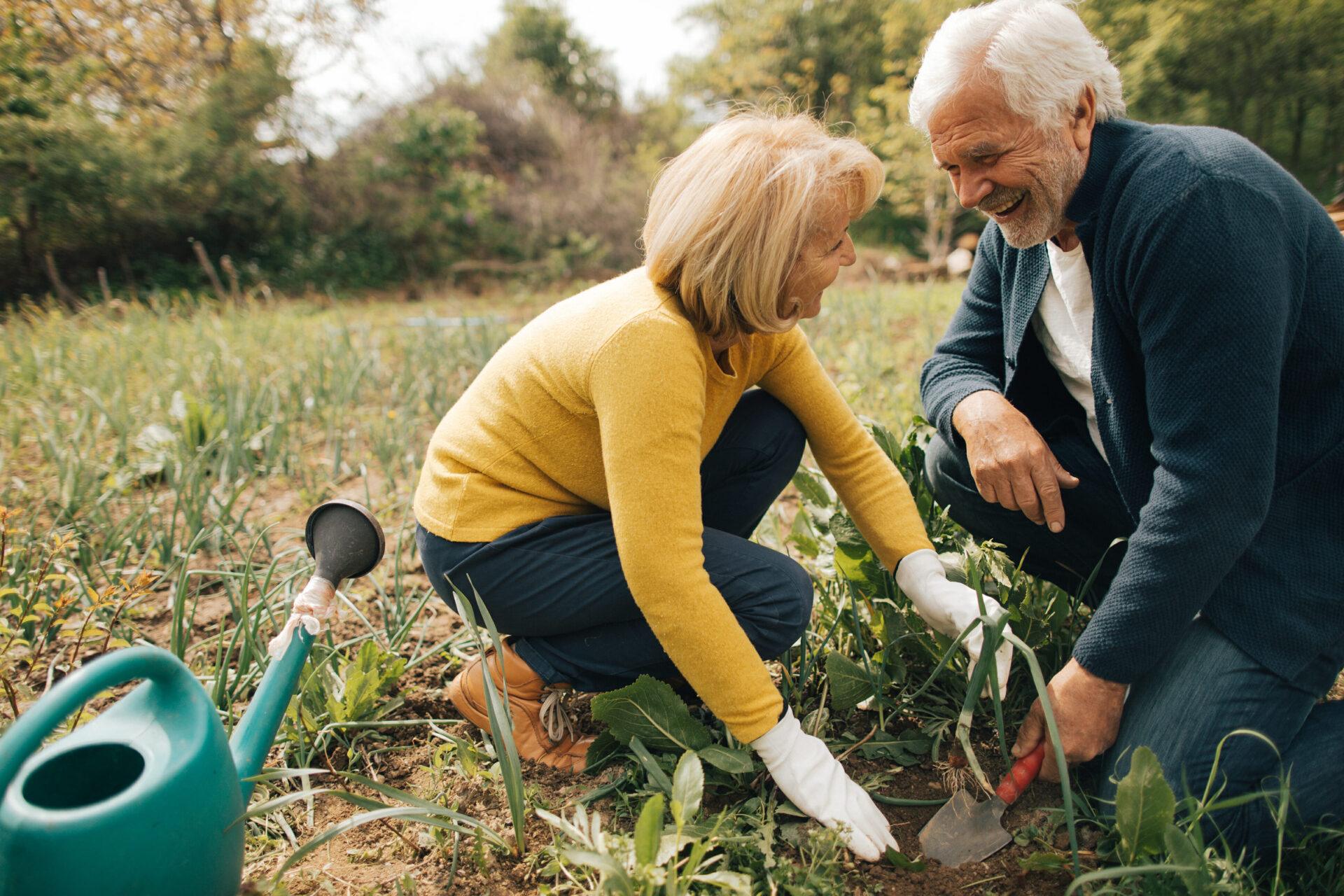
PrintThere’s no doubt about it: the health benefits of nutrient-dense, fresh, organic produce is a keyreason to break out the gardening tools each season.
Purchased produce simply doesn’t have as many nutrients as the veggies that come from our gardens. Commercial growers typically choose varieties that mature quickly, produce heavily, and give a uniform, visually-appealing fruit–all factors that come at the cost of nutrient density. As well, commercial growers often engage in practices that strip nutrients from the soil, which means the vegetables they grow have nowhere to absorb nutrients from. Finally, harvested vegetables
lose moisture and nutrients over time, as part of a process called respiration. The longer veggies sit between harvest and table, the more nutrients they lose.
For these reasons, freshly-picked home-grown vegetables are inherently healthier than purchased vegetables. That said, you can maximize the health benefits of your garden by planting those veggies that are chock full of nutrients. There are five vegetables, in particular, that pack a powerful nutrient punch: sweet potatoes, broccoli, brussels sprouts, dark leafy greens, and garlic.
Sweet Potatoes
Sweet potatoes are the most nutritious root veggies out there. They’re terrific for our digestive system since they’re high in fiber and they have a high phytosterol content, which may help prevent duodenal and gastric ulcers. These root veggies are also high in beta-carotene (Vitamin A), which helps maintain the health of our skin, mucous membranes, immune system, and eyes. High amounts of antioxidants prevent cell damage by free radicals, which in turn protects the body against cancer. Sweet potatoes also contain Vitamin B, Vitamin C, and several minerals, including iron, calcium, and selenium.
Sweet potatoes are tropical plants that love sun, heat, and humidity. Best in zones 8 and above, but you can successfully grow sweet potatoes as far north as Zone 3 if you keep the soil toasty under plastic sheetingduring early summer. As long as they stay warm, and have plenty of room to run their vines, sweet potatoes are easy to grow.
Broccoli
Broccoli is a powerhouse, providing us with protein and fiber as well as an array of vitamins (A, C, E, K, and some B vitamins including folate) and minerals (iron, potassium, calcium, selenium, and magnesium). The nutrients in broccoli contribute to:
- Heart health, reducing cholesterol and heart disease.
- Healthy, dense bones.
- A healthy immune system.
- Healthy eyes and the prevention of age-related macular degeneration.
- The reduction of free radicals, which can assist in keeping our bodies cancer-free.
Broccoli also contains non-nutritive antioxidants and phytochemicals that have been shown to block cancer in its early stages.
Broccoli isn’t difficult to grow, but it does require a little bit of planning and care. It’s a cool weather crop that will bolt in the summer heat. For that reason, startbroccoliearly: seeded or even transplanted out about two weeks before the last frost date. During the summer months, keep broccoli shaded and mulched so that it stays as cool as possible. Water regularly and keep an eye on any potential pests.
Brussels Sprouts
Brussels sprouts (like broccoli, kale, mustard and collard greens, also discussed here) are members of the brassica family of vegetables. Brassicas contain phytochemicals (specificallyglucosinolates) and carotenoids-antioxidants, both of which have been shown to reduce the risk of cancer. Additionally, Brussels sprouts are rich in Vitamin K, which helps our blood clot and our bodies maintain healthy bones. These veggies are also high in Vitamin C and fiber and have a host of other vitamins and minerals, including Vitamin B6, thiamine, potassium, folate, iron, and manganese.
Like other brassicas, Brussels sprouts are a cool weather crop that doesn’t perform well in hot, dry weather. In fact, sprouts that mature when it’s hot outside may be flimsy and bitter. It’s best to start Brussels sprout seeds indoors in May or early June. Care for the seedlings indoors until August, or roughly 45-60 days beforethe first frost date. Once planted out, use mulch to protect the plants during summer’s last hot days. Brussels sprouts are slow to grow but well worth it.
Dark Leafy Greens (Kale, Mustard and Collard Greens, Spinach, Chard)
Kale, mustard greens, and collard greens are all members of the brassica family, and as such, have the same cancer-fighting phytochemicals and carotenoids-antioxidants as Brussels sprouts and broccoli. Further, dark leafy greens of all types are rich in calcium and iron, and also contain Vitamins A, C, E, and K, as well as fiber, folate, and magnesium.
Most dark, leafy greens are fast-growing cool weather crops. If planted in early spring, before the risk of frost has passed, they’ll be ready to harvest before the heat of summer causes them to bolt. The exception is Swiss chard, which–although also quick and easy to grow–tolerates heat well enough to last into the fall.
Garlic
The health benefits of garlic are well known. It can boost the immune system, reduce blood pressure, lower cholesterol levels, and detoxify heavy metals in our bodies. As well, garlic contains antioxidants that may help prevent Alzheimer’s disease and dementia.
Garlic is relatively easy to grow as long as you plant itat the right time. Garlic cloves are best overwintered in the ground, to sprout in the spring or you may try planting as soon as the ground is workable in late winter. Other than standard watering and weeding, keep an eye on your garlic plants for flowers. Should blossoms start to form, cut them off so that the plant directs its energy to its bulb.
Do you have any tried and true tricks for growing these five nutrient-dense veggies? If so, let us know in the comments below.