 Print
Print
The Health Fight That’s Far From Over
Trump’s second term was supposed to be the moment America finally took its health back. MAHA—Make America Healthy Again—wasn’t just another campaign slogan floating through the news cycle. It came wrapped as a promise: that the food on our plates, the water in our taps, and the medicine in our cabinets would stop quietly poisoning us.
And at first, it honestly felt like that promise was coming true—even for those of us living on the outer edges, beyond the suburbs, where the power lines thin out and crop-dusters hum low over the fields.
Because in just twelve months, something unusual happened. The political machine actually moved. Petroleum-based food dyes started getting banned. Fluoride was pulled from public drinking water in several places. Junk chemicals were stripped out of school lunches. SNAP rules tightened so tax dollars weren’t simply underwriting soda and ultra-processed garbage.
Meanwhile, serious conversations began surfacing in places that usually avoid them: heavy metals in baby formula, ketogenic diets for mental health, even talk of rolling back parts of the childhood vaccine schedule. For once, it sounded like Washington was listening to homesteaders, label-reading moms under harsh grocery store lights, and dads grinding wheat and baking bread from scratch.
For a moment, it felt like the tide of chronic illness might actually turn.
But out here, when you spend enough years watching the sky and your soil, you learn a hard truth: the weather can shift fast. The same wind that brings rain can turn without warning—and carry poison.
How Big Chemical Tried To Slip One Through

Right when MAHA started feeling real, Big Chemical crept in like a coyote at dusk. While everyone watched the loud headlines, a quiet little time bomb almost slid through unnoticed. It was called Section 453, buried deep inside a massive 20,000-page government funding bill.
On paper, it sounded technical. Harmless. Easy to ignore.
In practice, it would’ve handcuffed states and local communities from setting stronger pesticide rules and made it far harder for everyday people to sue chemical companies when their products made them sick.
Worse still, it would have locked pesticide “safety” standards in place between 15-year federal review cycles—even if new science showed those chemicals were harming people right now.
Out in the country, that’s not some abstract policy fight. That’s drift from a neighbor’s sprayed field settling on your garden. That’s runoff sliding toward your well. That’s your kid running barefoot through grass treated the week before.
And Section 453 would’ve said, in plain terms: if you get sick, you’re on your own.
When Your Own Side Lets You Down
What made the whole thing sting even more was who pushed it. It wasn’t just Democrats backing corporate chemical interests. Plenty of Republicans—folks who campaign on “small government,” “state’s rights,” and “protecting families”—were right there trying to slip this liability shield into law.
In other words, the same politicians who talk about freedom on the campaign trail were ready to side with multinational chemical giants over families whose gardens, wells, and bodies are catching the fallout.
For many MAHA supporters, it felt like a betrayal. You can’t brag about cleaning up school lunches with one hand while quietly signing away the public’s right to regulate pesticides—or sue when those chemicals cause harm—with the other. That’s talking out of both sides of your mouth. That’s preaching health freedom on camera while cutting deals behind closed doors.
Still, here’s what they didn’t count on: people were paying attention.
Activists, farmers, moms, and off-grid families flooded Congress with calls and emails. And this time, the pressure worked. In early January, Section 453 was stripped out of the funding bill.
For a moment, it felt like watching a giant swat at a mosquito and miss. A rare win.
But anyone who’s lived in the country long enough knows: that bug always comes back.
The Bayer–Monsanto Loop Nobody Talks About
To understand why the fight didn’t end there, you’ve got to look at who’s behind these pushes. Bayer—the pharmaceutical giant known for aspirin, allergy meds, and cancer drugs—bought Monsanto in 2018 for $63 billion. Monsanto’s crown jewel? Roundup, the glyphosate-based herbicide at the center of thousands of lawsuits claiming it causes cancer.
So step back and look at the loop. One corporation profits from chemicals linked to disease. Then, on the back end, profits again from the medications used to treat those diseases.
Your lawn, your crops, your bread get dosed. Years later, your oncologist prescribes a patented drug—often from the same corporate umbrella. That may sound like a wild theory until you dig into court filings where juries have heard evidence that Monsanto knew about cancer risks for years and failed to warn consumers.
Meanwhile, in parts of the rural South and across the Southeast, entire stretches of land have earned grim nicknames like “Cancer Alley.” Some pockets report cancer rates dozens—or even hundreds—of times above the norm near heavy chemical activity.
Politicians often wave this away with talking points about poverty or access to care. Those issues matter. But almost nobody asks the obvious question: what happens when you breathe, drink, and eat low doses of industrial chemicals for decades?
Out here, where fog settles over sprayed fields and kids catch frogs in drainage ditches, that question isn’t academic. It’s personal.
From The Field To Your Kitchen Table
When public outrage killed Section 453—at least for now—Big Chemical didn’t pack up and go home. Lobby groups kept working behind the scenes, placing former industry insiders into key regulatory roles. Meanwhile, several states quietly pushed their own liability-shield laws, making it harder to sue pesticide manufacturers even when harm is documented.
At the same time, testing began revealing something unsettling. Popular bread brands tested in one state showed glyphosate residues in most samples. Regulators insist the levels fall “within federal limits,” but that misses the bigger point. A chemical designed to kill plants isn’t just on farm fields anymore. It’s showing up in everyday food.
So even if you’re not living beside a sprayed field, you may still be in the splash zone. Unless you’re baking your own bread from carefully sourced grain, traces of these chemicals likely sit on your plate every day. Even people eating mostly organic report finding residues in lab tests, simply because these compounds have spread through soil and water on a massive scale.
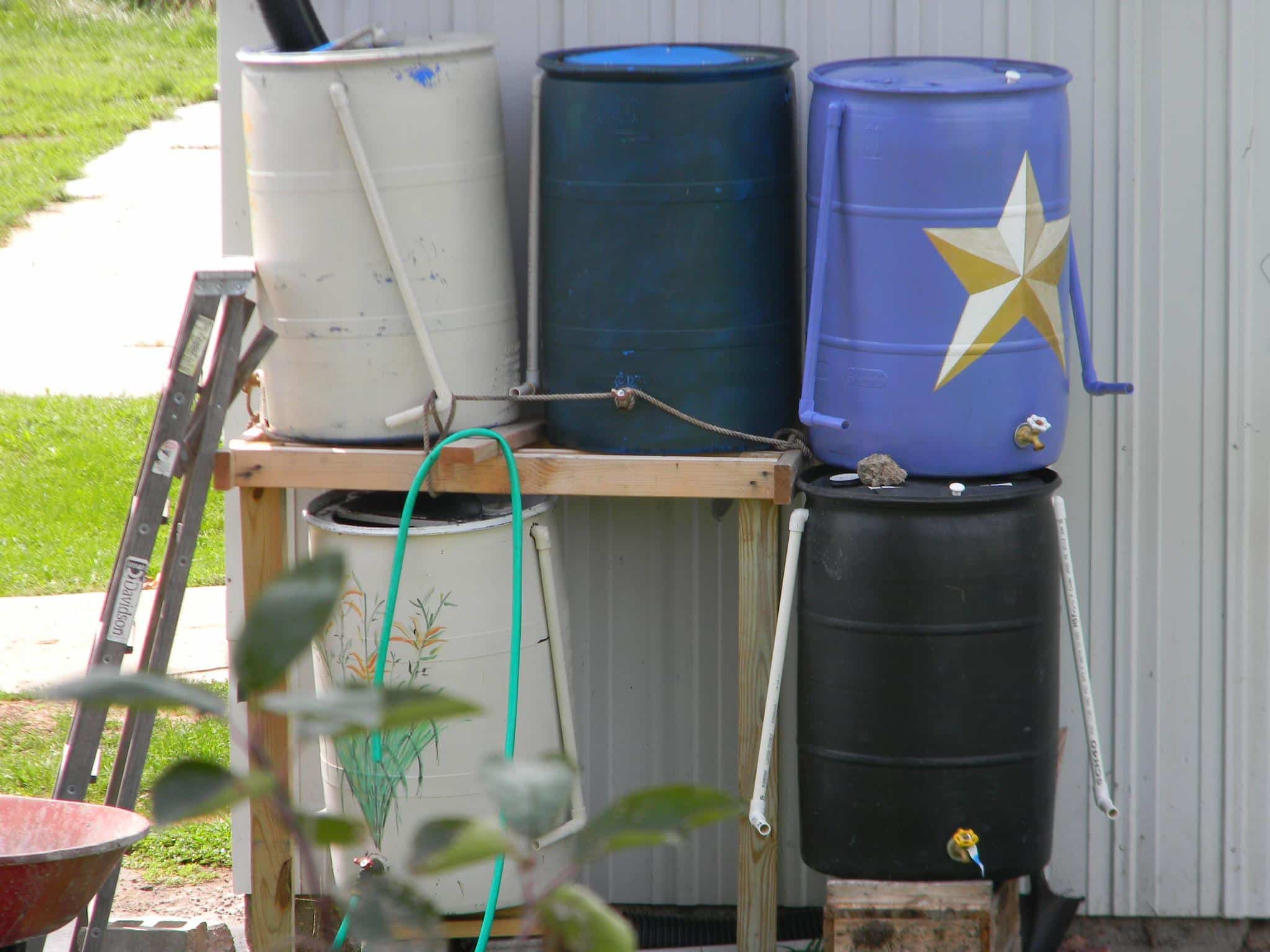
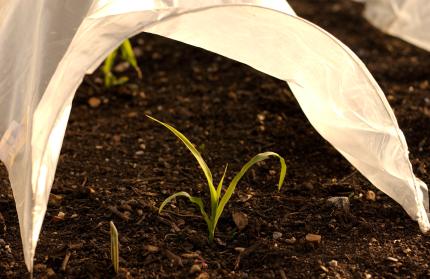
That’s why so many homestead and off-grid families obsess over seed sourcing, local mills, clean wells, and heirloom crops. It’s not aesthetic. It’s strategic. In a system that often prioritizes convenience over long-term health, self-reliance starts to look less like a lifestyle choice and more like a survival plan.
Now It Heads To The Supreme Court
The next chapter in this fight may play out in the highest court in the country. Bayer, facing billions in legal settlements, is asking the Supreme Court to rule that if a pesticide label was approved by the EPA, then companies shouldn’t be sued under state law for failing to warn about cancer risks.
Translated into plain English: “We followed federal paperwork. If you get sick, that’s not our responsibility.”
Here’s the irony. EPA reviews of major chemicals often occur roughly every 15 years and rely heavily on data submitted by the very companies selling those products. Critics have long argued that some of that data was incomplete or overly optimistic. Yet now the industry wants that same federal approval to serve as permanent legal immunity.
If the Court sides with Bayer, thousands of current and future lawsuits could vanish overnight. States that try to enforce stronger warnings or tighter protections could be overridden. For families living downwind from sprayed fields—or for homesteaders who develop serious illness after years of handling “safe” herbicides—that would mean losing the right to seek accountability altogether.
That’s not legal theory. That’s real life.
Where Off-Grid America Goes From Here
So where does that leave us, one year into MAHA, with a stack of health-focused wins on one side and a steady creep of corporate influence on the other?
It leaves us with a simple truth: no federal initiative—no matter how bold its branding—is going to save us on its own. MAHA lit a spark. It proved public pressure can stop bad policy in its tracks. But that only happened because people were paying attention, making calls, and refusing to let fine print decide their future.
If you live off-grid—or hope to someday—this is your lane. You already know how to read seed packets, test a well, mix your own feed, and live with less corporate “help.” The next step is treating local meetings, state laws, and ballots as seriously as your soil tests and seed orders.
Because in the end, MAHA was never just about a president, a slogan, or a glossy policy sheet. It was about Americans deciding they’re done being test subjects in a giant chemical experiment. That fight runs through every rural hollow, every backyard garden, every off-grid cabin catching rain off a tin roof.
The chemicals are already in the bread, in the rain, in the dust on your boots.
The real question now is simple: will we let the same corporations write the rules that govern their own accountability—or will we keep showing up until the people who promised to protect our health prove they actually meant it?