 Print
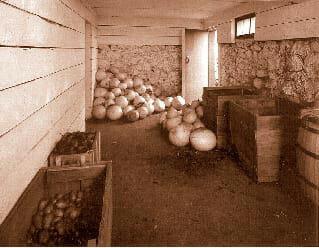
Root vegetables are like the backup calorie base. They can add bulk and nutrition when the “pantry” cannot (like when you are sick of bread). Used in conjunction with the pantry items (flour, fats, grains, starches, etc.), the root vegetables give variety and balance. They generally contain large amounts of fiber and carbohydrates and compliment fresh and frozen meats as well as the normal offerings. They are hearty and have the longest lives of any vegetables or other fresh produce IF they are stored and prepared properly.
 Ginger: It’s an incredibly hearty and healthy additive for food preparation. Specifically, it aids digestion and adds flavor, but more than that, it offers unique flavors and has many different ways to be prepared. Pickled, candied, raw, cooked, or dried, ginger has nearly all the same benefits regardless of the preparation. In all its preparations, it tastes different enough to be refreshing and offer a different side of its sweet spiciness. On the kitchen counter, ginger can last upwards of six months; in a root cellar it can last at least twice that if properly stored.
Garlic: It’s the ultimate flavoring for just about anything. Garlic is hearty but needs to be kept dry and cool. In the fridge where it is more humid, it will last for at least five months; if properly stored outside of it, it can last up to a year (though at some point it will start sprouting and should be discarded). Garlic can be used for meat, rice, beans, grains, and vegetables as a flavoring and a nutrient booster. It has many medicinal and health attributes and can be eaten raw or cooked. It can be pickled, fried, roasted, and the list goes on and on. The raw cloves can be used to add very unique flavors to yogurt and sauces, and the garlic clove lasts a long time in sauces, almost acting like bacteria repellent.
Onion: Onions should be sun “cured’ to form a hard shell on the outside, but once that is done, they can last several months in the root cellar or even on the counter. Onions can also be cut and dried to offer good usage later as a dried spice or to be reconstituted. Onion is the original spice and flavoring, and the antiseptic qualities of the juice and the sleep-inducing traits are an added bonus. They are mild enough to pair well with anything you will be cooking on the savory side, and yet they are also pungent and strong enough to stand on their own as the star of a dish like a relish or salsa. It adds variety, and all types of onions have long lasting shelf life.
Beets: Healthy and hearty, beets are unique and flavorful, but don’t confuse fresh beets with canned or jellied beets. The real McCoy is a much less sweet and much firmer vegetable, with the ability to take on flavors of stocks and other accompaniments. Beets are very utilitarian and versatile; they require little extra work to make into something spectacular. Beets can last several months on the counter if kept dry enough, including the store-bought varieties. Homegrown beets can last at least a year in a root cellar if properly stored and maintained.
Butternut Squash: If you have ever forgotten about this vegetable on your counter, you know the rind and stem protect the inside flesh for ridiculous amounts of time. The flavors are strong and rich, and the vegetable is versatile in its pairings. Proper cooking techniques will yield a flesh that is substantial yet easy to eat, and you can add a lot of variety and nutrition with this excellent vegetable. The shelf life can exceed a year and a half if properly stored, and that’s just the store-bought varieties. Homegrown butternut squash can last twice that if stored properly—certainly more than you would ever want to store it for. The same goes for other hard squashes like pumpkin (which doesn’t have nearly the shelf-life) or kombucha, which does store better than pumpkin. In the end, it is healthy, hearty, rich, and long lasting.
Don’t forget potatoes, rutabaga, turnips, carrots, sweet potatoes, leeks and parsnips, amongst other hearty root veggies. Special mention should also go to apples, which can store for incredibly long periods of time.
New Potato Sampler Available From Heirloom Solutions…
It’s important to note two things when reading this article and using it to do something with your food storage:
- Root cellars need not be a cellar, and they need not be large, but they do need to have the appropriate temperature, insulation, and humidity to make sense. Many countries where poverty is rampant use containers to keep fruits or vegetables in—including terracotta pots, old refrigerators, clean trashcans, or heavy-duty plastic buckets in place of the more “luxury” full root cellar.
- Food from the store may be suitable for some medium-range storage, but in general, you will want to segregate them from your other produce (from your garden), as some of the store-bought varieties contain diseases that can harm your untainted produce. If you use store-bought items, expect to get about half the time frame for storage and pay better attention to the signs of ripening/spoiling/sprouting so you can rectify the situation before you suffer substantial loss.
Additional information for you to know:
- Store vegetables and fruits separately, so the gases released by fruits and the odors released by vegetables don’t contaminate each other.
- Certain items like leeks, cabbages, turnips, and others can be stored in sand inside the root cellar.
- Pack the fruits and vegetables in hay or other insulation to keep it at the correct moisture and temperature.
- Frost is a killer of these fruits and vegetables; it can cause wide-scale loss in your cellar setup.
- Cabbages and other hearty, leafy greens like kale can be stored for good periods of time, exceeding three months in some cases.
Root cellaring allows fresh foods to be included without the concern for the electricity or the spoilage. The best bet is to begin working in your garden to produce these items. Harvest these for storage and only use store-bought varieties to plan for immediate storage needs.
©2012 Off the Grid News