 Print
Print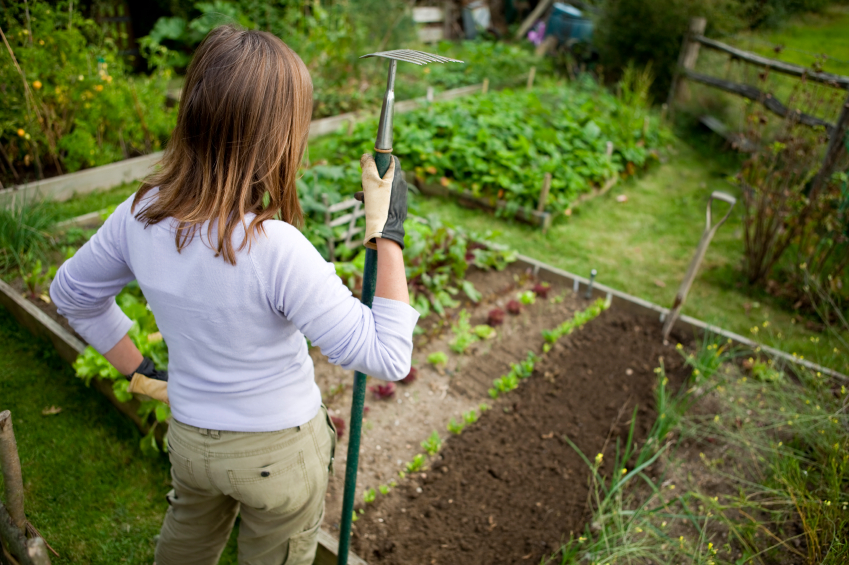

Vegetable gardening is the most popular hobby in the United States. In addition to the pleasure gardening provides, many gardeners cite a desire for organic food as a motivation in vegetable gardening. Yet, plant diseases in the garden can thwart your efforts to grow chemical-free produce.
How much your garden is affected by disease depends partly on your climate. Gardens in dry climates with cold winters suffer fewer disease problems than warm, moist climates. This is one aspect of gardening that you don’t have much control over. Fortunately, how you tend your garden also plays a big role in controlling disease.
Disease prevention starts with careful planning and garden preparation. Vigilance during the growing season can ward off major problems. Healthy, vigorous plants are much less likely to suffer from disease problems than struggling ones. If you find that you must use fungicides to control diseases, opt for those labeled safe for organic use and apply them early in the season, when appropriate. Below are more tips on maintaining a disease-free garden.
Before Planting
- Plan your garden location carefully. Place your garden in an area that gets at least six to eight hours of sunlight each day. In most areas, the south or southwestern area of your yard is an ideal spot for the vegetable garden. In the south, you can probably get away with a northern or eastern location. Place the garden where it has easy access to water.
- Amend the soil. Poor soil accounts for more than 80 percent of vegetable garden failures, yet it’s one of the few aspects of gardening that you have control over. Vegetables need fertile, well-draining loam. In clay, the roots can’t get oxygen and drown. Plants are also more susceptible to root rots and other diseases. In sandy soils, water and nutrients leach too quickly out of the soil, causing drought stress and nutrient deficiencies. Here’s an easy way to amend the soil: make raised beds out of wood, rock or other materials. You can even make raised beds if you prefer. When adding soil to the bed, alternate regular garden soil with layers of compost, dried leaves and peat moss. Then, annually, add an additional 2 inches of compost to the soil surface. Add in a balanced fertilizer every year before planting, based on your soil type and fertility.
- Choose disease-resistant plants. Whether you start seedlings yourself, buy nursery transplants, or seed directly in the garden, good plant selection is vital to keeping a healthy garden. Talk with a county extension agent or visit your state’s master gardener site to learn about plants that are adapted to your region. Look for plants or seeds that are known for their disease resistance. Tomato varieties, for example, might be labeled VN or VNF, which indicates the plants are resistant to specific diseases. Buy transplants that are short and stocky and avoid those that are leggy. Avoid any that have pale, yellow or blemished leaves. Heirlooms are particularly hardy because they’ve stood the test of time.
The Secrets Of Sea Minerals To Grow More “Nutritionally-Dense Food” Than You Can Possibly Eat!
During The Growing Season
- Plant seeds and transplants at the appropriate time. Cool-season plants like carrots, lettuce, spinach, and peas grow best in spring and fall. Plant them about four weeks before the last expected frost. Plant warm-season vegetables, such as beans, tomatoes, peppers, and pumpkins only after the last expected frost. Planting these crops early often stunts their growth and makes them more susceptible to disease.
- Spread floating row covers over plants or use hoop tunnels. Floating row covers and hoop tunnels can keep out many insect pests. They also protect young plants in the spring from late frosts and chills. Remove the covers during the heat of summer and when the plants are blossoming so pollinators can reach them.
- Space plants according to the seed packet directions. Plants spaced too closely together compete for water and nutrients and are also more prone to disease. Air should circulate freely.
- Separate plants that belong to the same family because these plants usually carry and spread the diseases. For example, separate tomatoes, peppers, and eggplants, as well as cucumbers, melons and pumpkins. Remember to rotate crops so they don’t grow in the same location from year to year.
- Keep the plants dry and avoid working in a wet garden because many diseases are spread by wet leaves. Use soaker hoses instead of overhead irrigation and water early in the morning.
- Mulch the soil with untreated grass clippings, straw, or black plastic. Mulch offers so many benefits. It keeps weeds down, which can harbor disease, and it also keeps the soil moist. Organic mulches build the soil as they decompose and they keep plants off the bare, wet ground.
- Control insects that spread disease. Many insects can spread disease from weed plants to the vegetable garden. For example, aster leafhoppers can spread aster yellows from dandelions to carrots.
- Remove diseased plants immediately and bury them away from the garden or bag them and dispose of them. Don’t compost them. In most cases, there is no cure once a vegetable plant becomes diseased. Your best bet is to remove it before it infects other plants.
- In moist, humid climates you may have to resort to fungicides to control diseases. Most fungicides work best to prevent disease, rather than to cure existing infections. If you know that your cucumber and melon crops always succumb to powdery mildew, for example, start a spray program mid-season, when powdery mildew usually appears.
- Water vegetable crops regularly. When plants are drought stressed, they are more susceptible to disease. They also suffer more non-pathogen problems. For example, tomatoes that are subjected to alternate periods of drought and overwatering might develop blossom end rot. Water two or three times each week, as needed to keep the soil moist 1 inch beneath the soil surface.
- Trellis or stake vegetables when possible. Fruiting vegetables that sprawl on the ground are more susceptible to disease. Trellis tomatoes, cucumbers and small melons. Try growing pole beans instead of bush beans.
- Harvest vegetables as soon as they become ripe. Don’t allow fruit to remain on the vine to rot, which attracts insects and makes your garden more susceptible to disease.
After The Harvest
- Remove every last bit of plant debris from the garden and compost it. Don’t add diseased plants to the compost bin, though, because the composting process might not kill the pathogens.
- Wash trellises and cages with hot soapy water if the plants suffered from disease. You don’t want these pathogens lingering around.
- Make records if you haven’t already of where you planted crops so you can rotate them the following year.