 Print
Print
Cats and dogs are always checking out their surroundings by taste, especially puppies and kittens. Unfortunately sometimes our pets decide to eat something they shouldn’t – especially when it’s on a farm or homestead, where there are lots of options.
Some of the most common toxins are plants that can be found right in the garden, around the yard and in the house.
Here are 10 common plants that are toxic to cats and dogs, as well as other pets.
1. Lilies
Lilies are beautiful flowers to say the least and are especially popular during Easter. Unfortunately these flowers are extremely toxic to cats, even if they just taste a nibble. Nearly all types of popular lilies will cause kidney failure if ingested. Keep these flowers well out of reach of your cats. If you only have dogs, you don’t need to worry.
2. Tulips
Tulip flowers are fairly safe, it’s the bulbs that are toxic. If a dog eats the flower or stem they may experience some indigestion. Eating the bulb, however, can cause severe stomach irritation, drooling, heart palpitations, seizures and even damage to the central nervous system.
3. Oleander
Oleander is an attractive shrub/small tree in the dogwood family that is fairly common. These shrubs are highly toxic and dangerous for cats, dogs and equines. Symptoms from eating oleander may vary depending on the species, but typically will result in colic, bloody feces, difficulty breathing, tremors or shaking, uncoordinated movements and even complete cardiac failure.
The Best Source For Non-GMO Heirloom Seeds Is Right Here!
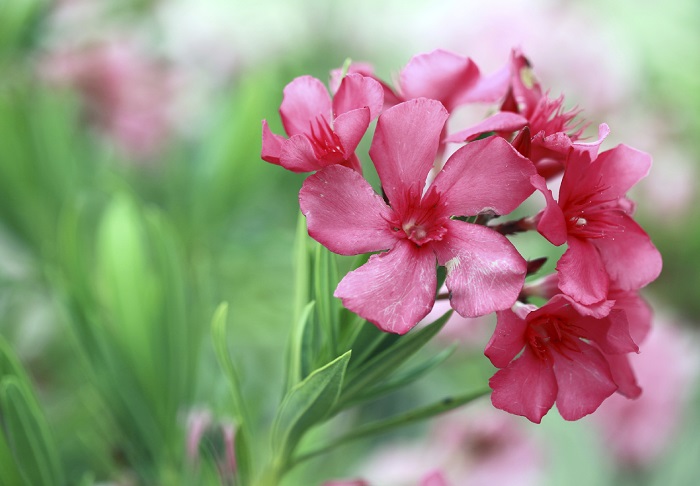
This shrub’s taste isn’t very appealing to cats and dogs but horses can be very tempted. Don’t plant this shrub around areas your equines can access.
4. Azaleas
Azaleas are poisonous to pretty much all pets and livestock. Their toxicity levels vary depending on the species, but generally the plant is considered to be highly toxic. Eating the leaves of azaleas causes severe digestion issues, depression, paralysis and inability to stand. Particularly bad cases lead to a coma followed by death.
5. Yew
The Yew tree is dangerous to nearly all animals but is particularly dangerous to equines. The only part of this tree that isn’t dangerous is the fleshy part of the berry. This tree shouldn’t be kept around livestock pastures. Yew affects the central nervous system dramatically and can lead to cardiac failure and death.
6. Ivy
Many types of ivy are toxic to dogs and cats, including English, branching, California and sweetheart varieties. The leaves of the ivy plant are more dangerous than its berries.
Could This All-Natural ‘Detox’ Capsule Have Extended John Wayne’s Life?
However, the berries also can cause health problems. Ingesting ivy isn’t usually fatal but will cause vomiting, loose stools, drooling and your pet may feel sensitive when its stomach is touched.
7. Pothos
Pothos are common in the yard as much as they are in the house. These easy-to-care-for plants aren’t significantly toxic to cats and dogs but can cause some unpleasant side effects. Chewing or swallowing leaves can lead to vomiting, drooling and irritation of the mouth.
8. Morning Glory
Morning glory flowers and vines are hallucinogens for dogs and also can cause stomach pain, trembling and ataxia. Dogs also might act confused, agitated and/or irritable, as well as stop eating.
9. Tomato
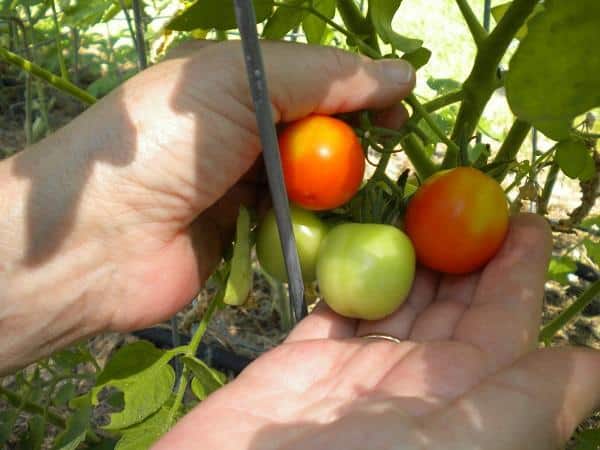 This may be surprising to some, but one of the most popular vegetables that gardeners grow is bad for cats and dogs. Tomato plants aren’t lethal but are considered to be mildly poisonous. Dogs and cats may appear to be uncomfortable and drowsy, followed by stomach problems and drooling. Diarrhea is also common as is general weakness and dilated pupils.
Finally, there is a myth that a single poinsettia leaf can kill your cat or dog. These beautiful festive plants should be kept out of reach of pets, but ingestion will generally cause only moderate issues (unless a large portion is eaten). If your cat or dog happens to take a nibble you may find that their mouth is irritated and they have some vomiting. A stomachache also is typical.
If you have some of these plants around your property, just take precaution if they are in reach of pets. More toxic plants should be removed or relocated to a location that is inaccessible to your pets and livestock. Those of you with kittens or puppies should be extra careful since chewing on a leaf is much more tempting (and dangerous) for these little guys.
Always take the time to look up whether a new plant will be safe to have around your animals. Spending a minute doing some online research is better than winding up at your veterinary office — or worse.
What plants would you add to the list? Share your thoughts in the section below:
Don’t Ever Plant Anything Except Heirloom Seeds. Read More Here.