 Print
Print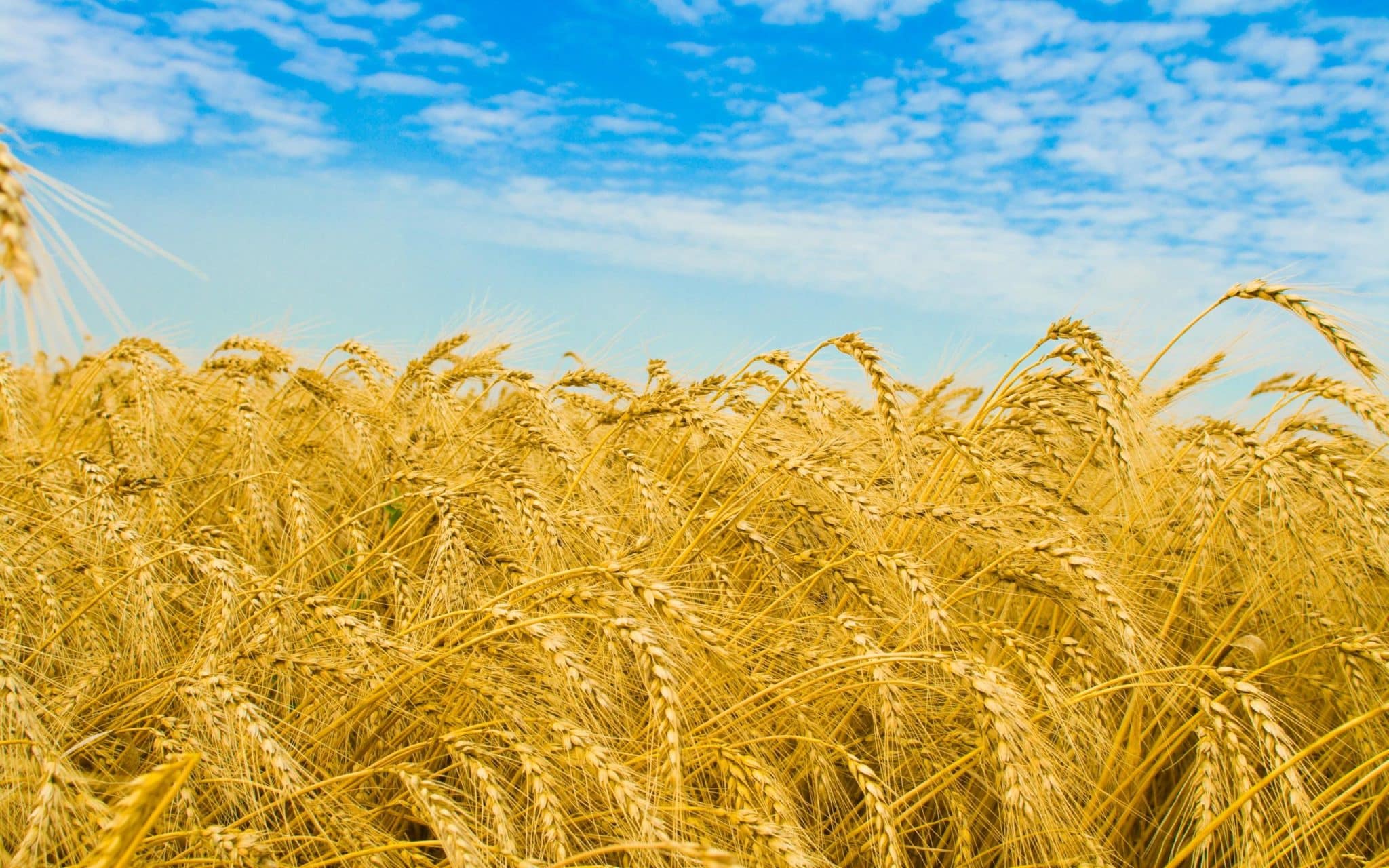

GMO wheat found recently in Oregon is now believed to have been stored in a government-controlled facility until at least the early days of 2012. The US Department of Agriculture (USDA) investigation into the genetically modified wheat reportedly revealed that the Oregon wheat was kept at the National Center for Genetic Resources Preservation in Fort Collins, Colorado.
Documents relating to the storage of the genetically engineered wheat obtained by Reuters include details between the Colorado government-controlled facility and Monsanto. The National Center for Genetic Resources Preservation facility can reportedly maintain seeds for decades without losing any of their viability. Such a seed preservation time span cannot allegedly be reached at a conventional storage facility.
Monsanto has called the GMO wheat found in the Oregon field an act of sabotage. The biotech giant reportedly claimed previously that someone had covertly gained access to the GE wheat, which had been made to be resistant to Monsanto’s top-selling Roundup Ready pesticide. The company further maintained that the genetically modified wheat planted in Oregon was specifically done to damage Monsanto’s work with biotech crops.
The GE wheat was developed by Monsanto between 1998 and 2005, but was never approved for commercial sale. The preservation of the wheat at a government-controlled facility in Colorado seems to fly in direct contradiction with a statement from the biotech company that was released after the discovery in an Oregon field:
“At our direction, the seed was destroyed … as it was old material and we had no plans for its future use. What happened in this field is suspicious.”
Monsanto Chief Technology Officer Robb Fraley went on to state that the grain found in the Oregon field was “clean” and that the “situation was extremely isolated.”
Monsanto officials also stated that the as far as they knew, the GMO wheat had been incinerated at the National Center for Genetic Resources Preservation facility on January 5, 2012. The Fort Collins facility reportedly accepted 43 containers of the GE wheat for storage. The biotech company’s containers held more than 1,000 “unique varieties” of seeds. Some of the genetically modified wheat was also stored at a company facility in St. Louis.
New Survival Seed Bank™ Lets You Plant A Full Acre Crisis Garden!
The USDA is now scrambling to determine if all of the genetically engineered wheat has been both accounted for and destroyed. As previously reported by Off The Grid News, wheat prices fell sharply after the genetically modified wheat was found last month in an Oregon field. American farmers further suffered financial loss when a host of companies cancelled wheat orders due to the fear that GMO wheat had contaminated the crop on a large scale.
The federal agency is also looking into how the Monsanto GMO wheat was handled and transferred to the National Center for Genetic Resources Preservation in 2004. When the storage contract was inked between the Colorado seed preservation facility and Monsanto, the biotech company was supposedly in the process of closing down the Roundup Ready wheat.
An excerpt from the National Center for Genetic Resources Preservation (NCGRP) mission statement reads:
“The mission is to acquire, evaluate, preserve, and provide a national collection of genetic resources to secure the biological diversity that underpins a sustainable US agricultural economy through diligent stewardship, research, and communication. Our overarching mission is to provide secure long-term preservation, and documentation of diverse genetic resources for US food and agriculture. We accomplish this through a wide range of industry, university, and ARS collaborators all working toward the development of robust plant and animal genetic security. Globally, we back up plant and animal collections for other nations and participate in the development of globally accepted policies and protocols for genetic resource management and utilization. Our collections not only safeguard commercially important crops, crop wild relatives, and livestock, but also rare and endangered varieties and breeds.”
GMO wheat surely should not be considered a commercially important crop. The mere hint that such a genetically modified crop had stepped near the marketplace caused both more Monsanto backlash and a loss of revenue for farmers. The relatively unknown government-controlled agency in Colorado likely has major security issues if a GMO crop did escape the facility and wind up in an Oregon field.
The NCGRP is an arm of the US Department of Agriculture, so the USDA is essentially investigating themselves when reviewing the handling of the Monsanto GMO wheat seeds, prompting any findings to be viewed at least somewhat skeptically.
Preparedness author Ron Foster had this to say about the GMO wheat preservation at the USDA-controlled facility in Fort Collins:
“It is a sign of the times that we must worry about viruses and GMO plants escaping from labs. What is most tragic is the types of plants and viruses the so-called scientists or mad doctors are allowed to play with. A slate-wiper type of event can occur by one of these so called ‘mistakes’ very easily. We know that Iran and Iraq created agricultural bio weapons like ‘wheat smut’ in order to wipe out Americas wheat belt. Now we have to worry about what Monsanto has in store for our heartland. Wheat smut— a fungus—attacks wheat plants, reducing crop yield per acre and imparting to it a foul, fishy odor. Instead of producing pollen, wheat plants infected by Agent D produce a black spore, which is carried by the wind to nearby uninfected wheat plants, thereby infecting them too. But smut-infected wheat can be fed to cows, pigs, and chickens, without ill effects. That’s because neither the fungus nor the infected grain produces chemicals toxic to animals. Some weapon of mass destruction!”
The survival training experts at Personal Readiness Education Programs (PREP) noted the ongoing Monsanto GMO wheat scandal is yet another reason to grow fruits and vegetables in our own backyards and that genetically modified crops were started with the stated purpose of “feeding the masses” but have gotten out of control.
Growing our own crops is most undoubtedly the best way to go, but unfortunately, the spreading of seeds and pesticides via wind, flooding, and the natural routes of bees and birds, make it almost impossible to ensure a truly healthy and organic crop in our modern world. Monsanto and other leading biotech companies can continue to claim that genetically modified crops are necessary to feed the masses and chastise those who oppose GMO food as uncaring about the hunger of those living in poverty, but once again they would be oh so wrong. Less than two weeks ago I planted very inexpensive organic heirloom seeds, and my corn is almost knee-high already. GMO seeds are not even remotely necessary to generate enough crops to feed the world’s population. My family will have plenty of healthy non-GMO vegetables to eat courtesy of my very novice gardening efforts.