 Print
Print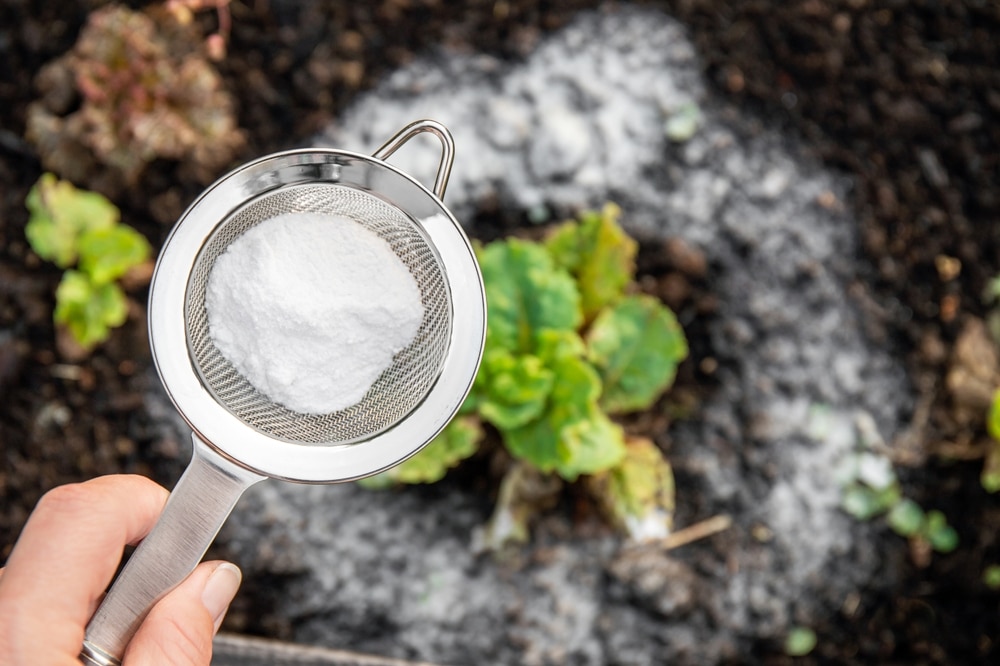
When Spring Wakes Up… So Do The Bugs
With longer days and warmer temperatures, spring brings a welcome burst of life to gardens and yards. But along with budding flowers and chirping birds comes a seasonal surge in insect activity.
Across the country, homeowners are noticing swarms of ants, trails of beetles, and a particularly aggressive return of ladybugs… or, more precisely, their look-alikes: the invasive Asian ladybeetles. These pests are more than a nuisance. They creep into homes, swarm on siding, and even bite.
Now is the perfect time to act. Spring is not just bug season—it’s prevention season. One of your arsenal’s safest, most effective tools is a humble white powder known as diatomaceous earth. Its proven effectiveness should give you confidence in your pest control efforts. And the best part? It’s non-toxic, so you can use it with peace of mind, knowing you’re making a safe choice for your family and the environment.
What Is Diatomaceous Earth and Why It Works
Diatomaceous earth (DE) is a fine, chalky powder made from the fossilized remains of tiny aquatic organisms called diatoms. Although it feels like flour to human hands, it’s razor-sharp on a microscopic level.
When insects crawl through DE, the particles slice through their exoskeletons, absorbing their protective oils and causing them to dehydrate and die within hours. When used correctly, it’s a purely mechanical process, not a chemical one, making DE non-toxic to people, pets, and wildlife.
The Spring Swarm: Bugs to Watch For
In addition to the notorious ants and lady beetles, this season, expect to see a wide variety of insects emerging as the soil warms. Earwigs begin to scurry under mulch. Spiders venture from their winter hiding spots in search of prey.
Centipedes, millipedes, and pill bugs (roly-polies) appear in damp areas. Silverfish may dart across bathroom floors. Stink bugs and boxelder bugs resume their slow march across window sills. Even fleas and ticks, dormant through the winter, awaken with a vengeance. Early action can keep these critters from taking hold in your home and garden.
Prevention: The Best Spring Strategy
The key to using diatomaceous earth effectively is timing and placement. Apply it early in the season, before infestations begin. Sprinkle a thin line of DE around your home’s foundation, paying special attention to cracks, entryways, and window sills. Indoors, dust it behind appliances, along baseboards, and in corners where bugs like to hide.
Outdoors, DE can be used in flower beds, around garden borders, and compost bins where bugs congregate. If you have chickens or other livestock, sprinkle DE in coops and nesting boxes to control mites and lice naturally.
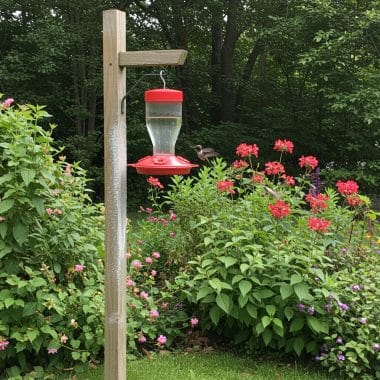
One favorite trick of gardeners and bird lovers is to coat the poles or ropes holding hummingbird feeders with a dusting of DE. Ants may love sweet nectar, but they won’t cross the barrier.
Special Notes on Use Around Pollinators
While DE is safe for people and pets, it can also harm beneficial insects like bees if they come into direct contact with it. To protect pollinators, avoid dusting open flowers or applying DE when bees are active during the day.
Early morning or evening applications are best. Apply directly to soil or non-flowering parts of plants, and always use food-grade diatomaceous earth for garden or home use—not the kind used in swimming pool filters, which are chemically treated.
Reapplication and Weather Considerations
Rain will wash DE away, so plan to reapply after heavy showers. Wind can also blow the powder out of place, so gently misting it with water can help it stay put without compromising its effectiveness. Once the powder dries, it continues to work its magic.
Unlike synthetic sprays or baits, DE doesn’t lose potency over time. As long as it’s dry and undisturbed, it remains effective indefinitely. Think of it as a standing army guarding your home’s perimeter, providing you with a sense of security and protection.
Diatomaceous Earth as Part of a Larger Spring Strategy
Using diatomaceous earth in the spring isn’t just about reacting to insects—it’s about staying ahead of them. As temperatures rise, insects become more active and seek food, moisture, and nesting sites. A well-timed DE application can prevent infestations before they start.
With other non-toxic practices like reducing clutter, sealing entry points, and keeping areas dry, DE gives you a powerful and chemical-free way to protect your home and garden from unwanted guests.
Natural Defense for a Season of Growth
Spring should be a time of renewal, not a season of swatting and spraying. With diatomaceous earth, you can welcome the warmth and the blooms without opening the door to a parade of pests.
It’s simple, effective, and safe—just what every home needs as nature wakes up.