 Print
Print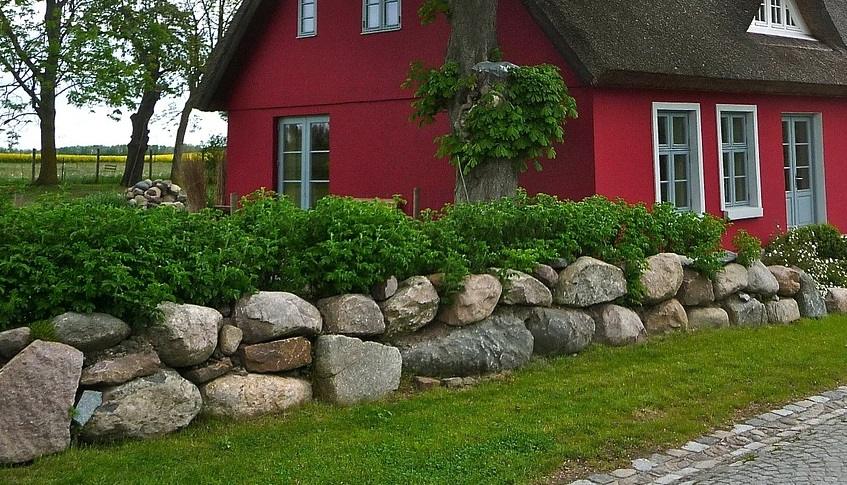
A quick drive through the countryside provides a glimpse at perfect fields, some still outlined with old growth trees. While the sight is common, more and more of these fence rows are being uprooted for modern fencing and big agricultural endeavors.
Living fences, made up of many types of trees, bushes and vines, have been utilized for centuries as an effective way to separate livestock, protect gardens and orchards and designate borders and public spaces. Although seemingly outdated, these fences are very efficient and provide many additional benefits.
Though not a quick solution to your fencing needs today, investing time and effort into growing and maintaining a living fence is rewarding for many homesteaders. Living fences, also known as hedgerows, involve a dense grouping of trees, shrubs and other plant life that form a barrier between areas on the homestead. These living fences take a few years to establish, but they can be sustained for hundreds of years with proper planning and ongoing maintenance.
We’re not just talking about the beautifully trained espalier fruit trees that provide minimal ornamental fencing, but hardy trees and shrubs, both fruiting and non-fruiting, that are combined to create barriers that are strong enough and tall enough to even control larger livestock.
Why bother establishing living fences on your homestead? In short, living fences add much good to the land. They provide privacy, security, livestock control and serve as windbreaks, and also help purify the air and balance accessible nitrogen in the soil. Depending on the species selected for cultivation, these fences can provide food for the homesteader, fodder for their livestock, and may be selectively harvested as a source for fuel. The root system of an established hedgerow along waterways and other contoured landscaping will reduce or completely eliminate soil erosion. Furthermore, the presence of this dense vegetation tends to keep the rodent and pest populations in check.
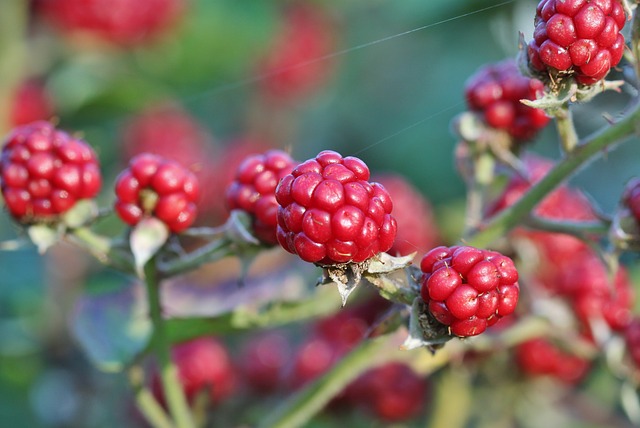
Urban homesteaders can benefit greatly from incorporating living fences into their plans. In addition to providing privacy, these fences reduce noise pollution, produce enough shade to lower utility costs and clean the air by trapping dust and other airborne contaminants. Dwarf fruit trees thrive as part of living fences, allowing urban homesteaders to glean a modest fruit harvest from necessary fencing without sacrificing valuable space for other endeavors.
There are numerous trees, shrubs, vines and hardy perennials that will thrive when grown as part of a hedgerow. As with most homesteading additions, planning the exact location and determining the intention for the fence will guide your species selection. Fencing needs will vary depending on the average size of your livestock, or based on the type of wildlife you expect to prevent from destroying your crops.
By far, the most popular species for quickly establishing hedgerows is the Osage orange tree, or hedge apple tree. It is a dense tree that provides a strong windbreak and excellent livestock control. Natural pest control, superior wood strength and hardiness in a wide variety of soil conditions make the Osage orange a good choice for many homesteaders. Other popular choices for living fences include honey locust, black locust, autumn olive, hawthorn and blackthorn.
Discover More Than 1,000 Off-Grid-Living Tricks!
Fruit trees, such as apple, peach, pear and cherry, are easily incorporated into living fences. Willows, hazelnut and many others with pliable branches, can be inosculated, or grafted together to form a tight barrier. One distinct advantage to this type of fence is the development of the root system. As the trees grow into each other, they begin to utilize the root system of every grafted tree. This allows the hedgerow to continue to thrive, even if the root system of one individual tree dies.
Maintaining the fence or hedgerow is a must. Depending on the species growing in the hedgerow and the livestock being raised on your homestead, pruning may be as simple as allowing your livestock to graze the fence back. This will take careful monitoring to ensure it is not overgrazed, and some additional pruning may be necessary. Otherwise, heavy pruning is necessary to keep fencerows in check. Much of the pruning can be added to livestock feed, turned into mulch or even used to start new fences.
Do you incorporate living fences on your property? What advice would you add? Share it in the section below:
Every Spring, Gardeners Make This Avoidable Mistake — But You Don’t Have To. Read More Here.