 Print
Print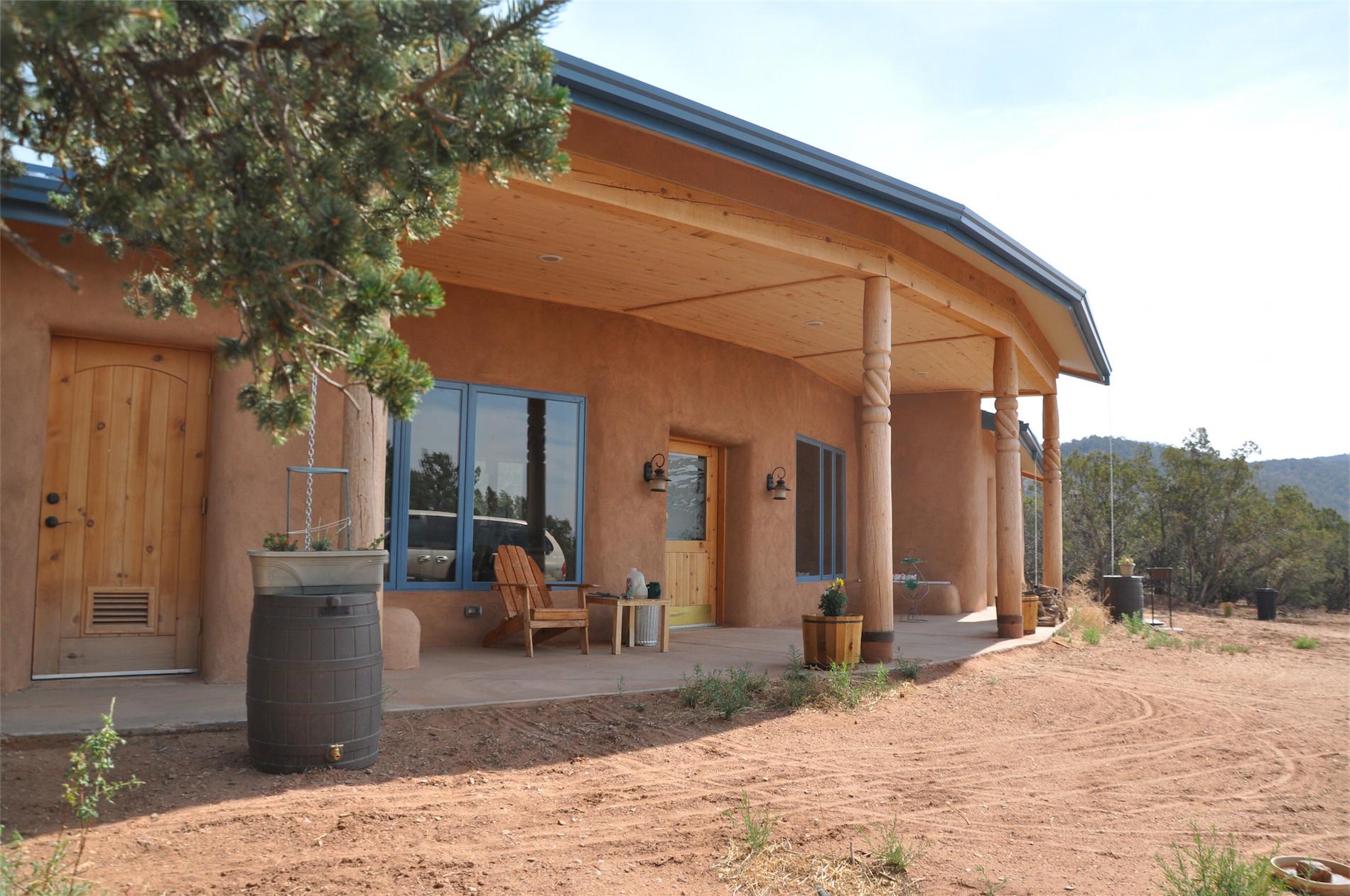
Are you in the market for a new home and considering starting from scratch with all-new construction? If so, then you are most likely considering ways to make your home as energy efficient as possible while still maintaining a strong aesthetic appeal.
One of the best ways to do this is with a straw bale home – a design that is growing in popularity among homesteaders and those who prefer an off-grid and rural life.
Let’s look at the pros and cons:
Pros
1. Superior energy efficiency.
Straw bales are an extremely dense material that act as a tremendous insulator. In general, most walls constructed using straw bales have an R-value of around 26, which is almost twice what most local codes require. This high level of insulation capability means that homes constructed using straw bales as the basis for their walls can save you up to 75 percent on heating and cooling.
2. Fire retardant.
Straw bales are an extremely dense material when packaged correctly, making oxygen – the fuel for a fire – touch to reach. A home which utilizes straw bales in its construction stands a far better chance when faced by fire than a traditional stick-built home. The density of the bales themselves makes these walls difficult to burn, as only the outside of the bales will char while the center remains intact.
Story continues below video
3. Inexpensive.
If you can find a local farmer from whom you can source bales, then the cost per bale should be minimal. As it is a secondary product found on most farms across the lower 48 states, chances are that there is a ready supply, close at hand.
Discover More Than 1,000 Off-Grid-Living Tricks!
If you are able to source your bales locally, then you also have the added benefit of supporting the local economy as opposed to one of the large corporate chains.
4. Easy to use.
With a little research, many people find that straw bale construction is relatively easy. The general practice, depending on your intended purpose, is to stack the bales atop one another and secure each in place by means of rebar or other materials. The wall is still framed in the traditional manner, although the studs are spaced out at different intervals.
Cons
1. Uncommon building material.
Straw bale construction, although an ancient practice, is still relatively new to many people today. That being said, many contractors have little to no experience in working with straw bales and may therefore be hesitant to undertake any project requiring their use. Straw bale walls also will require a strong plaster exterior in order to ensure their durability. Plaster work is less and less common these days, and may likewise deter contractors who are unfamiliar with how to work with this material.
Story continues below video
2. Weight.
Straw bales can be extremely heavy – especially when having to move them over a considerable distance. If your idea is to use a construction material that is both environmentally friendly and affordable, but you cannot find them locally, then you may incur substantial costs by having to source them from distant regions.
This weight can make shipping straw bales not only an inconvenience, but a financial concern, as well. Another concern regarding the weight of straw bales is that they can become difficult to stack as walls become taller. Specialized machinery may be needed.
3. Water issues.
While straw bales are a wonderful fire retardant, they are highly susceptible to the ravages of water. When a straw bale becomes wet, it can quickly develop mold which can then further damage a home. Straw bales are also a less-than-desirable option for areas of high moisture and humidity. It takes special sealants to ensure that the walls contain the correct amount of ventilation as well as remaining impermeable to water. Although any home can become severely damaged by water, the issue is more problematic with straw bales.
4. Permits.
Due to the unfamiliarity of using straw bales in construction, some town officials may be hesitant to issue permits or to pass inspections due to this material. Some local codes do not take into account the use of straw bales as an effective building option, making securing the needed documentation all the more difficult for contractors and homeowners.
Considering all of this information, straw bales may or may not be the ideal material for you to use in your new construction. If your building plans align with the positive aspects for using straw bales in your construction, then consider them as a strong contender for their unique capabilities. However, if you have concerns and are unsure of a supply, you may want to continue to seek out either locally qualified professionals or find an alternative material to use.
What advice would you add about straw bale home? Share it in the section below: