 Print
Print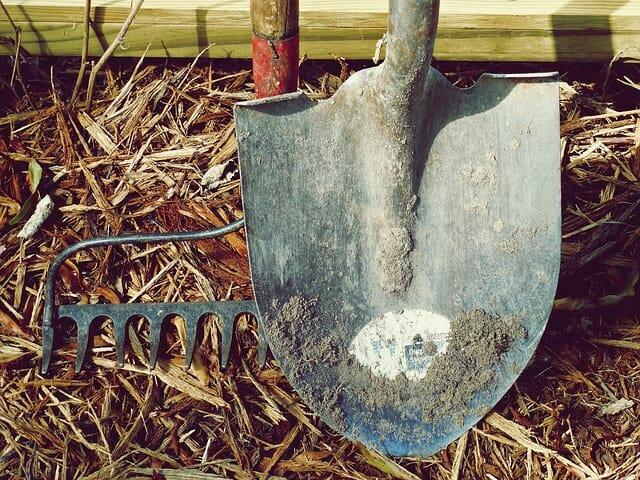
Garden tools perform some hard, dirty jobs for us. But by the end of the summer they often need maintenance or at least a good cleaning.
Before you hang up your tools for the winter, take some time to get them in tip-top shape. Following the steps below during the end of fall will mean a faster and easier start to next spring’s gardening season. It also will save money in the long run, since tools kept in good shape won’t rust and won’t need to be replaced as often.
1. Clean and dry
If any of your tools have dried soil caked, pull out a wire brush and give them a good scrubbing. If necessary, dunk or soak the tools in a bucket of warm water to loosen stubborn soil (soap isn’t necessary).
Tree-trimming tools — like pruning shears or clippers — should be wiped down. If there’s any sap on those tools, they will need a little extra work. Sometimes, a soak in hot water is all that’s needed to remove sap, but if it’s stubborn, you may need to use another product to get it off, like turpentine, WD-40, Pine-Sol, or a solvent that’s specifically for dissolving resin (check the chainsaw section at your local home improvement store).
An All-Natural Fertilizer That Can Double Garden Production!
Once all your tools are clean, spread them out in the sun to dry or give them a good rub down with a cloth.
2. Remove rust
Even if you take good care of your tools, rust happens. But a rusty tool doesn’t need to be tossed. Small spots of rust can be scrubbed off with steel wool or a wire brush. Heavily rusted tools are perfect candidates for the wire brush attachment on your drill. (Since this attachment often throws off small bits of wire, make sure to wear eye protection.)
3. Sand and sharpen
Sanding down wooden handles helps remove splinters and also smooths out the rough, raised grain that happens when wood gets wet.
Most metal garden tools — including pruning shears, clippers, shovels, spades, hoes, pitchforks and hand trowels — have some sort of blades. Keeping all these blades sharp will make your work easier. And, in the case of tools (like shears and clippers) that cut plants, a sharp cut is easier on the plant, too.
All you need to sharpen your garden tools is a mill file, which is a long, flat metal file. Use the existing bevel on the edge of the tool’s blade as a guide. Place one end of the file on the bevel and push the file, using light, even pressure, against the bevel and away from your body. After each stroke, move the file to the next spot. Once the blade is completely sharpened, use 300 grit sandpaper to remove any “burrs” (tiny shreds of metal) clinging to the blade.
4. Sanitize
Sanitizing isn’t necessary for extending the life of your tools, but it is one of the most important things that you can do for your garden. Sanitizing will rid your tools of fungi and pathogens so that you don’t transfer those to your plants in the spring. Mix one part bleach to 10 parts water in a bucket, and swish each tool through the water. Once sanitized, your tools will need to dry in the sun again or be wiped down with a towel.
5. Season with oil
Both the wooden and metal parts of your garden tools should be treated with oil. Although virtually any kind of oil will do (including WD-40 and motor oil), boiled linseed oil is the best choice for tools that come in contact with food-producing plants. (In a pinch, vegetable cooking oil is an effective and safe alternative.) Use an old cloth or towel to liberally spread oil over all metal and wooden parts of your tools, and let the tools sit for about 15 minutes before wiping them dry. Oiling helps prevent metal from rusting and wood from cracking, and it’s a great way to extend the life of your tools.
6. Store wisely
A dry environment is a must for overwintering your tools. And, if at all possible, hang your tools up. Tools that are stored resting on their blades (such as spades) or that are tossed onto a pile with other tools are more susceptible to damage.
Alternately, storing tools in a bucket of sand and vegetable oil can help prevent rust, keep tools clean, and even help keep tools sharp, since pushing them into the sand has an abrasive action on the blades. Mix about a half gallon of vegetable oil into five gallons of sand and shove in anything with a blade — from shovels and trowels to pruning shears.
Although I, for one, often feel “gardened out” by the time late fall rolls around, spending a few hours on an autumn afternoon cleaning and preparing garden tools for winter storage will be well worth it come spring.
Do you have any other tips for storing garden tools? If so, let us know in the comments below.