 Print
Print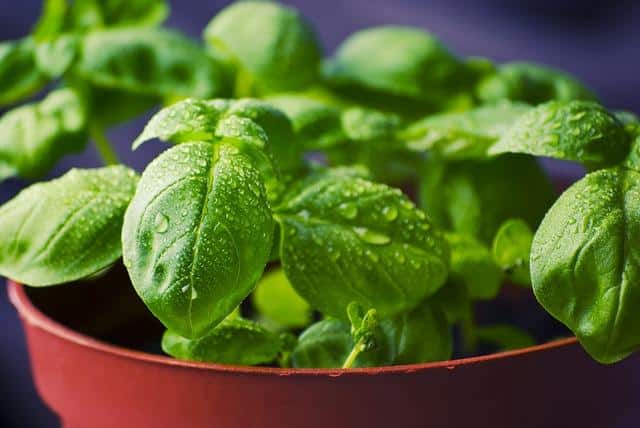
With several months until spring arrives, it will be a long while before most of us can harvest anything from our gardens. Fortunately, there are a number of herbs that we can grow throughout the winter that can provide not only a bit of the greenery that many of us miss this time of the year, but can also help to keep us healthy all winter long.
The following are just a few of the herbs that you can grow indoors during the winter.
1. Aloe vera
Aloe has a legendary reputation for healing burns and sunburns. Because it contains compounds that promote rapid healing and tissue repair, it is also useful in helping the body to heal from insect bites and stings, rashes, eczema, acne, skin ulcers, and skin inflammation due to poison oak and poison ivy. Other uses of aloe include arthritic pain and bursitis, and soothing inflammation.
How to grow aloe indoors during the winter:
Without A Doubt The Best Kept Secret In Indoor Self-Reliance Gardening…
Aloe does best when located near a sunny south-facing window. It prefers well-drained soil and moderate watering. Aloe is not frost-tolerant, so be sure to protect it from chilly drafts.
2. Holy basil (tulsi)
Holy basil is classified as an adaptogenic herb (a special class of herbs that helps to bring overall balance and restore vitality to the body), so its uses are almost endless. It has traditionally been used in Ayurvedic medicine for thousands of years as an overall body tonic that works especially well at protecting the brain, nervous and respiratory systems. Holy basil can be especially helpful when doing any sort of detoxification protocol.
How to grow holy basil indoors during the winter:
Holy basil is easily started from seed in soil that is above 50 degrees Fahrenheit. It is quite sensitive to cold temperatures, so be sure to keep it in a sunny place where it will not be subjected to cold drafts. Pinch off the flowers to encourage the plant to put its energy into leafy growth that you can use for making tea or other herbal remedies.
3. Parsley
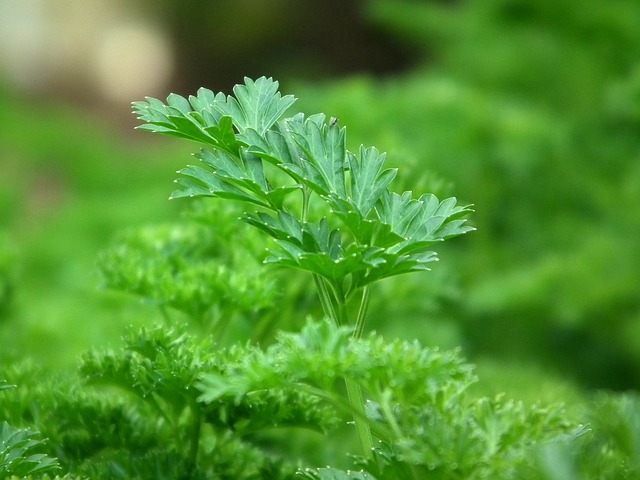
Parsley is rich in chlorophyll, vitamins and minerals that can help to treat iron deficiency, anemia and fatigue. It is a useful herb for supporting bladder and kidney health, and also helps to dry up mother’s milk during the weaning process. It makes a tasty addition to fresh salads, and helps to freshen breath. Parsley goes well with many beef, poultry, fish and vegetable dishes.
How to grow parsley indoors during the winter:
Parsley needs at least six hours of sunlight, and a temperature range of 55-75 degrees Fahrenheit to grow successfully. Water it about twice a week, or whenever the soil feels dry.
4. Oregano
Oregano adds wonderful flavor to Italian and Greek dishes. It can help to battle stress and irritability, as well as insomnia due to tension and stress. Oregano is a good herb to help support the immune system when faced with bacterial or viral infections.
How to grow oregano indoors during the winter:
Oregano needs 6-8 hours of sunlight each day, a temperature range of 55-75 degrees Fahrenheit, and well-drained potting soil. Water when the soil feels dry, about once per week. Do not overwater, as too much moisture will cause the roots to rot.
Frequent trimmings will lead to bushier, healthier foliage.
5. Chives
Chives are an easy-to-grow herb in the onion family that can be used in a variety of dishes and culinary applications.
How to grow chives indoors during the winter:
Chives require 4-6 hours of sunlight per day, and a temperature range of 55-75 degrees Fahrenheit. Water the plants twice per week, or when the soil feels dry.
6. Peppermint
Mints are notorious for vigorous growing, making them an excellent candidate for growing in a container throughout the winter months.
Get The Best Deals On Non-GMO Heirloom Seeds Right Here!
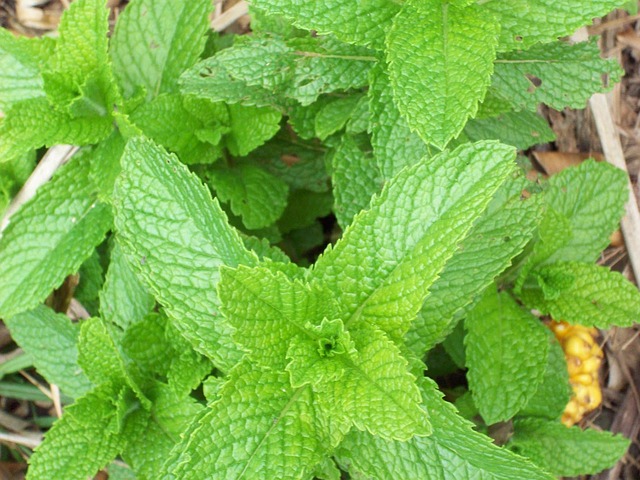
Peppermint is one of the first choices of herbs when digestive comfort is needed. It can help to relax muscles and reduce stomach cramps and spasms. Its scent can freshen breath as well as a room. It can be used as a disinfectant, a headache reducer, and a pain reducer for bee stings, burns and toothaches.
Peppermint contains many vitamins and minerals, such as calcium and magnesium, and serves as a tasty addition to many dishes, including blender drinks, soups, salads, pesto sauces, and can be used to prepare red meat dishes such as lamb.
How to grow peppermint indoors during the winter:
Peppermint is easily grown in a pot from cuttings. It prefers rich, moist (but not too wet), and well-drained soil, should be placed near a sunny window, and kept at a temperature range of 55-70 degrees Fahrenheit. Water when the soil becomes dry to the touch.
7. Sage
Sage is a great herb to have on hand during the winter since it goes well with poultry dishes, especially during the holiday season.
As a bitter tonic for the liver, sage aids the digestive system in the digestion of fatty meats. It is a good herb to help rebuild vitality during long-term illnesses, can help to support healthy hormone balance, and assists in supporting the immune system when battling colds and the flu. It also works great as a sore throat spray or gargle.
How to grow sage indoors during the winter:
Grow sage near a window that receives six to eight hours of full sunlight per day, at a temperature of 70 degrees Fahrenheit. Keep it away from drafts, and water as needed whenever the soil surface feels dry.
What herbs would you add to this list? Share your herb-growing-advice in the section below:
Discover The Secret To Saving Thousands At The Grocery Store. Read More Here.