 Print
Print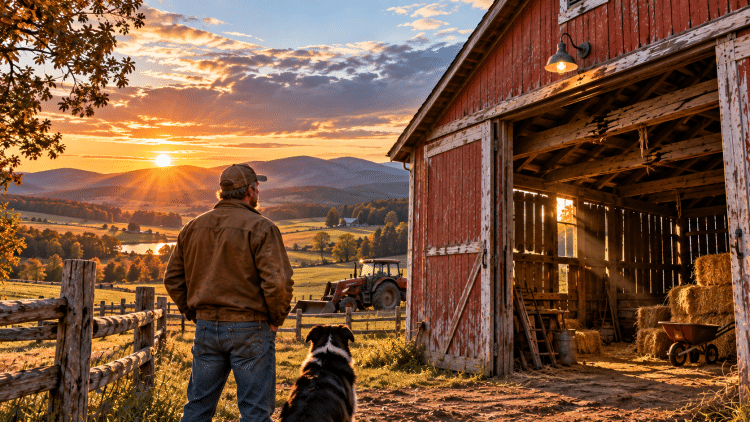
Behind The Happy Headlines, Some Important Parts Of The Financial System Are Starting To Groan
From Cracking Bond Markets To Million-Dollar Oil Tankers… The Warning Signs Are Piling Up, And The Old-Fashioned Homestead May Be Better Prepared Than Wall Street
Picture a frozen creek in early spring. The ice looks solid enough to drive a tractor across, but underneath, the water is rising, the current is getting stronger, and tiny cracks are spreading where nobody can see them.
That’s how financial commentator Chris Martenson and wealth manager Paul Kiker describe today’s economy. The stock market still looks respectable from the road, but they believe something dangerous is happening underneath.
And when that ice finally breaks, the folks standing on it won’t have much time to react.
Neither man knows when another financial crisis might arrive, and a major reset is far from certain. Nevertheless, some of the warning signs they’re discussing deserve attention, especially from families who understand what happens when expensive systems suddenly stop working.
Wall Street Looks Like a Million-Dollar Barn With Rotten Floorboards
Start with the stock market, where the big indexes can hide an awful lot of trouble.
Martenson recently claimed that roughly 59% of companies in a major stock index had fallen more than 20% from their highs. Kiker described similarly troubling market breadth, suggesting that a relatively small group of heavyweight companies was keeping the averages looking healthy.
Those particular figures need independent verification, but the underlying concern is familiar. When a handful of enormous companies account for much of an index’s performance, the headline number doesn’t necessarily describe what ordinary investors are experiencing.
Think of an old dairy barn with a beautiful new roof. From the highway, everything looks wonderful, but walk inside and you’ll discover three rotten support beams holding up the whole operation.
The roof isn’t your biggest problem. It’s what happens when those beams finally give way.
Oil Prices Are Saying One Thing… Tanker Captains Are Saying Another
Now consider something that matters to every farmer, trucker, and rural household in America: fuel.
Despite military conflict and shipping disruptions around the Persian Gulf, crude oil prices have sometimes fallen on news of possible diplomatic progress. Yet the physical business of transporting that oil has become enormously expensive.
According to Reuters’ October 5 energy analysis, tanker shipping rates from the Middle East to Asia have exceeded $1.2 million per day.
Meanwhile, shipping data reported October 8 showed traffic through the Strait of Hormuz falling sharply as attacks threatened commercial vessels.
Martenson suspects unusual trading patterns may also be influencing oil prices. That’s his interpretation, not proof of manipulation, but the enormous difference between financial prices and physical transportation costs raises an important question.
What happens when the price on a computer screen no longer tells you what it actually costs to get something delivered?
Country folks already know that answer.
The price advertised in town doesn’t mean much when the delivery truck never arrives.
Your Tractor Doesn’t Run on Stock Certificates
Here’s where international trouble comes rolling straight through the farm gate.
Diesel powers tractors, combines, freight trucks, construction equipment, and much of the machinery that keeps America’s food supply moving. When fuel becomes expensive or difficult to obtain, those costs eventually reach the grocery store.
Meanwhile, Ukrainian attacks on Russian refineries have disrupted fuel production and contributed to shortages. Reuters reported October 9 that Russia had imposed fuel-export restrictions following refinery disruptions.
And the problem doesn’t stop with diesel.
Energy costs influence fertilizer manufacturing, agricultural transportation, irrigation, and processing. Even when fertilizer ingredients remain available, higher production and delivery costs can make spring planting considerably more expensive.
That’s why keeping equipment maintained, knowing your fuel requirements, and planning purchases before planting season make good sense.
You don’t need to predict an economic collapse to appreciate a full fuel tank and a tractor that starts.
The Bond Market Is Starting to Sound Like an Empty Auction Barn
Next comes a warning sign most Americans rarely discuss: government bonds.
Treasury securities help establish borrowing costs throughout the economy. When longer-term yields rise, the effects can eventually reach mortgages, business loans, and other forms of financing.
Martenson and Kiker worry that rising yields reflect weakening demand for government debt. They point to the possibility of a buyer strike, where investors demand substantially higher returns before agreeing to lend money.
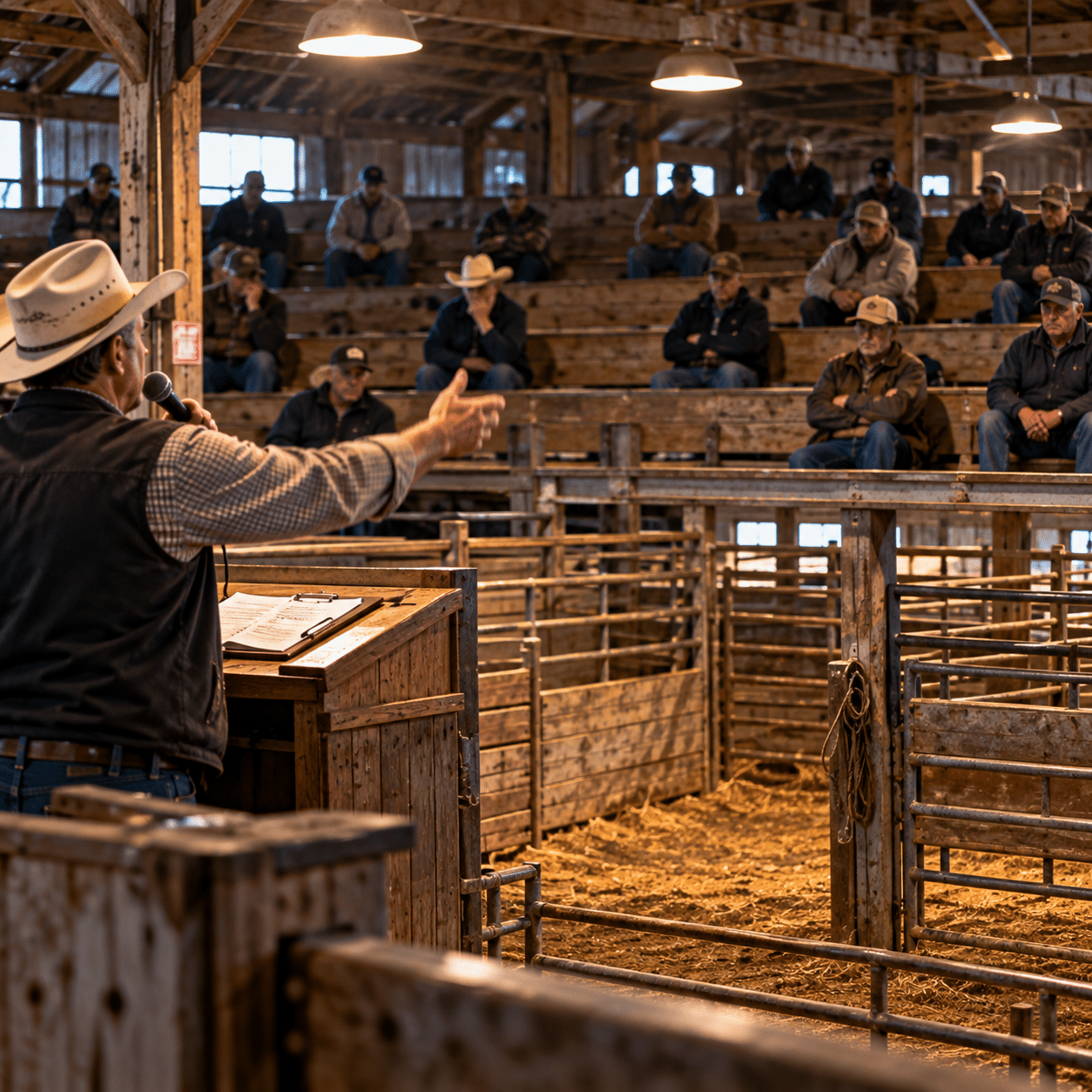
Imagine an auctioneer trying to sell cattle while every buyer stands against the back wall with his hands in his pockets. The auctioneer can keep talking, but sooner or later somebody must lower the price or offer a better deal.
The Treasury also operates a securities buyback program, although those purchases shouldn’t automatically be mistaken for evidence of a collapsing bond market. The program serves liquidity-management purposes.
Still, rising borrowing costs deserve attention because heavily indebted governments, businesses, and households have less room for expensive surprises.
Main Street Is Already Feeling the Squeeze
While financial commentators debate charts, ordinary families are studying grocery receipts.
Kiker described a community fundraiser where people appeared unusually reluctant to spend money. He also noted growing financial pressure among families who once considered themselves comfortably middle class.
Those observations are anecdotal, but the broader problem is easy to recognize.
Health insurance, childcare, property taxes, vehicle insurance, groceries, and home repairs can swallow a paycheck before a family has saved a nickel.
And even when inflation slows, that doesn’t mean prices return to where they were.
A family that once spent $150 filling a shopping cart doesn’t celebrate because the next increase is smaller. They’re still paying considerably more than they remember.
That’s why a productive garden, stocked pantry, home workshop, and manageable debt can matter more than another impressive investment forecast.
The Artificial Intelligence Gold Rush Has a Familiar Smell
Then there’s artificial intelligence, where enormous sums are being committed to data centers, electricity, computing equipment, and supporting infrastructure.
Martenson believes the industry displays characteristics of a financial bubble. He and Kiker point to aggressive financing arrangements, ambitious revenue expectations, and the possibility that investment spending is racing ahead of profitable demand.
That doesn’t mean artificial intelligence is worthless.
Railroads transformed America, but investors still lost fortunes financing railroad companies that couldn’t survive. A revolutionary technology and a terrible investment can exist at exactly the same time.
And when everybody assumes tomorrow’s profits will pay yesterday’s debts, trouble can arrive faster than a thunderstorm over freshly cut hay.
The lesson isn’t to avoid innovation. It’s to avoid confusing excitement with financial security.
Could Your Bank Account Become Somebody Else’s Rescue Plan?
Martenson also raises concerns about bank failures, uninsured deposits, and what he calls the Great Taking.
The phrase suggests sweeping financial confiscation, but that outcome is not established. The actual legal protections depend on the institution, account type, ownership structure, and applicable resolution rules.
Here’s what is certain.
The FDIC guarantees eligible deposits up to $250,000 per depositor, per insured bank, per ownership category. Amounts exceeding applicable coverage limits can face losses when a bank fails, although additional protection may be available through properly structured accounts.
Brokerage accounts operate under different protections, and investment losses aren’t covered simply because securities are held at a regulated brokerage.
The sensible response isn’t panic. It’s understanding exactly where your money sits, how it’s protected, and what risks you’re actually carrying.
After all, the worst time to read the instructions on a fire extinguisher is when the barn is already burning.
The Best Financial Insurance Might Be Sitting Behind Your House
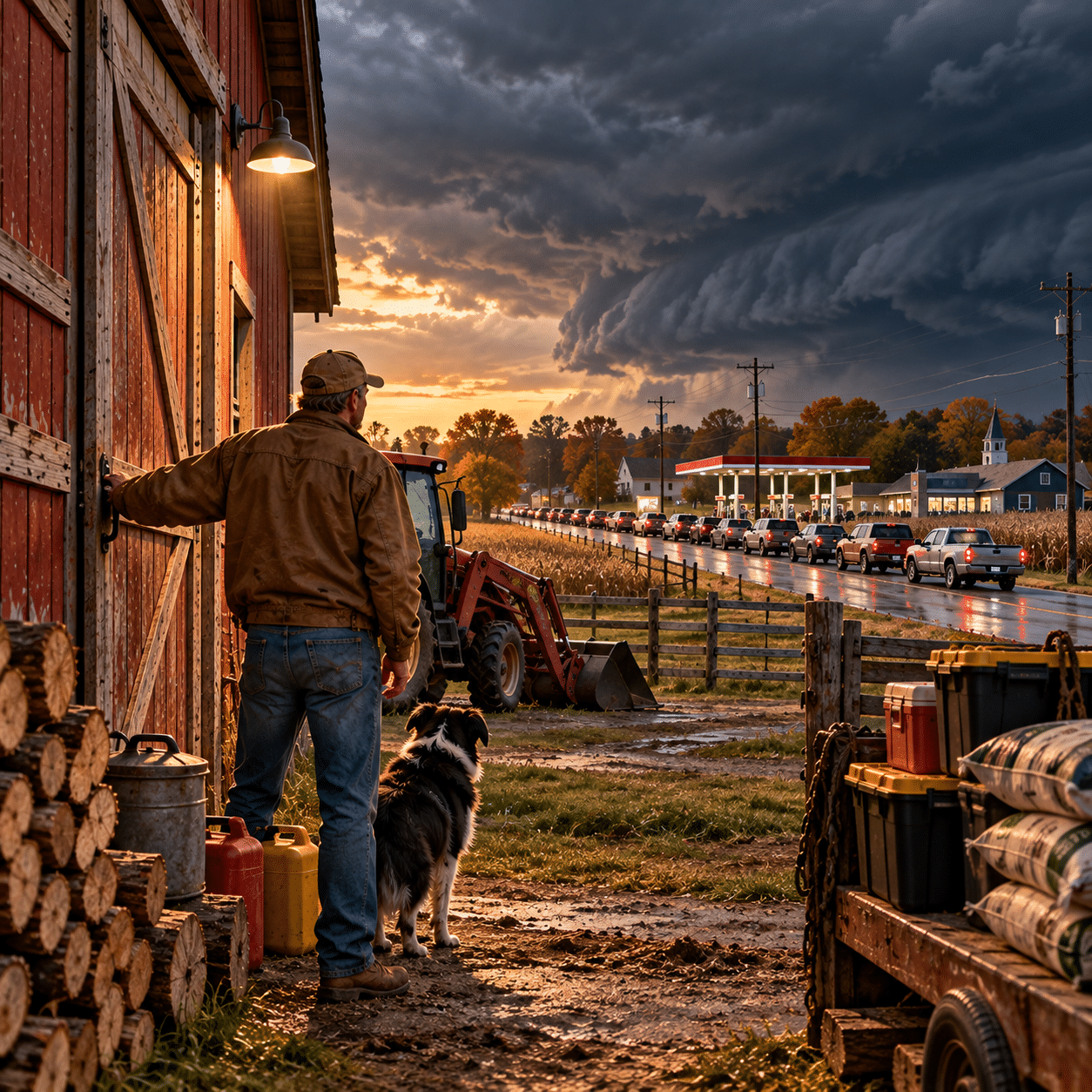
Here’s something Wall Street rarely mentions.
A well-maintained woodstove produces heat regardless of stock prices. A garden produces food without checking Treasury yields, and a pantry stocked with ordinary groceries can reduce dependence on weekly shopping trips.
A paid-off tractor still needs fuel and repairs, but it doesn’t demand a monthly loan payment.
And a dependable neighbor may prove more valuable during a prolonged emergency than another complicated financial product.
Martenson recalled how people rushed to purchase generators after Superstorm Sandy, only to return them when the immediate danger passed. Fear had motivated the purchase, but apparently hadn’t produced lasting preparedness.
That’s the difference between reacting and preparing.
Don’t Wait Until Everybody Else Is Standing in Line
Nobody can tell you with certainty when the next recession, financial crisis, or market crash will arrive.
But you don’t need a crystal ball to recognize the value of reducing debt, maintaining equipment, storing useful supplies, protecting savings, and developing practical skills.
Those things pay dividends during ordinary hard times, too.
So watch the markets, question the experts, and verify the numbers. But don’t spend your life waiting for Wall Street to announce that the ice has finally broken.
The smartest homesteader isn’t necessarily the fellow who predicts the storm.
He’s the fellow who fixed the roof, filled the woodshed, stocked the pantry, and checked on his neighbors while everybody else was arguing about the weather.
And when the storm finally arrives, he’s already home.