Print

The Rough And Revealing History Behind American Religious Freedom
The Founders Knew Better Than To Trust A Fox With The Henhouse
Somewhere between the church pew and the voting booth, Americans overlooked a dangerous idea: government has limits because God doesn’t.
That idea helped shape a free people. And if we forget it, no pile of campaign signs will do the work of remembering it for us.
“Look unto the rock whence ye are hewn,” says Isaiah 51:1. In its original setting, that passage called God’s people to remember their beginnings, including Abraham and Sarah. It wasn’t written about the United States. Still, it asks a question Americans could stand to hear: Do you remember where you came from?
Back in 1976, the year I graduated from high school, while the country was getting ready to wave flags for its 200th birthday, E. L. Hebden Taylor delivered a bicentennial address at Dordt College in Sioux Center, Iowa. His message, published as “The Rock From Which America Was Hewn”, came with an urgent warning rather than a party favor.
Taylor believed America was spending a moral inheritance it had stopped replenishing. Now, in 2026, we’ve reached the nation’s 250th birthday, halfway between his warning and the tricentennial he feared America might never celebrate. That’s some off-the-grid theology and history worth carrying home from church… even if it never makes the Sunday bulletin.
The Forgotten History Behind the Fourth of July
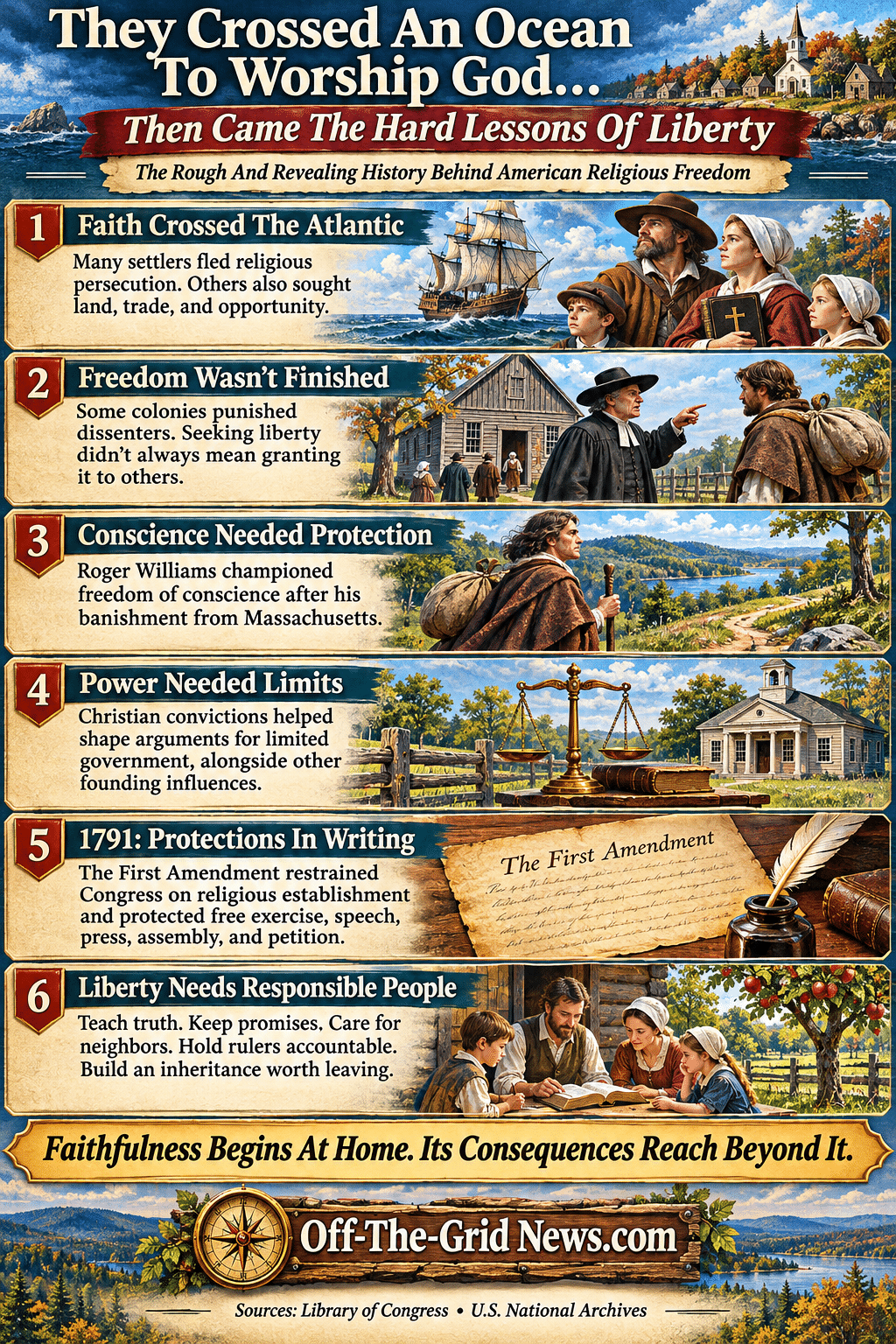
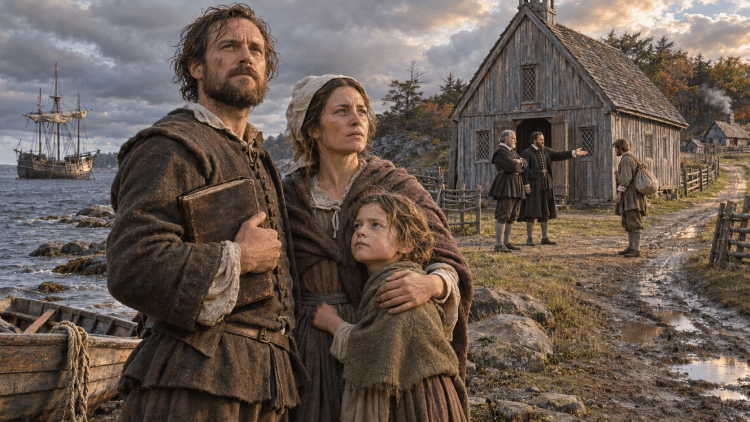
First, let’s clear away the fog. Forget the notion that American history popped out of the ground on July 4, 1776. By then, 169 years had passed since the English founded Jamestown in 1607, and more than 150 years had passed since the Pilgrims reached Plymouth.
Of course, this wasn’t empty ground awaiting a beginning. Native peoples had lived here for thousands of years, and Spanish settlements predated Jamestown. The point is narrower and stronger: the British colonies that became the United States had generations of experience behind them before independence.
During those years, families wrestled with timber, buried children, planted crops, and argued about how a community ought to live. For many, the Bible belonged in that argument.
They wanted to know what obedience to God meant beyond the meetinghouse door.
Taylor’s answer was that we can’t understand the republic without examining those earlier convictions. He saw a powerful resemblance between Israel remembering its deliverance and Christian settlers remembering why they had crossed an ocean. The comparison can illuminate their thinking without turning America into a second biblical Israel.
They Risked an Ocean Crossing for More Than Seed Corn
Picture a weathered wooden ship shouldering through gray Atlantic water. Below deck, the air hangs heavy with damp bedding, sickness, and salted provisions. Somewhere in that cramped darkness, a mother wonders whether the children will survive the winter waiting beyond the horizon.
For many settlers, religious persecution was a real reason to leave Europe. They knew what happened when a ruler’s preferred church came with the force of law behind it. Worship could become a matter of licenses, penalties, and prison doors.
Yet faith wasn’t the only thing aboard those ships. People also wanted land, trade, opportunity, and a fresh start. The Pilgrims had commercial obligations, and other colonists had ambitions that were less heavenly. We don’t strengthen Christian history by sanding every mixed motive off the people in it.
Still, Taylor drew on H. Richard Niebuhr’s The Kingdom of God in America to argue that the desire to live under God’s authority ran through several colonial traditions. Pilgrims, Dutch Reformed settlers, and Presbyterians disagreed about plenty, but faith helped shape how they understood work, community, and duty.
That conviction traveled inland with them. It showed up around hearths, in schools, and in the way people thought about authority. Religion wasn’t merely something to keep respectable folks occupied until Monday morning.
Even Christians Had to Learn Liberty the Hard Way
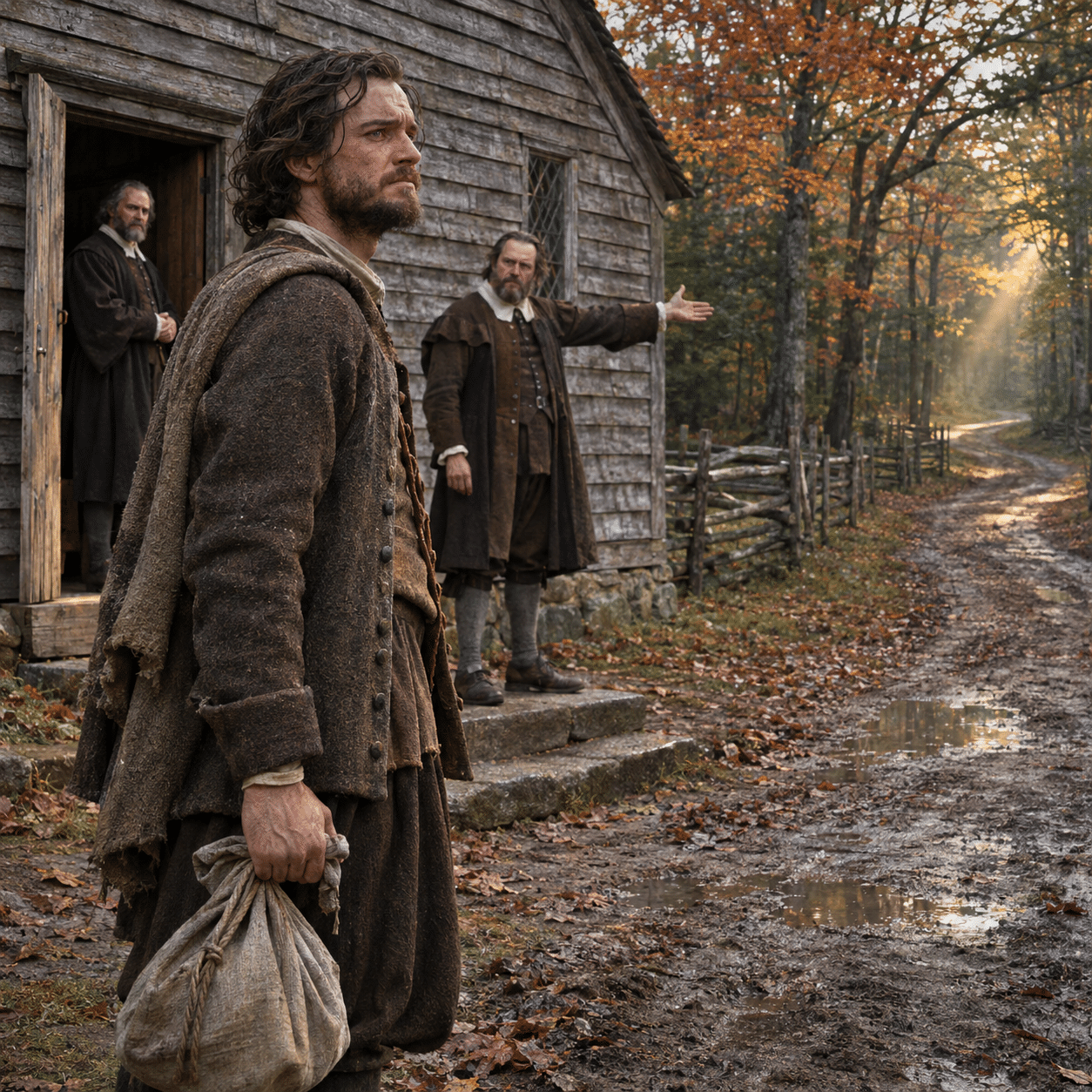
Now, here’s a crucial detail that keeps this story honest. Some settlers who escaped religious coercion were quite willing to practice it once they controlled the local government. (A man can dislike a heavy boot and still be tempted to wear it.)
Those religious disputes weren’t a footnote to the story of liberty; they were part of the struggle that helped bring it into focus.
In other words, the colonies didn’t arrive with religious freedom finished, polished, and packed in a sea chest. Believers had to argue over what faithfulness required when their neighbors believed differently. Sometimes the outsiders being pushed out saw the threat more clearly than the people holding office.
Later, Alexis de Tocqueville described an important American partnership between religion and freedom in Democracy in America. In his account, religious belief could support the moral habits that a free society needed. Liberty depended on more than getting the king out of the way.
It also depended on people learning to govern themselves.
If God Is King Then Caesar Has a Property Line
Put it in plain English, Taylor’s theological argument gets dangerous for anyone who wants unlimited power: if God is the final authority, no earthly government can honestly claim that position. The state has duties, but it doesn’t own the human soul.
Now, grasp the importance of that. It’s a big fence post to drive into the ground. Your family, your conscience, your church, and your obligations to God don’t spring into existence because a government clerk approved the paperwork. Political authority must answer to standards higher than its own appetite.
This conviction helped nourish arguments for limited government, although it wasn’t the only influence. English constitutional traditions, colonial experience, and other arguments also shaped the founding. American liberty grew out of a complicated history, and the Christian contribution deserves attention without pretending the other roots weren’t there.
Eventually, the First Amendment placed explicit restraints on Congress concerning religious establishment and free exercise, alongside protections for speech, the press, assembly, and petition. Those words didn’t solve every conflict, and their application developed over time. But they put limits in writing where ambitious officials couldn’t claim they’d missed them.
From a Christian standpoint, that matters because a person is more than a citizen. We owe our neighbors justice and our government lawful obedience, but neither the crowd nor the courthouse becomes God. There are claims on us that no election can erase.
Build the Coop With the Fox in Mind
Once you recognize that rulers are fallible, a practical question follows: How much power should you gamble on their good behavior? The American constitutional answer was to divide it, check it, and make its exercise answerable to law.
Under the Constitution, national authority was distributed among legislative, executive, and judicial branches. Federalism also divided governing responsibilities between the national government and the states. It wasn’t a promise that nobody would ever abuse power; it was an attempt to block abuse before it took root.
Taylor invoked James Bryce’s observation that the Constitution’s designers took human sin seriously. Frankly, the underlying point doesn’t require a graduate degree. People who want office are still people, complete with pride, fear, vanity, and a talent for excusing themselves.
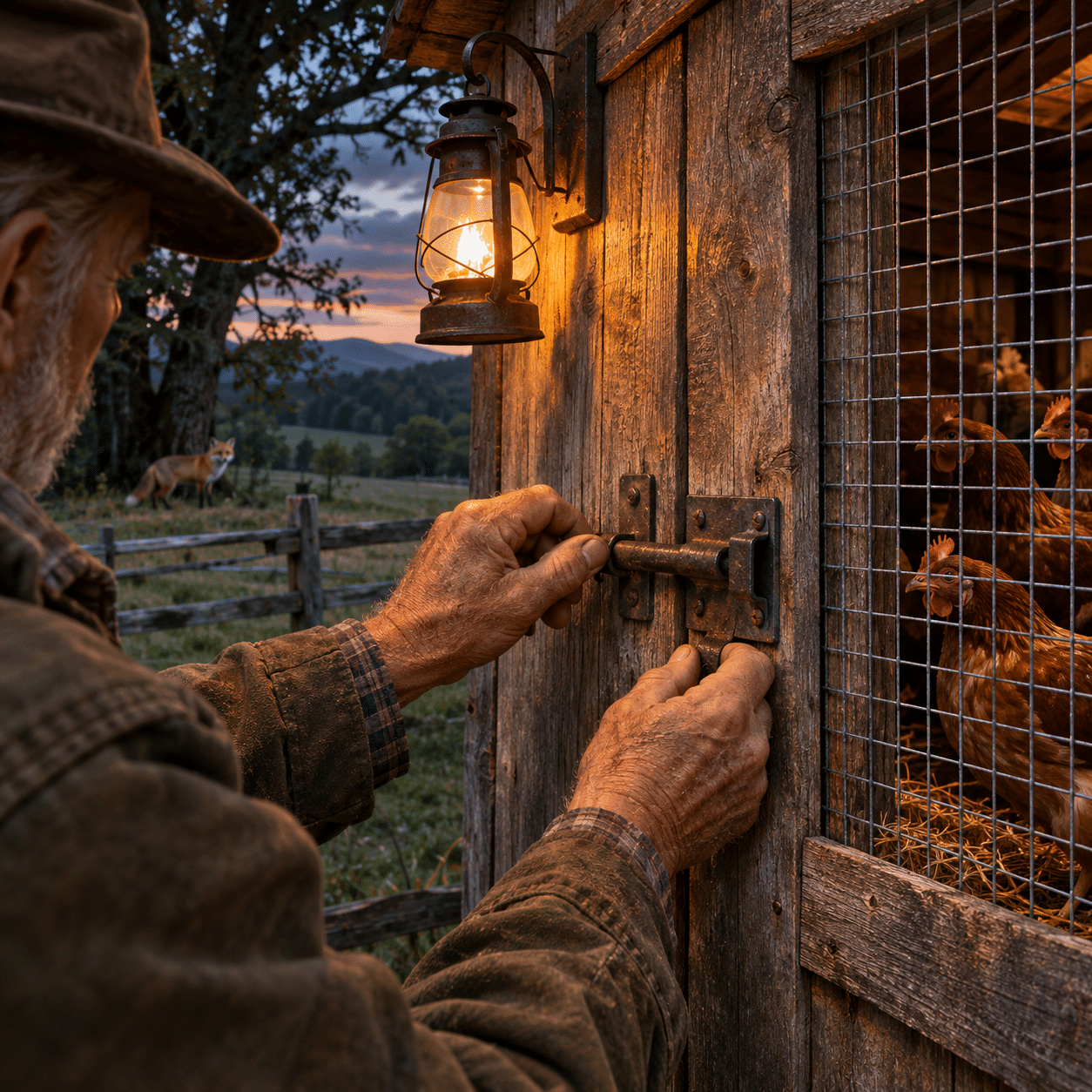
Anybody who keeps chickens understands the principle. You don’t judge the coop by how friendly the hens look at breakfast. You inspect the latch because something hungry may come visiting after dark.
Of course, those safeguards were deeply incomplete. Slavery persisted, and women lacked some rights. A truthful Christian reading admits those failures and asks how professed principles could be applied more faithfully. Calling evil by its name strengthens the case for moral limits on power.
They Planted an Inheritance Their Grandchildren Could Harvest
Next, Taylor connected Christian faith with a habit our age badly needs: thinking beyond the next appetite. If your work belongs to God, then tomorrow matters even when you won’t be around to collect the proceeds.
A homesteader understands that before the first apple tree takes root. You plant an orchard that won’t pay you back this fall. You improve soil, save seed, repair a roof, and teach a child something useful because a household has a future worth serving.
Taylor argued that this outlook helped encourage thrift, enterprise, and disciplined labor in Calvinist communities. That’s an interpretation of history, not a claim that one church tradition invented science or that unbelievers can’t work hard. Its force lies in the connection between conviction and conduct: what people believe about their duties can transform how they use a Tuesday afternoon.
Likewise, education had practical and spiritual value. Reading opened Scripture as well as contracts and public arguments. The ability to examine a claim for yourself gives a citizen firmer footing than merely repeating whatever the loudest fellow in town announced yesterday.
Meanwhile, Taylor’s account also carried Niebuhr’s warning against confusing Protestant faith with unrestrained greed. A Christian merchant remains accountable to God when he sets a price, pays a worker, or makes a promise. Profit doesn’t wash dishonesty clean. The goal was stewardship. An inheritance worth handing down requires more than a full barn and an empty conscience.
You Can Bleed an Inheritance Dry Without Noticing
Eventually, Taylor believed, Americans began consuming the habits and assumptions their forebears had built. His account traced a drift through deism, self-centered individualism, and dependence on collective power. In his telling, people increasingly wanted freedom’s benefits without the discipline that helped sustain them.
To be clear, that’s Taylor’s theological diagnosis, and it deserves to be identified as such. America’s religious history wasn’t one straight slide from perfect faith to perfect unbelief. It included revivals, reform movements, and fierce disagreements within Christianity. Nevertheless, his central question still bites: What happens when a people lose the convictions that once restrained them?
Bring it to the kitchen table, and the problem is easy to recognize. A family can live for a while on savings it didn’t earn. It can sell the breeding stock, neglect the tools, and call the extra spending prosperity… right up until the next season arrives.
Taylor applied that concern to public life, including education, credit, and government spending. He also enlisted Keynes’s famous line, “In the long run we are all dead.” But Keynes’s actual passage criticized economists who offered distant reassurance while people endured immediate turmoil… it wasn’t simply advice to forget the grandchildren.
Even so, we can confront reckless spending without bending his words. Present needs matter, and so do future obligations. A people who refuse that second responsibility eventually leave their children a bill where an inheritance ought to be.
The Chilling Warning Taylor Left Behind
Back in 1976, Taylor saw Watergate, overextended credit, abortion, divorce, and Soviet power as signs of grave national trouble. He also cited Aleksandr Solzhenitsyn’s warnings about Western weakness. These concerns formed the setting for his closing appeal to repentance.
Then came the chilling detail: unless America turned back to God, he believed it couldn’t expect to survive to its 300th birthday in 2076. That warning was his judgment about history and divine accountability. It wasn’t a secret deadline supplied by Scripture.
That distinction is crucial. Christians can take national wrongdoing seriously without claiming access to God’s calendar. And America doesn’t possess ancient Israel’s covenant simply because some colonists used Israel’s language to describe their hopes.
Still, the moral principle in Luke 12:48 bears remembering: much is required of those who have received much. Liberty, abundance, and opportunity carry responsibilities.
A birthday celebration doesn’t cancel them.
Don’t Wait for Washington to Repair Your Own House
So what do we do with an old warning at America’s 250th birthday? We could argue endlessly about the exact year the roof might fall in. Or we could start repairing what’s within reach.
For a start, begin at the kitchen table. Teach your children that truth matters when a lie would be convenient, that work deserves care, and that authority has obligations as well as powers. Let them see repentance practiced by adults who don’t consider themselves too important to admit wrong.
Next, carry that faith beyond the table. Keep your promises, pay what you owe, care for a neighbor, and hold public officials accountable. A garden won’t replace a constitution, but the patience required to tend one can help form the kind of person a free republic needs.
Meanwhile, refuse to make a savior out of government or a political party. Christian citizenship asks us to judge rulers by a moral standard, including rulers who know exactly which religious words will get our applause.
A Bible on the campaign platform doesn’t inspect the man’s character for us.
Leave Your Grandchildren More Than a Stack of Bills
Here’s the overlooked piece of theology worth taking off the shelf: God’s authority reaches into ordinary life, and ordinary faithfulness has public consequences. The household isn’t the whole nation, but it is one place where a nation’s habits are learned.
So plant something you may never harvest.
Teach something your grandchildren can use, and leave behind more than receipts.
And when the flags come down after national celebrations, remember the rock. America’s Christian inheritance deserves neither careless worship nor careless dismissal. It deserves honest examination… and people willing to live out what was best in it.
Above all, may God humble us, cleanse us, and give us the courage to begin at home.