Print

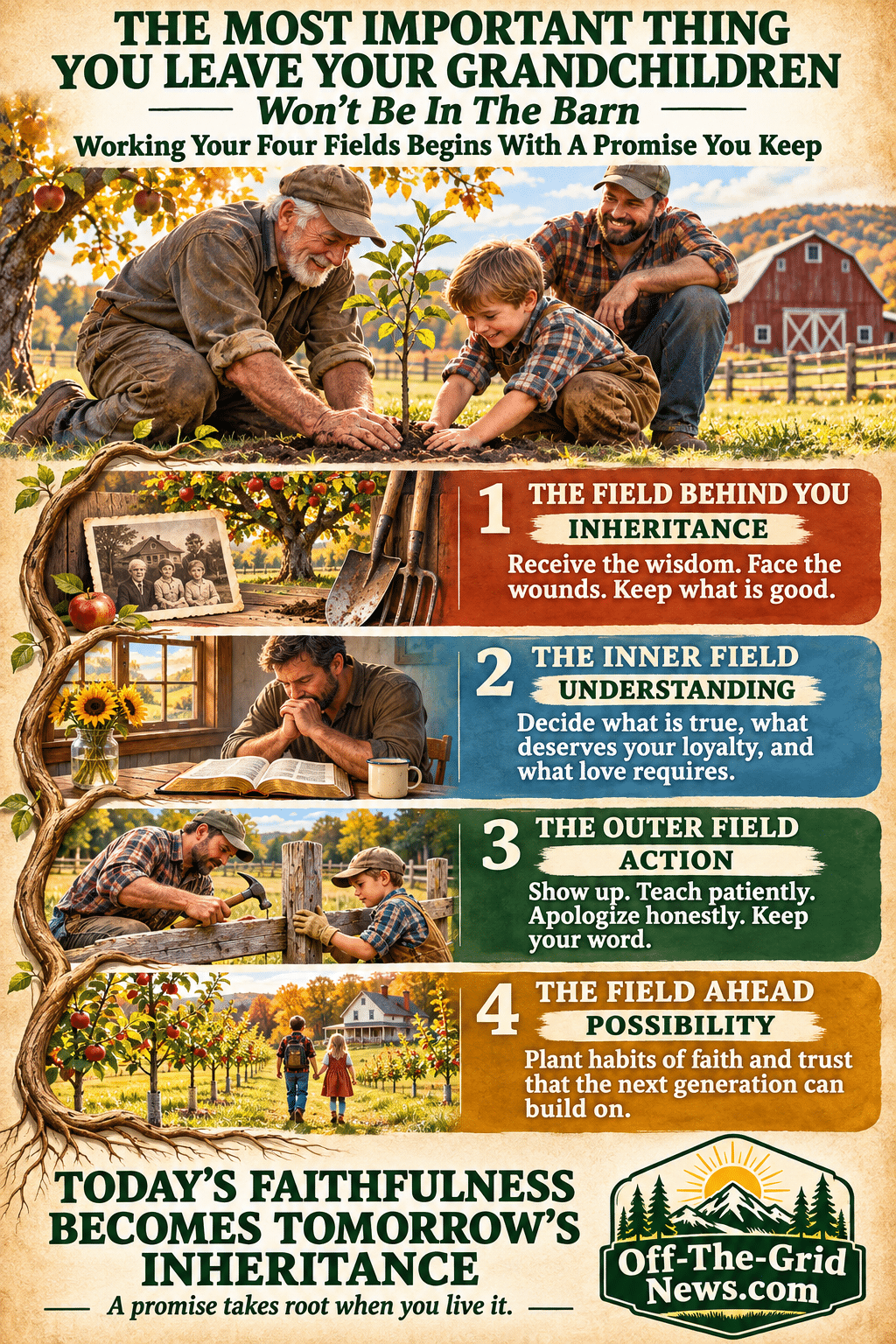
Working Your Four Fields Begins With A Promise You Keep
What Your Family Really Needs For The Hard Times Ahead
Something to really consider here. A promise is easy to make when the sun’s out, the bills are paid, and everybody at the kitchen table is getting along. The real test comes when the roof leaks, somebody gets sick, and love has to pull on its boots.
That’s when a family finds out what its words are worth.
When you live a rural life, you understand that a gate needs more than a coat of paint. It needs sound posts, good hinges, and somebody willing to fix the latch before the livestock discover its shortcomings. A home needs that kind of attention, too.
Yet we can spend more time checking the generator than checking the promises holding our household together. We prepare for the lights to go out while assuming the people under our roof already know we’ll stand by them. Sometimes they need to hear it… and then see it.
Getting Older Is Automatic and Growing Up Takes Work
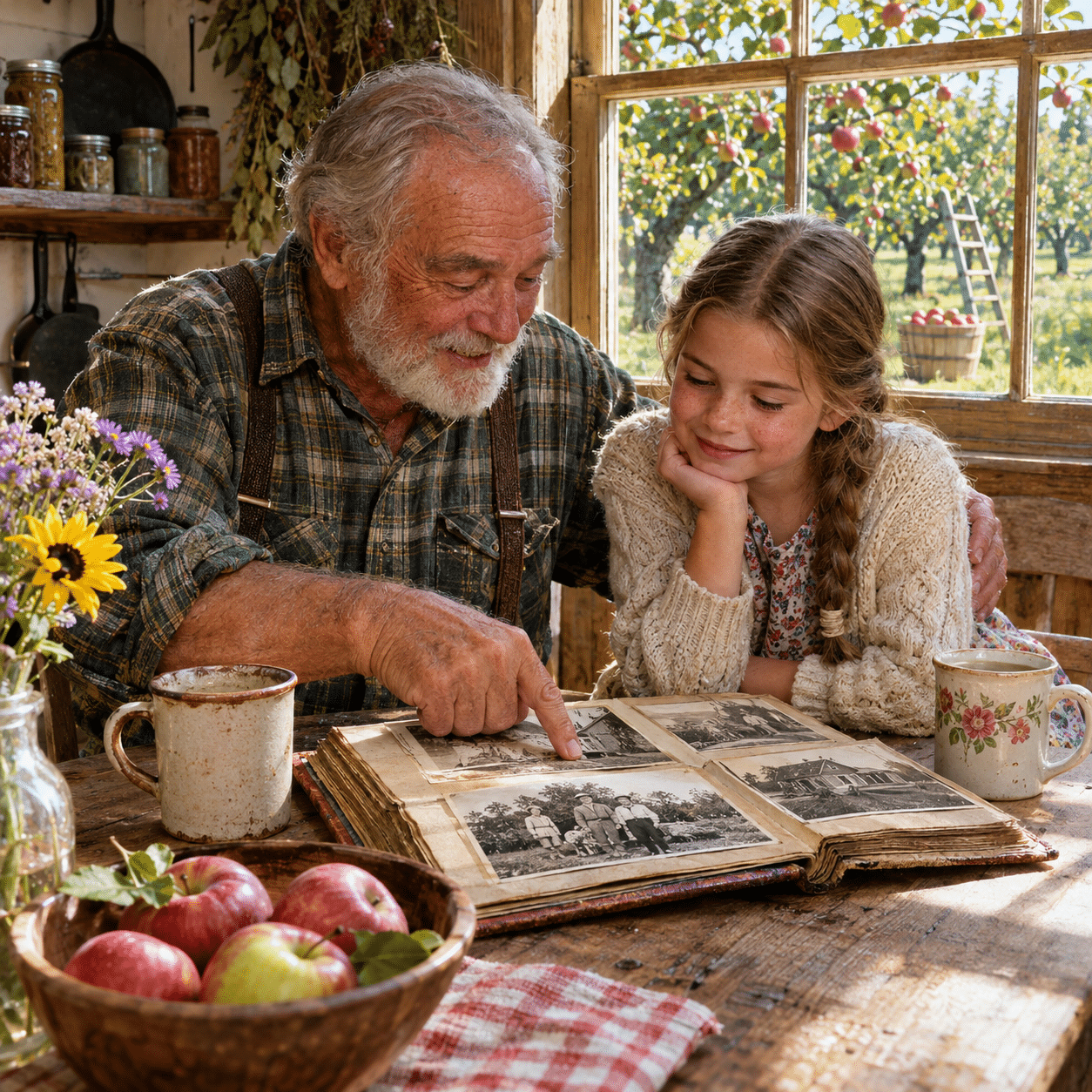 There are at least two clocks running through a human life. One counts birthdays, gray hairs, and the noises your knees make when you get out of a chair. That clock needs no encouragement.
The other measures what you’ve learned to love and care for. It marks the day you stop asking only what life can give you and start asking who’s counting on you to show up.
Of course, the two clocks don’t always keep the same time. A person can collect sixty years without learning to keep a promise through a difficult Tuesday. Meanwhile, someone much younger may already understand the weight of another person’s trust.
Think of a weathered fence post. The rain and frost have certainly done something to it, but the post hasn’t chosen a thing. You and I have choices: mend the fence, learn the skill, tell the truth, or make the call we’ve been putting off.
Years happen to us. Faithfulness is something we practice.
Your Child Already Has Playmates
Now bring that distinction through the front door. A parent can share a home with a child for eighteen years and still dodge some of the hardest work of parenting.
Playing catch matters. So do laughter, fishing trips, and those ridiculous little family jokes nobody else understands. But children also need an adult who can say, “I love you, and the answer is still no.”
After all, a boy can find another boy to throw a baseball. He can’t simply go down the road and find another father who knows him, takes responsibility for him, and stays steady when he pushes back.
A good parent is like the handrail on a steep staircase. It doesn’t climb the steps for you, but it gives you something solid to hold. And it doesn’t come loose because you’re annoyed with it.
That said, firmness needs warmth and self-control. The biblical charge in Ephesians 6:4 pairs a father’s responsibility to teach with a warning against provoking his children to wrath. Authority carries obligations for the person exercising it, too.
Remember the Shelter Along With the Storms
Then, sooner or later, another lesson arrives. The people who once stood between you and the hard edge of life grow frail… or their chair at the table sits empty.
For many of us, a parent’s presence felt like a windbreak we didn’t notice until it was gone. Even after we had homes and children of our own, there was comfort in knowing somebody farther up the road still cared whether we got home safely.
Looking back honestly means remembering both the protection and the mistakes. Some families carry serious wounds that need to be faced plainly. Gratitude doesn’t require pretending those things never happened.
At the same time, ordinary human shortcomings shouldn’t erase every packed lunch, late-night ride, repaired bicycle, and quiet sacrifice. A fair account leaves room for what was good as well as what hurt.
So, if there’s something worth thanking a parent for, consider saying it while they can still hear you. A few plain words across a kitchen table may do more good than a beautiful speech delivered beside a casket.
Don’t Ask a Child to Carry an Adult’s Heart
There’s another boundary worth tending carefully. Children need our affection, but they shouldn’t have to earn their place by keeping us emotionally comfortable.
A son shouldn’t have to become the man of his mother’s emotional world. A daughter shouldn’t have to soothe every disappointment her father brings home. And neither should be recruited to take sides in a marriage dispute.
That’s too much weight for a young back.
Of course, families comfort one another. A child bringing you a hug on a hard day is a gift. The trouble begins when the child feels responsible for holding the adult together… or guilty for growing up and building a separate life.
Instead, take grown-up burdens to a spouse, a trusted friend, a pastor, or a qualified counselor when needed. Give children a secure place to grow, with room to love you freely rather than manage you nervously.
A Wedding Starts Something the Years Must Build
Meanwhile, marriage asks a different kind of devotion. Two adults make a promise and begin learning what that promise will require in the world beyond the wedding photographs.
In Genesis 2:24, marriage is pictured as leaving one household and forming a new union. That’s a substantial change of allegiance and responsibility. It reaches into the checkbook, the calendar, the supper conversation, and the way decisions get made.
Desire and affection belong in that life. So do shared work and shared purpose: raising kids, caring for a place, serving neighbors, building a business, or making a welcoming home. There needs to be something worth doing together when the honeymoon luggage is gathering dust.
A homestead makes this wonderfully plain. Somebody has to notice the empty wood-box, and somebody has to remember that the person filling it might appreciate a thank-you. Romance can survive muddy boots; contempt makes much rougher company.
So keep learning your spouse. Ask what’s weighing on them, make room for their gifts, and pay attention when the answer surprises you. A marriage needs both people fully present, with enough humility to change course together.
Your Yes Needs Roots
But how does any lasting attachment begin? Often, with a few small words: “I do.” “I’ll be there.” “You can count on me.”
Jesus’ instruction in Matthew 5:37 is plain: let your yes mean yes and your no mean no. A household where words can be trusted has something precious to build on. People don’t have to guess whether every promise has an escape hatch.
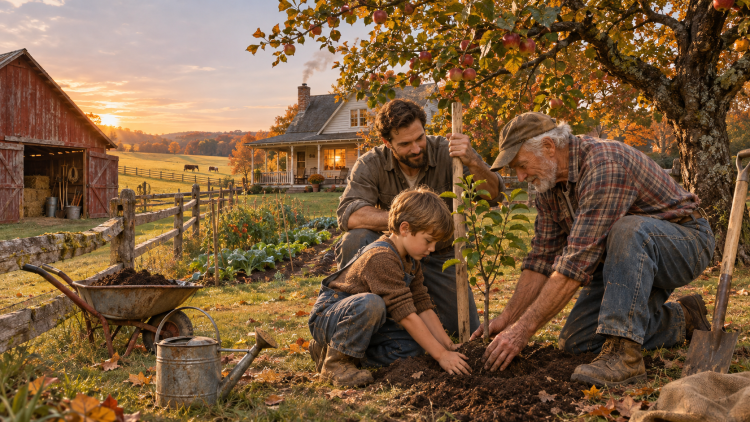
Let’s consider an orchard. You plant a young tree knowing it won’t fill the fruit cellar this fall, and you protect it through seasons when it appears to offer very little in return. The harvest depends on care that comes long before the reward.
Promises grow that way, too. “I’m your husband” becomes visible in patience, work, tenderness, and honest conversation. “I’m your father” takes shape in the lessons you repeat, the example you set, and the times you put down what you’re doing to listen.
Naturally, we’ll sometimes fail. Then keeping faith requires admitting the failure, repairing what we can, and changing our conduct. An apology followed by the same old behavior is a gate repair made entirely of promises.
Courage Often Arrives After the Responsibility
There’s a surprising benefit to being counted on: responsibility can draw courage out of a person who doesn’t feel particularly brave. Love gives us a reason to take the next necessary step.
A mother makes the difficult phone call. A father admits he was wrong. A husband learns how to care for his ailing wife, and a wife faces another uncertain day beside the man she promised to love.
None of that requires pretending fear has disappeared. Often, courage looks like shaking hands doing useful work.
And this kind of faithfulness isn’t reserved for married people or parents. An unmarried neighbor, a widowed grandparent, or a faithful friend can become someone others depend on. There are plenty of places to stand your post.
Leave More Than a Full Woodshed
Finally, consider what will remain after you’re gone. The stocked pantry will be emptied, the tools will change hands, and someone else may sit on the porch you worked so hard to repair.
But a child who learned that love stays steady can carry that lesson into another home. A grandchild who watched you tell the truth when it cost you something may remember when his own test comes. Your example can travel farther than your name.
You can’t control a hundred years of family history. You can give the people coming after you something sound to build on.
So tend the garden, check the batteries, and stack the wood. Then look around the table and give the same thoughtful attention to the people you’ve promised to love.
Say the word that holds.
Then spend your life giving it weight.