 Print
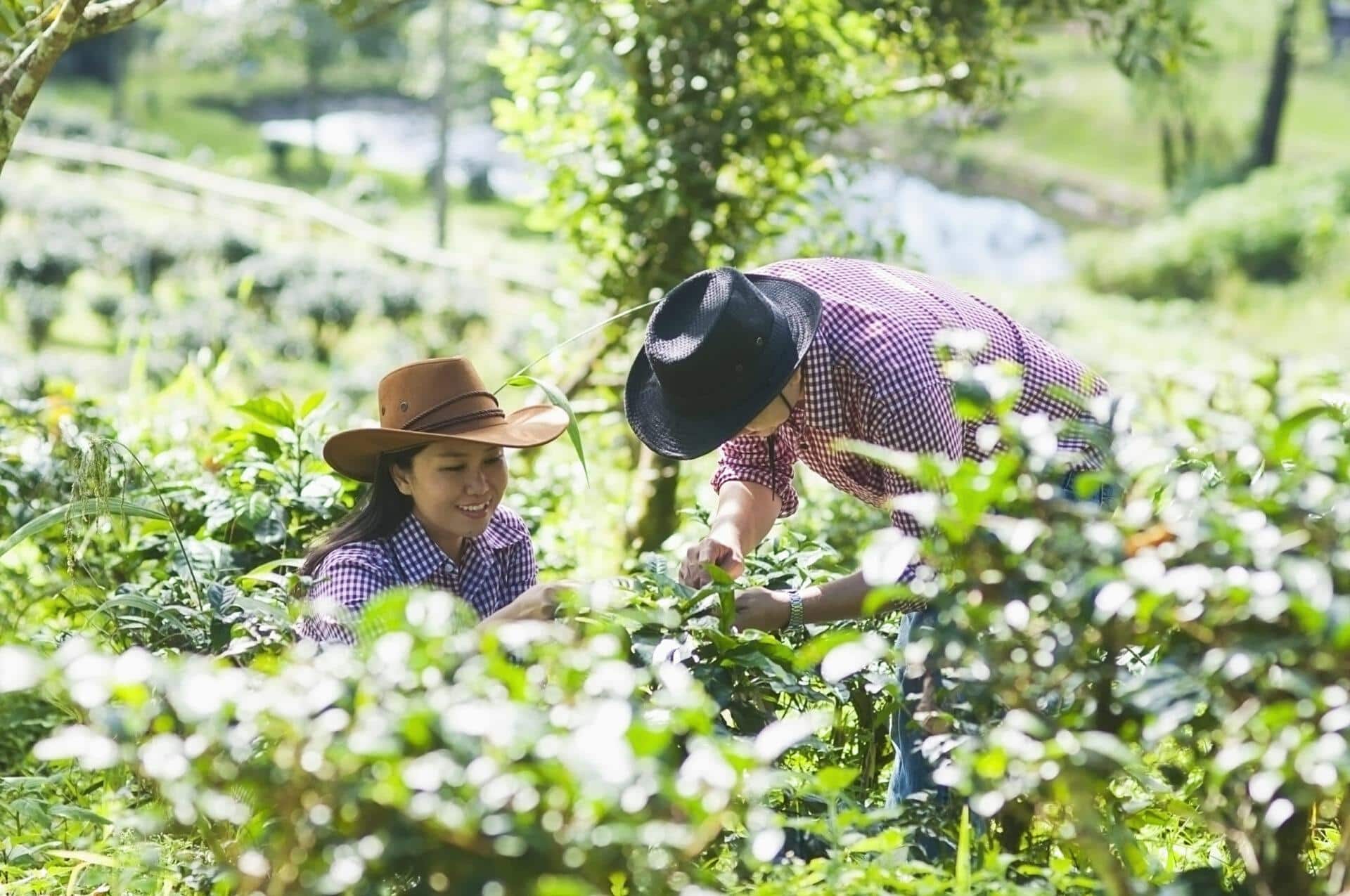
Using wild plants for teas is something all “off the gridders” should consider. Heres why:
In an effort to use all the resources at your disposal (and to save money), learning how to use the “weeds” that are growing in your backyard or in the forests or fields on your property is a great idea. The truth is, the “wild areas” around your home literally abound with plants that are more than just additional greenery. And, many natural and native plants are not only edible but make excellent teas.
These teas are tasty and also nutritious or medicinal. People have been using wild plants for teas and tonics for thousands of years, but much of the knowledge escapes most of us. It’s time to take to the yard and look for some of these delightful herbals for your next cup of tea.
175 Teas, Tonics, Oils, Salves, Tinctures, and Other Natural Remedies for the Entire Family…
Using Wild Plants For Teas – Drying, Storing
The first lesson is to be very, very sure that you can correctly identify the plant you are about to harvest. Not all your wild greenery is friendly, so to avoid mistaking a nice herb for something poisonous, consider investing in a good plant identification book. A good one should cover your part of the country, have detailed descriptions and images, and mention any plants that are commonly misidentified.
In general, when you are harvesting and using wild plants for teas, you want the leaves of the plant. Simply pluck off the leaves as you need them or use sharp kitchen shears. The best time to harvest is in the morning after the dew has dried. It is also ideal to harvest just before flowers form, but it is not necessary. If you can see the leaves and they are in good shape, go ahead and take them. Because the leaves are the source of flavor and fragrance, be careful not to bruise, crush, or tear them while harvesting. You want them intact for later. With some plants, you will be harvesting the flowers or even the roots, rather than the leaves. If you are using the leaves only, you can collect the flowers for display in your home. They will smell and look lovely in a vase.
To use your wild herbal leaves for tea, you can either dry them or use them fresh. If you are harvesting a lot of leaves and want to save some for later, you can dry or freeze them for storage. Typical measurements for making tea from fresh leaves and dry leaves are three teaspoons and one teaspoon, respectively, per cup of water. If you will be drying your herbs for storage, harvest complete branches with the leaves intact. Dry them by hanging the branches upside down in a cool, dry place that is free from disturbances, dust, and debris. When they are dry, remove the leaves from the branches, crumble them by hand, and store them in glass containers. Another way to preserve your herbs is to freeze them. Pick the leaves from the branches of the plant and put them whole into resealable freezer bags.
Using Wild Plants For Teas – Plants To Find And Harvest
Depending on where you live, there is any number of wild plants you could use for tea. Here is a selection of some that make the finest and most useful teas.
- Raspberry, Blackberry, and Strawberry. The leaves of these wild berries make a very pleasant tea. As you await the pleasure of biting into the fresh, wild fruits, harvest a few leaves to make nice teas. Strawberry tea, in particular, is astringent, aids in digestion, and makes a good fix for diarrhea, especially for children. Raspberry and blackberry leaves also make an astringent tea with a stronger flavor than strawberry leaves. The tea made from these leaves is chock full of vitamins and minerals.
- Dandelion. Dandelion wine is not the only beverage you can get from this lovely “weed.” Dandelions are edible to their core. You can eat the leaves and flowers, make “coffee” from the roots, and make tea from the leaves. An infusion of dandelion leaves provides you with a good dose of nutrients and also soothes your stomach. Dandelion greens have a tendency to be bitter, so go for the smallest, youngest leaves, and if the tea tastes bitter to you, add a dollop of honey to sweeten it.
- Mint. Peppermint grows wild and profusely. A sure way to know you have a patch of peppermint is to break a leaf and take a sniff. You cannot mistake that peppermint smell. The plant also produces an abundance of small, purple flowers. Peppermint tea is soothing and delicious. It is very refreshing as an iced tea in the summer and warming as a hot tea in winter. The smell alone should make you feel relaxed, and drinking the tea will make your upset stomach feel much better. Wintergreen is a different minty plant. It is a shrubbery that produces small, red berries. Wintergreen is slightly toxic, but in spite of that, you can make a tasty tea from it that reduces pain. It contains an aspirin-like substance, so anyone allergic to aspirin should avoid wintergreen altogether.
- Pine Trees. The needles of several pine trees can be made into a tea with a very unique taste. Some might call it an acquired taste, but the nutritional value of pine tea cannot be denied. Pine needles have very high quantities of vitamin C, and the tea provides a big jolt of this essential compound. Use fresh, green needles, wash and chop them, and cover about one tablespoon with a cup of boiling water. Let the needles steep for five to ten minutes. You can experiment with different types of pine needles and mixtures of them for different flavors, but do not use yew, Norfolk Island pine, or Ponderosa pine. These plants are poisonous! Also, pregnant women should not drink pine needle tea.
- Wild Rose. Wild roses are lovely, but they also make a great tea. The leaves, though, are not the source of tea from wild roses. You want to use the rose hips, or the fruit that comes after the flowers die. The rose hips are high in vitamin C and other nutrients and when made into a tea, provide a tangy, delicious, hot beverage. Pick the hips and crush them slightly before steeping in hot water.
- Wild Herbs. Peppermint is not the only herb that grows wild. Other wild herbs are great for cooking, but they also make wonderful teas. Wild marjoram, also called wild oregano, makes a nice, relaxing tea when used fresh or dried. Wild thyme makes a tea that is soothing for when you have the flu or a cold.
- Sassafras. The root of the sassafras tree is the ingredient that gives root beer its name. One way to know you have a sassafras tree, besides a good visual identification, is to smell the sap. It should smell like a root beer. The roots can also be made into a nice, hot tea. You should collect roots when the sap has run into them, which occurs in late fall. Don’t wait until the ground has frozen, though, or it will be too hard to harvest any roots. Dig up a little bit of the roots of a small, but mature tree and use an ax or hatchet to remove a chunk of root. Don’t take too much from one tree or you risk damaging it. To make the tea, simply boil small chunks of the root, cleaned well of course, for about five or six minutes. The tea is ready when the water turns a nice shade of red. Make sure you strain it well, as swallowing bits of wood is not very pleasant.
- Bog Labrador Tea and New Jersey Tea. If you are in Canada, particularly in the east, look out for these native plants. Bog Labrador grows in bogs and is an evergreen with a strong fragrance. The New Jersey tea plant is found mostly in central Ontario in forests. The leaves of both make nice teas, and the Bog Labrador tea is good for digestion. Bog Labrador grows slowly, so you should only harvest as much as you can use at one time. There is also a possibility that it can cause paralysis in large quantities, so take it easy.
- Nettles. Stinging nettles make a very nutritious brew, but can be tough to harvest. They earn their description by being, quite literally, a pain. Use thick gloves when harvesting! The sting goes away after you dry the leaves or after you boil them if making fresh tea.
The next time you think about buying a prepackaged, blended herbal tea from the grocery store, think about using wild plants for teas instead. With a little knowledge and some practice, you can make tasty and nutritious herbal teas.
using wild plants for teas additional reading, check out Weeds: They’re What’s For Dinner!
©2018 Off the Grid News