 Print
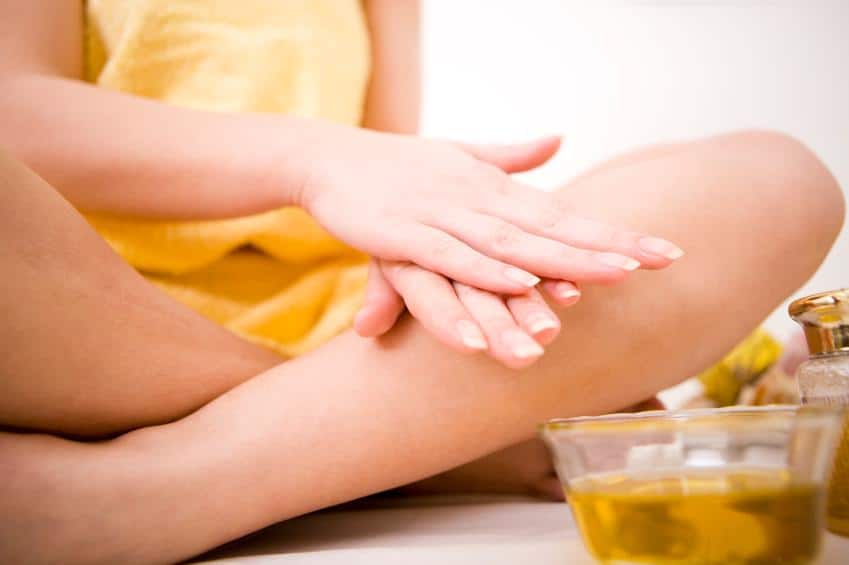

In a pinch, herbs can be applied directly to the skin as needed, so get to know the wild plants in your area and the benefits they afford.
The simplest way to apply an herb to the skin is to simply mash up a fresh herb and apply it directly to the sting, itch, or wound. The herb can be mashed up with whatever is handy. It can even be chewed if need be. The mashed-up herb, applied directly to the skin, is called an herbal poultice. Herbal poultices can be used to control bleeding or stop and reduce pain and swelling. They also relieve insect bites and are useful when sprains and strains occur. If applying the poultice to broken skin, apply a thin cloth between the herb and the skin.
You can prepare an herbal compress by making a strong herbal tea and dipping a cloth into the tea. The cloth can be applied to the skin hot or cold, depending upon the nature of the problem.
Some of the best herbs for the skin include several common weeds. Plantain, chickweed, burdock root, cleavers, and jewelweed are just a few outstanding weeds. Most are best used when fresh. In order to have them in your herbal first aid kit for future use, you will need to preserve some of the fresh herbs.
St. Johnswort Oil
I explained how to make herbal oil quickly using a stove during the last article. Now I am going to teach you how to make gorgeous deep red herbal oil from St. Johnswort. It is wonderful for nerve pain. St. Johnswort oil is often sold at herb shops for quite a bit of money, but you can make your own for the cost of some olive oil.
Ingredients
- Freshly gathered St. Johnswort flowers and buds
- Olive oil
- Rosemary essential oil (optional)
Instructions
Gather your St. Johnswort before noon if possible. The essential oil content is highest at that time. Wait until the dew has evaporated, however.
Lay the flowers out on a plate or screen for a half hour or so to give insects time to get out of the flowers.
Place the flowers in a clean canning jar. Pack them very tightly, bruising them as you pack. Add olive oil to a depth of 1 inch over the flowers. Stir them to release any air bubbles.
Place the jar in a sunny window and shake it daily for 2 weeks.
Strain the flowers with several layers of cheesecloth, extracting as much of the herbal goodness as possible.
Add a few drops of the rosemary oil to help preserve freshness, if desired. The rosemary helps relieve muscular pain too.
If you want to make your oil extra strong, replace the spent flowers with fresh ones every two weeks. Follow the same procedure to strain out the old herbs.
To use: apply oil to any areas of nerve type pain. The oil can be used as a base for salves as well. It has been used to relieve shingles and burns which have healed over yet still hurt.
New “Survival Herb Bank” Gives You Access to God’s Amazing Medicine Chest
Comfrey and Calendula Ointment
Salves are made from herbal oils. They provide healing benefits from the herbs, moisture, and a barrier that protects tender skin.
Comfrey root is one of the best herbs for external wound healing. Calendula is a pretty garden flower that benefits the skin and is antibacterial.
The following salve can be made with fresh or dried herbs; however, fresh herbs are best. Here is how to make an herbal salve:
Ingredients
- ½ cup comfrey root
- ½ cup tightly packed calendula flowers
- Olive oil
- 1 oz. beeswax, grated
Instructions:
Make herbal oil following the instructions for the fast method used in the ear oil recipe or using the slow method described in the St Johnswort oil recipe.
Using a double boiler, stir the oil and beeswax together until the beeswax melts. Pour into small tins or similar containers. Store at room temperature.
This salve can be used to promote healing of cuts, scrapes, chafed skin, and diaper rash. It is very soothing. However, do not use it for fresh burns, deep wounds, or if a staph infection is present.
Itch Relief
Here is an easy remedy to keep on hand to relieve itching. Do not use it on broken skin or on mucus membranes.
Ingredients
- 1 cup witch hazel extract
- 1 cup apple cider vinegar
- 1 oz. myrrh resin
- 1 cup peppermint leaf (dried)
- ¼ cup barberry root bark
- 1 teaspoon tea tree oil
Instructions
Combine all ingredients except for tea tree oil in a canning jar. Shake daily for one week.
Strain out the herbs. Stir in tea tree oil. Store in a cool dark place. Be sure to label the preparation “For External Use Only. Keep Out of Reach of Children.”
To use: dab on gently to insect bites and rashes. Do not use on broken skin.
The final article of the Making an Herbal First Aid Kit series will offer suggestions for rounding out your kit and will include remedies for headaches and other ills.