 Print
Print
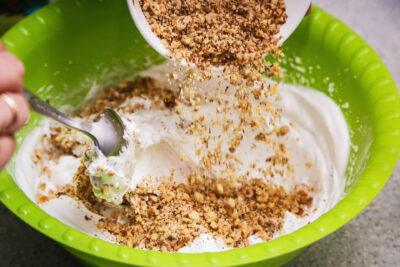 Yogurt is full of healthy bacteria which keeps your digestive system running and provides calcium for healthy bones. It is a tasty way to start your family’s day and simple enough to make at home. After you make your first batch of yogurt, you will be finished with commercial yogurt forever.
If you want to make yogurt at home and avoid chemicals and unknown ingredients, the following recipe will get you started. You need to have a container of plain yogurt for your first batch in order to get the cultures started. Once you have your first batch made, keep some out in a separate jar to use as the starter for your next batch.
Yogurt Ingredients and Tips
Practically everything you need to make yogurt is in your kitchen.
- 1/2 gallon milk
- 2-3 tablespoons plain yogurt (starter)
- 8-to-10 quart stock pot
- 4-to-5 quart stock pot with a lid
- Spoon
- Hot water bottle or heating pad
- Thermometer
- Sterilized jars with bands for storing yogurt
You can adjust the amount of milk used based on how much yogurt you want to make. The amount of milk used is the amount of yogurt you will yield. If you start with one gallon of milk, you will make one gallon of yogurt.
You can use any type of milk; however, whole milk and raw milk make creamier, thicker yogurt than skim milk or low fat milk.
Make “Off-The-Grid” Super Foods Secretly In Your Home
If you buy plain yogurt for cultures, make sure you buy plain yogurt that has active cultures. After you make your first batch, you should store some of the yogurt for future batches. You can freeze your yogurt starters for a longer life span. You can also use freeze-dried yogurt cultures instead of yogurt.
The brand of yogurt shouldn’t matter; however, Dannon plain yogurt is known for being an excellent starter. You should also leave your yogurt unopened until you are ready to use it.
Steps to Making Yogurt
Now that you have the necessary ingredients and materials, you are ready to make your first batch of yogurt.
First, pour the milk in a pan with a heavy bottom to prevent sticking and burning. Heat the milk to 185° to 195°F. When the milk reaches this temperature, remove the pot from the heat. At this point, you need to immerse the pot in cold water to stop the heat. Watch the thermometer until the temperature is 120°F.
Next, you will add the plain yogurt with active cultures (the starter) to the milk. You need to use six to eight ounces of plain yogurt per gallon of milk. If you are using a starter from your own yogurt, use one cup per gallon of milk. Stir the mixture well to distribute the cultures throughout the milk. A whisk works well for this process.
Next, you need to keep the milk mixture warm (but not hot) for about seven hours for the culture to work through the milk. This allows the bacteria to develop and create the tangy taste you know as yogurt. You can use a heating pad to keep the milk warm. Once the seven hours are up, you should see a film on top of your yogurt. You can remove this in the next step as you put it in jars.
You are now ready to take your yogurt out of the heat and put it in your sterilized jars. Some people like to use a small mesh strainer while they are pouring the milk mixture into the jars to catch the film that has formed across the top. After pouring into jars, use a spoon to remove the bubbles that may have formed on top of the yogurt mixture.
Secure each jar and place them into a cooler that is deep enough for the jars and some warm water. Heat one gallon of water to 120°F and pour it around the jars in the cooler. Close the cooler lid, and put the cooler in a draft-free area for no more than three hours.
At the end of three hours, put the yogurt jars in the refrigerator. This will help the yogurt become firmer. Store it in the coldest part of your refrigerator until you are ready to eat. You now have your first batch of homemade yogurt. You should make sure you reserve enough cultures to start your next batch.
Sweeteners and Flavors
If you like your yogurt slightly sweetened, you can add honey or other natural sweeteners to your bowl when you are ready to eat it. However, if you want to flavor your entire batch of yogurt, you can do so before the incubation period and have prepared flavored yogurt. The following are some of the ways you can flavor your yogurt.
- Add any of the following to the scalded milk, just before adding your culture: honey, maple syrup, molasses, vanilla, almond, peppermint, or other flavorings. You can also use instant coffee for java-flavored yogurt.
- If you prefer spices, try cinnamon, nutmeg, mace, or ginger.
- If you want to use jam, peanut butter, or preserves, place two tablespoons in the bottom of your jars before incubating.
- You can buy powdered fruits from specialty grocers and use these in your yogurt for flavorings.
- Fresh, canned, or dried fruit should not be added until you are ready to eat the yogurt. Some of these contain too much acid, which can cause the yogurt to curdle and not properly ferment.
- Always remember to reserve one cup of plain yogurt for your next starter.
Homemade yogurt is more economical than store-bought yogurt and making your own allows you know what is in every batch. Many people don’t realize that some commercial yogurt contains pectin or other ingredients to help make the consistency creamier. You also have no way of knowing how much sugar is in the yogurt. However, if you make your own, you can control the sugar and additives that are in it. Your family will have healthy yogurt, and you will have peace of mind knowing what is in every spoonful.