 Print
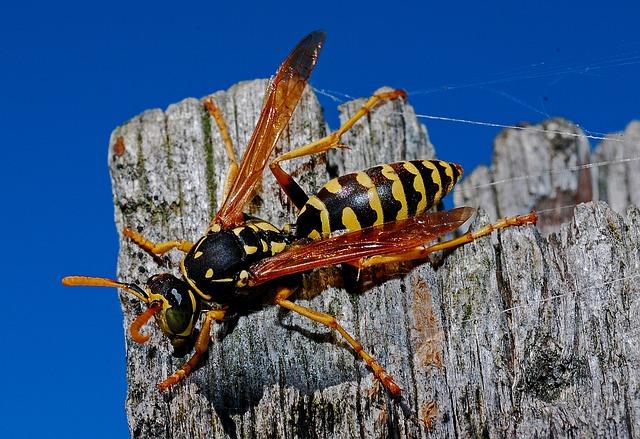
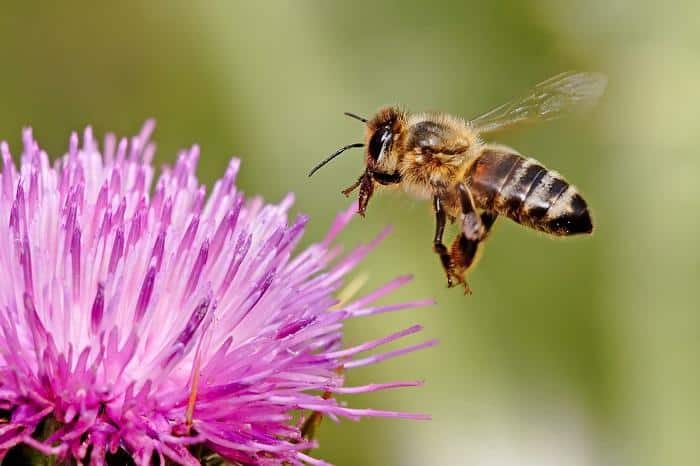
Early fall can be the most likely time to get a painful bee or wasp sting.
It is during this time of year that the wasp colony’s social structure changes from raising workers to raising queens. Their behavior may seem erratic and more threatening than usual. The surviving fertile wasps will then hibernate over the winter months before starting new colonies next spring.
The best way to avoid a wasp or bee sting is to be aware of your surroundings. The best prevention for a wasp sting is awareness. Observe where they live and where they congregate. Sometimes you may find yourself in the wrong place at the wrong time, however. It is then that you may need some natural options to relieve the pain and to speed the recovery process.
The first step is to remove the stinger if it is still in your skin. Wasps, bees and hornets have stingers as a means of self-defense. A wasp transmits poisonous venom to its victim during a sting.
A wasp can sting you more than once during an attack. A bee, though, can sting you only once. A bee’s stinger may continue to secrete venom into your skin if you do not remove it quickly, however. To remove the stinger, use your fingernails, a pair of tweezers or the edge of a credit card. Work to get the entire stinger out in one piece.
Next, if you are able, clean the area with soap and water. Cleaning will help prevent the introduction of bacteria into the wound area.
Now, you are ready to do something about the pain of a bee or wasp sting. Here are eight natural remedies.
1. Mud
If you are away from home and your first-aid supplies, mud can be a quick and easy option. My son got stung at his older brother’s baseball game once, and fortunately, I remembered this natural option. As mud dries, it draws out the stinger. I simply used my water bottle and some soil to make a muddy paste. Before I applied the paste to my son’s arm, the area was already beginning to swell, and it was quite painful. Within about a minute or two of applying the mud, however, the swelling had gone down and the pain had lessened.
2. Apple cider vinegar
Simply soak a cotton ball or part of a washcloth in apple cider vinegar and apply it to the sting area. The vinegar provides a quick pain relief and offers antibacterial protection.

3. Honey
When you dab a little honey on a bee or wasp sting, you can see and feel results in minutes. Please note: Do not use this remedy if the person is allergic to bees or to honey.
4. Lavender essential oil
Lavender oil works to neutralize the venom of the sting. Simply apply one or two drops of oil to the wound.
5. Crushed garlic
Garlic has amazing healing properties. Crush a garlic clove or two in order to release the juices and then hold the cloves against the wound. Cover the area with a cotton ball or towel for 20 to 30 minutes.
6. Baking soda
Try making a paste of baking soda and water.
It works as a base, helping to neutralize the sting and to reduce pain and swelling. Let the paste sit on the wound for about 20 minutes.
7. Turmeric
Combine one tablespoon of turmeric with just enough water to make a paste. Its natural anti-inflammatory properties help ease pain and swelling.
8. Aloe Vera gel
Keep an Aloe Vera plant growing in your home for burns and stings. Break off one of the leaves or the tip of a leaf and then open it up to access the gel inside. This natural remedy soothes and cools the pain of a sting.
Most people can bounce back from a bee or wasp sting rather quickly — usually within several hours after being stung — without complications. A small percent of the population, however, can have severe reactions. These reactions can range from what are called “large local reactions” (10 percent), a term used for swelling and redness that can increase for two or three days after the sting, to life-threating anaphylactic shock (3 percent). Anaphylaxis occurs when your body goes into shock in response to the venom of the sting.
If you or a family member is allergic to bee stings, do not rely on a natural bee sting treatment alone. See your doctor for emergency treatments that may include the use of an epinephrine auto-injector (EpiPen).
Signs and symptoms of anaphylactic shock can include hives, welts, itching in areas of the body not affected by the sting, shortness of breath and dizziness. If you experience any of these symptoms, seek medical attention right away.