 Print
Print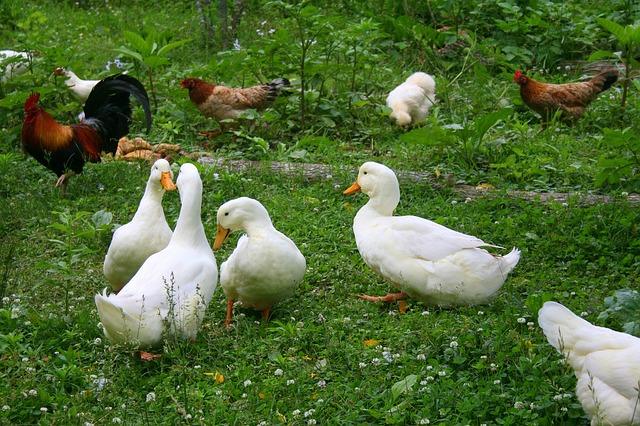
There is nothing quite as picturesque as a farmyard setting with chickens, ducks and perhaps a turkey or two wandering around. Unfortunately, a mixed flock may be more trouble than it’s worth. If you’re considering keeping different species of fowl or poultry together, there are a few advantages and disadvantages to keep in mind.
Advantages of a Mixed Flock
Some common reasons people want a mixed flock includes:
1. Aesthetics. Many people find a mixed flock to be very visually pleasing. While this alone isn’t a good reason to keep different species together, it is important to some.
2. Saves space. Depending on the species you are keeping, you can save space by keeping fowl together. You may be able to keep the fowl in one coop or at least have them share a yard/pasture/pond/etc.
3. Saves money. The above advantage also can mean that keeping a mixed flock can save you money in terms of building materials and fencing. This can be very tempting if you are building your pens or other structures from scratch.
Diatomaceous Earth: The All-Natural Livestock De-Wormer
4. Beneficial for land: Keeping a mixed flock may benefit your property as each species contributes something. For example, chickens are great for keeping insects in check but may not eat pests like slugs. A few ducks will take care of the slugs, however. Chickens and ducks will eat some grass, but geese are excellent grazers.
5. Entertainment: Entertainment may seem like a funny advantage, but just like aesthetics, it can be a huge advantage for some people. Watching the interactions and behaviors between species can be quite fun and even educational.
There are many reasons people decide to keep different species of fowl together, but generally it comes down to saving space and saving money. Unfortunately, keeping different species together can easily become a problem.
Disadvantages of Mixed Flocks
If you are seriously thinking about combining different species, consider these three potential problems:

1. Bullying. Bullying is easily the most common problem of keeping different animals of any type together. Fowl, in particular, can be quite territorial and aggressive; a simple Google search will show you numerous threads in forums in which people with just one flock of chickens need help with bullying problems. While some species get along together naturally, like ducks and geese, you can quickly run into problems when it comes to a big size difference like turkeys and chickens. Injuries and death can and do occur.
2. Disease. The next common problem with a mixed flock is disease and illness. There are a couple of specific issues with disease. First off, some fowl act as a disease carrier between species. For example, chickens are carriers of blackhead disease. This is the main reason hatcheries and breeders often stress to keep these birds separate. Secondly, some species are more susceptible to diseases than others. Something like a respiratory issue in a chicken flock can be more easily treated than a mixed flock with the same problem. Simply put, keeping species separate gives you bio-security against disease and allows more efficient treatment of illness and parasites.
3. Malnutrition. There is a common misconception that malnutrition always coincides with being underweight. In reality, livestock can be malnourished even if they visually look well-fed and healthy, even overweight. Malnutrition is simply a condition of livestock not receiving the proper nutrients in their food. Typically, if someone has one type of fowl, say chickens, they will buy chicken food. If they only have turkeys, they will buy a turkey food. Oddly enough, many people with mixed flocks just throw out one type of feed. This will quickly lead to malnutrition, deformities and even death. Each species must eat a species-appropriate diet, which can be very tricky in a mixed flock.
These three disadvantages are just the most common reasons why mixed flocks aren’t a good idea if you don’t seriously take planning and diet into consideration.
How to Make a Mixed Flock Work
If you are set on making your mixed flock work, you will need to do some homework. First off, limit how many species you are going to mix. Two or three species should be your limit unless you happen to have a massive amount of space.
All The Answers To Every Chicken Question And Quandary …
To limit bullying problems, it’s wise to make sure each species has its own areas to hang out around. For example, a large feature will keep ducks away from your chickens, although they may be in the same fenced area. In this case, an added benefit will be that your ducks, who will undoubtedly make a watery mess of their area (be it a pond or sunken-in trough), won’t dirty up your chickens’ water, feeders and dirt bath areas.
Waterfowl should be given ample space in terms of water, so you can avoid bullying problems among geese and ducks. A large pond will allow them to create their own territory boundaries, but if you don’t have that option you should give them different watering spots with plenty of space around them.

Despite the potential for disease between chickens and turkeys, many people still keep them together. If you’re only raising two or three turkeys for the holidays, they may get along well with your chickens since it will only be temporary. If you plan to keep more than this or have hopes to breed, it would be best to keep them separate, as turkeys will act quite dominantly toward chickens. They might share a fenced-around area but should not be housed in coops together.
As for feeding, you will need to come to some compromise to ensure all the birds get what they need to eat. You could feed them separately, but this will take up a lot of time. Instead, you should choose which species you cohabitate carefully. For example, you could keep chickens and ducks together on a non-medicated chick grow feed but add in calcium in a separate area for the laying hens and supplement extra protein for the ducks.
Raising a mixed flock can be very rewarding, but should be approached cautiously. Even a healthy, peaceful mixed group could suddenly go bad at the drop of a hat. Always be prepared for this by having some means of housing the birds separately if such an event does occur.
Do you keep a mixed flock or have done so previously? Please share your opinions in the comment section below.