 Print
Print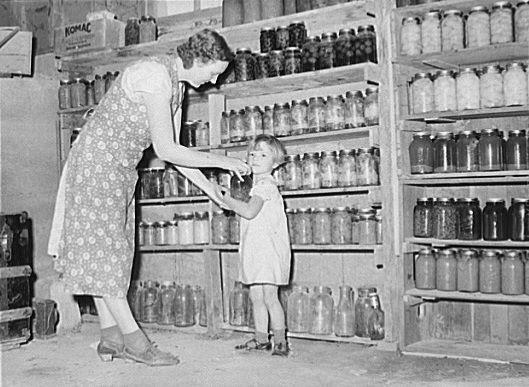
There was not a fully-stocked food store on every corner when our great-grandparents were alive, and most of them did not have access to anything resembling modern supermarkets.
Selection and availability were limited during days of old, and much of their food was either homegrown or locally sourced. Our ancestors probably had a few tricks up their sleeves when it came to keeping food at home, and might be able to offer some guidance to those of us who manage food today.
Here is some of the advice our great-grandparents might share with us today:
1. Storage does not improve food. If the quality is marginal when it goes into the freezer, the Mason jar, or the bulk storage container, then it will still be marginal—at best—when it comes out. It is a good idea to select the finest products for storing and preserving, and eat the blemished foods fresh.
2. The above tip notwithstanding, do not waste food. If it’s the best you have, or all you have, and you need or want some for later—then by all means store it! Food storage, like most things to do with homesteading, is all about doing the very best you can with what you have.
3. Store only what you will eat. It sounds simple, but it is all too easy to get lulled into preserving food just because you can, and without questioning whether or not you should. I got so carried away with canning one season that I put up foods my husband and I don’t even like. I gave a little away to friends and relatives, but it didn’t appeal to them, either. The steers got most of it and were appreciative, but it was an expensive and labor-intensive livestock feed that I will make sure never to repeat.
4. Go for the easiest way first. Choose the food storage method which requires the least effort, the least cost, the least equipment, and the least supplies. If storing dry beans in a glass jar works for you, do that instead of going to the trouble of using long-term storage buckets with the air removed. If root-cellaring works in your situation, do that instead of canning.
Just 30 Grams Of This Survival Superfood Provides More Nutrition Than An Entire Meal!
If freezing is easier for you than canning and you have what you need to do it, freeze on! You can always upgrade later—for example, if your root-cellared carrots or jars of homemade fruit leather start to look iffy, freeze them before you lose them.
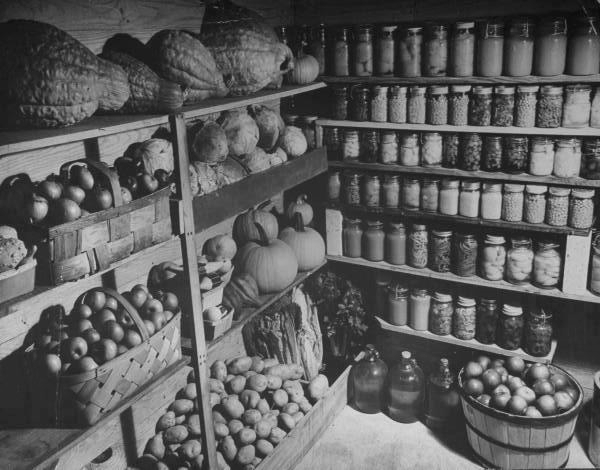
5. Store enough to tide you over a shortage. Unexpected events happen, from tomato blight to drought to livestock loss. Commercial foods are sometimes suddenly and inexplicably unavailable, as well. For example, it was hard to find bottled lemon juice in any of the stores one summer season, leaving home food preservers scrambling to find it wherever they could. Since then, I have always made sure I tuck away a little extra of all my essentials in addition to what I need for the current season.
6. Do not get too hung up on fancy items. Sure, maple sweetened carrots and complicated chutneys are great for special occasions, but make sure you remember the basics. Most people won’t find a place on their table for fancy foods every day, but will need plenty of plain pumpkins and dry beans and their favorite varieties of rice. Balance the everyday foods with the special ones and you will hit it just about right.
7. Keep an eye on the environment around your food. Is it hot, cold, dry or humid? The conditions may have been right for your food when you placed it into storage, but can change with the seasons. Avoid frozen Mason jars and hard-caked sugar and moldy squash by regularly monitoring your food storage environment.
8. Guard against pests. Make no mistake—everything out there is looking for a free lunch! Mice, rats, chipmunks, squirrels, voles, rabbits, birds and foxes, along with all manner of beetles and bugs, will gladly avail themselves of your hard-won foodstores if given the opportunity. Do your best not to give them the chance. Use a combination of hardware cloth, plastic and metal containers with well-fitted lids, deterrent and diligence to keep them out of your food.
9. Rotate your stock. Be sure to use up the oldest first. This practice, along with buying and preserving only those foods which will get eaten in your home, will prevent foods from getting too old to be safe or palatable.
10. Keep organized. Loss and frustration can occur from being unable to locate or access items. A scattered messy pantry might look unappealing, too, resulting in less efficient use of stored food.
Follow this time-tested food storage advice, and enjoy the successful bounty of growing and preserving your own food, stocking up at the store, and managing it all at home.
What food storage advice would you add? Share it in the section below:
Learn How To ‘Live Off The Land’ With Just Your Gun. Read More Here.