 Print
Print
The tremendous rise in electricity costs in the United States over the last 50 years has been driven by a combination of factors, including infrastructure aging, regulatory changes, increased fuel costs, and the shift to renewable energy. As the power grid infrastructure ages and the demand for energy-efficient and sustainable electricity grows, most economists and industry experts project that electricity costs will continue to increase. In this article, we’ll explore some of the historical context of electricity price trends, the contributing factors, and projections for future costs.
Historical Context: A Steady And Steep Rise in The Price Of Electricity
In the 1970s, the U.S. experienced a period of relatively low electricity prices, averaging around 3-5 cents per kilowatt-hour (kWh) in inflation-adjusted terms. However, the first oil crisis in 1973, coupled with increased regulatory measures, began a steady rise in electricity costs. Since then, several other crises and economic factors have influenced this upward trend:
1970s Oil Crisis: The oil embargo by OPEC in 1973 caused a rapid increase in oil prices, impacting electricity costs. During this period, many U.S. power plants were oil-dependent, leading to direct cost increases for electricity production. Utilities began exploring alternative fuel sources, but the price pressures persisted.
1980s Coal Dominance: The U.S. energy sector transitioned to coal as a primary fuel source in the 1980s to reduce dependence on oil. This helped stabilize electricity prices temporarily. However, the transition brought environmental concerns, leading to increased regulation and clean air policies, adding additional costs for coal-based generation.
1990s Deregulation: Deregulation in the 1990s aimed to promote competition and lower prices, and indeed, some regions experienced short-term decreases in electricity costs. However, deregulation also introduced volatility into the market, making prices less predictable and subject to market fluctuations.
2000s Natural Gas Shift and Volatility: With advances in hydraulic fracturing (fracking), natural gas became more accessible and affordable, leading to a shift from coal to natural gas in electricity production. However, natural gas prices are notoriously volatile. As electricity demand grew, prices rose again in response to increased demand and regulatory costs.
2010s Renewable Energy Push: In response to climate change, the 2010s saw a significant push toward renewable energy sources like solar and wind. While renewable energy sources are supposed to reduce fuel costs and carbon emissions, integrating them into the power grid requires significant investment in new technology, storage, and transmission, which has added to the overall cost of electricity.
COVID-19 and Supply Chain Issues: The COVID-19 pandemic brought unique challenges to the power sector, disrupting supply chains, increasing labor costs, and reducing demand temporarily. In the recovery period, demand surged, and supply chains struggled to keep up, pushing prices upward.
The Price Of Electricity Rose 400 Percent!
From 1970 to 2020, average electricity prices rose from around 3 cents to approximately 13 cents per kWh, adjusted for inflation—a more than fourfold increase. Today, electricity prices vary widely by region, with New England and California experiencing some of the highest rates due to high regulatory costs, fuel prices, and infrastructure investments.
Factors Driving Current and Future Increases in Electricity Costs
Several interrelated factors contribute to the rising electricity costs today, many of which are expected to impact future prices as well.
Aging Infrastructure and Maintenance Costs: Much of the U.S. power grid infrastructure is over 40 years old and requires substantial maintenance or replacement. As equipment ages, maintenance costs rise, and utilities must pass these costs on to consumers. According to the American Society of Civil Engineers, bringing the grid to a sustainable standard would take over $1 trillion. This maintenance burden is a significant factor pushing costs higher in many regions.
Renewable Energy Transition Costs: The transition to renewable energy sources, while necessary for environmental sustainability, requires significant investment. Renewable energy production and storage infrastructure, including battery technology, are still relatively expensive, although costs are gradually decreasing. As utilities work to integrate renewables into the grid, they also need to invest in grid management technologies to balance the intermittent nature of renewable sources. These costs are often absorbed into electricity prices for end consumers.
Environmental Regulations and Carbon Pricing: Regulations aimed at reducing greenhouse gas emissions, such as the Clean Power Plan and other state-level carbon pricing initiatives, add costs for utilities, especially those reliant on coal or other fossil fuels. Compliance with these regulations often involves retrofitting plants, implementing carbon capture technologies, or transitioning to cleaner fuel sources—all of which are costly processes.
Natural Gas Price Volatility: While natural gas remains a critical part of the U.S. energy mix, it is a highly volatile commodity. Natural gas prices fluctuate based on global demand, geopolitical events, and extreme weather conditions. Since over a third of U.S. electricity generation still relies on natural gas, price swings can significantly impact electricity prices.
Extreme Weather Events and Climate Resilience: Climate change has led to more frequent and severe weather events, such as hurricanes, wildfires, and heat waves. These events damage infrastructure and require costly repairs and preventive measures, such as building resilient infrastructure and investing in emergency response capabilities. For example, in states like California, utilities have had to implement fire mitigation measures, including the costly process of burying power lines underground.
Increasing Demand for Electricity: As the population grows and more technologies become electrified—such as electric vehicles (EVs), smart appliances, and even entire buildings—demand for electricity is expected to increase. Meeting this demand will require further investment in generation, storage, and transmission capabilities, which will likely translate into higher costs for consumers.
Future Projections: A Continued Upward Trend
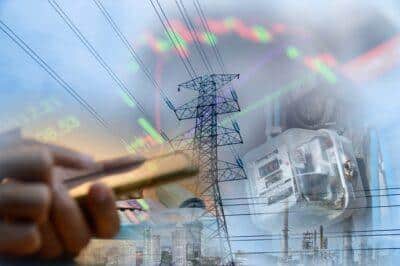
Economists and energy experts predict that electricity prices in the U.S. will continue to rise over the next few decades. The U.S. Energy Information Administration (EIA) projects an annual increase in residential electricity prices of approximately 1-2% through 2050, assuming inflation-adjusted values. Several factors are likely to influence this trend:
Investment in Renewable Energy: As the U.S. works toward ambitious climate goals—such as achieving 100% carbon-free electricity by 2035—the need for investment in renewable energy infrastructure will remain high. The costs of developing and deploying new solar, wind, and battery storage facilities will be substantial, though technological advancements may help mitigate some of these costs over time.
Electrification of Transportation and Industry: The anticipated shift to electric vehicles (EVs) and the electrification of various industries are expected to increase demand for electricity significantly. This surge in demand will necessitate the expansion of generation capacity, which will likely contribute to higher electricity prices, especially in regions with high EV adoption rates.
Inflation and Energy Market Dynamics: Ongoing inflation and global energy market dynamics will continue to influence electricity prices. As the worldwide energy demand grows, competition for resources like natural gas will likely intensify, impacting fuel prices and electricity costs.
Emerging Technologies and Storage Costs: Battery storage and other energy management technologies are essential for integrating renewable energy into the grid. Although storage technology costs have decreased significantly in recent years, large-scale deployment remains costly. Suppose utilities adopt battery storage and other technologies on a large scale. In that case, these costs will likely be passed on to consumers in the form of higher electricity rates.
Policy Changes and Decarbonization Efforts: With climate change policies becoming more stringent, the costs of compliance and adaptation will continue to drive electricity prices upward. As states implement more aggressive emissions reduction targets, utilities will need to invest in cleaner technologies, creating upward pressure on electricity prices.
Mitigating Rising Costs: Possible Solutions
While rising electricity costs seem inevitable, there are potential strategies that policymakers and utilities can pursue to help mitigate these increases:
Investing in Energy Efficiency: Encouraging energy efficiency measures can help reduce demand, which, in turn, reduces the need for costly infrastructure expansions. Programs that promote energy-efficient appliances, weatherization, and smart grid technologies can help curb costs.
Expanding Grid Interconnections: Creating more interconnections between regional grids could allow for more efficient energy distribution and reduce the need for costly peak demand generation.
Promoting Distributed Energy Resources: Supporting smaller, localized energy sources like rooftop solar, community solar, and microgrids can reduce the need for significant infrastructure investments and transmission costs.
Conclusion
Electricity costs in the United States have risen significantly over the past five decades, driven by an evolving energy landscape, regulatory changes, and increased demand. As the country transitions toward a cleaner, more sustainable energy future, costs are expected to continue rising due to necessary investments in renewable energy, infrastructure upgrades, and climate resilience measures.
While the projected increases pose challenges for, strategic investments in energy efficiency and technological innovation may help reduce the financial impact, leading to a more resilient and sustainable energy system in the long term.