 Print
Print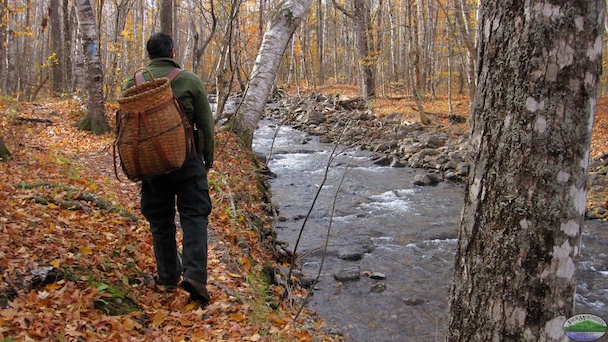
I’ve known quite a few avid bushcrafters in my day, and from Eagle Scouts to lifelong trapper/hunters, they all seem to have one thing in common: While they do enjoy teaching and mentoring a newbie bushcrafter, sometimes, the newbie is unaware of the prerequisite basics before you take your wilderness game afield.
So here are five of those basics, so that your bushcraft-wise buds aren’t shaking their heads after a half-hour of your night to (attempt to) build the evening’s fire. Hey, you’re just getting started, and we all know that … but one thing in common with all survivalists is that we like to be prepared beforehand. Here’s your chance to do just that.
Hammer out these rules in your home lab, so that you can spend more time practicing the harder stuff with your group in the field lab.
No. 5: Mind Your Manners
It is true that the obvious root-word of “wilderness” is “wild,” but this doesn’t mean that it’s proper to act this way while in God’s country. In fact, when you’re with a group of other camping bushcrafters, it is important to understand that you’re expected to have an added measure of consideration and mindfulness for others. Modern life is often one of solitude; whereas, camp life is community life.
Ultra-Efficient Water Filter Fits In Your Pocket!
This is why it’s important to note a few points of etiquette before your first bushcraft adventures…
- Don’t burn trash or plastic items, ESPECIALLY nearing dinner time.
- Always be conscientious of other people’s space, tools, gear, and most importantly, their sleep.
- Never shine your flashlight into another camp.
- If approaching another camp, it’s proper to shut off your lanterns or flashlights before asking permission to enter.
- Unless for hunting purposes, flashlights should only be bright enough to allow you to see where you’re going.
- Never step over food.
- Cleanliness, organization and tidiness are marks of a good bushcrafter.
- If you bring children, be sure that they also mind their manners.
- In the woods, there is peace and simple pleasures, so, leave your stereo at home, and only use your smartphone to check in with the homefront (if you’re required to do so).
- As I talked about peace, this also refers to voices. A raised voice could indicate danger, so make sure that your voice volume isn’t “crying wolf.” Keep your voice down.
- Speaking of danger, always have your eye on safety. If you see something unsafe, then be sure to say something. If you’re doing something unsafe, then humbly accept that the other person has your best interests at heart.
To boil down those points: be safe, be kind, and use your common sense.
No. 4: Know How To Build (At Least) 3 Types Of Shelters
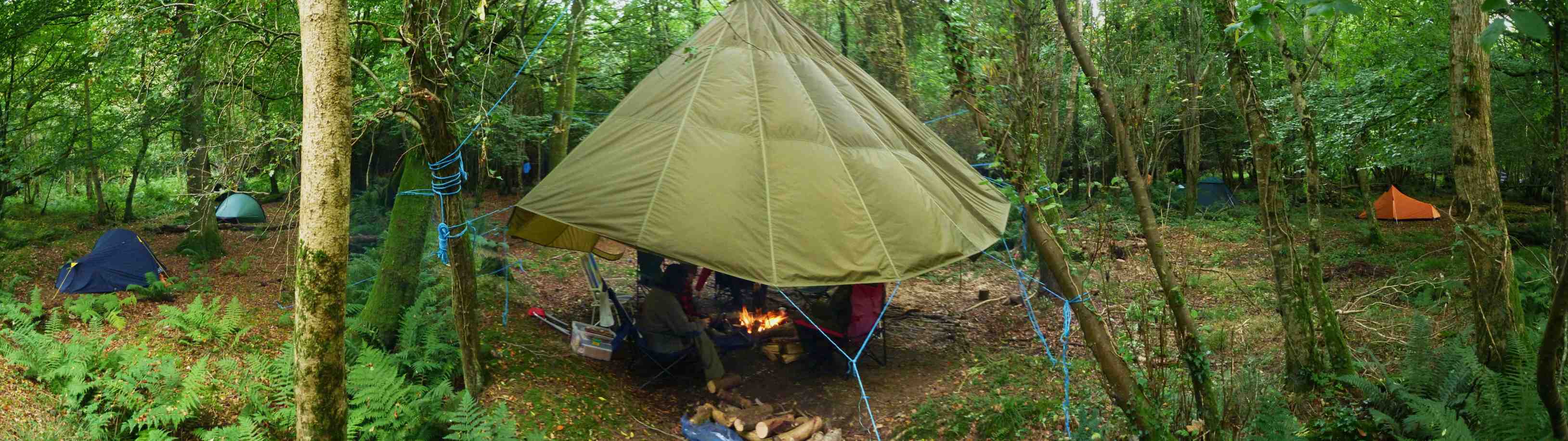
Your shelter will be your new home for a least one evening in the wilderness, which is why it’s important that you should at least have a basic knowledge of how to build three different types of shelters before you go out. Of course, you might not necessarily be able to practice in your home lab (lack of land, trees, space, etc.), but you can certainly do your homework before the test in this case.
Even if you bring along a tent or hammock, remember that nothing is indestructible. So if the shelter that you carried in has been rendered torn and unusable, then it’s best to at least have a backup plan. Here are three types of shelters that are good to know how to construct:
- A-frame (easiest difficulty, and is best for reflecting fire heat).
- Lean-to (moderate difficulty, yet will work for light rain and chill when fire is present).
- Debris hut (hardest difficulty, but most effective against cold and rain).
No. 3: Go With A Buddy Or A Group
This one is of MASSIVE importance.
Even some of the most seasoned bushcrafters will not venture out alone if they aren’t on their own property — and especially if help is far away or in an area that is known for its predatory wildlife.
If you’re just starting out, then you’re simply asking for trouble if you think yourself invincible to the unpredictable wild. Hypothermia can cause unconsciousness within minutes in freezing temps; a broken leg or ankle can leave you completely stranded in the wilderness; eating poisonous wild edibles can kill you within hours; and if you cross paths with a bear cub … some bear mothers can be mercilessly unforgiving.
Aside from the danger-factor, why go out alone in the first place?
You’ll have more fun, learn more new things, and create important connections with others of like minds if you find a bushcraft buddy or group. In fact, I’d even say that bushcraft has less to do with building fire, shelter and whittling — and more to do with how to build bonds of friendship and learn valuable lessons about how to work together in a small camp community.
The Secret To Starting Fires In Even The Most Extreme Conditions
No. 2: Learn 5 Ways To Make Fire … Without A Lighter
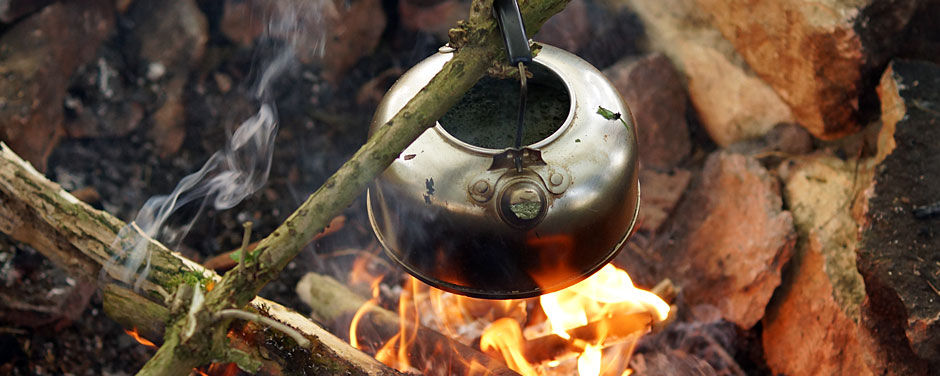
They say that if you built the fire, then you now own that fire. If your fire belches forth smoke and goes dead, then it happened on your watch.
Of course, you should certainly have a gas station Bic lighter on hand (because that’s just too easy)! However, for your wilderness outings, you should know how to use your fire steel in lieu of your lighter. Here are five great ways that you can practice building fire, so that your lighter feels like more of a luxury than an essential.
- Vaseline, cotton/lint balls, and fire steel
- Fresnel lens and tinder bundle
- Flint striker and char cloth
- Fire piston and char cloth
- Bow-drill/fireboard method
If you’re able to quickly and easily accomplish any one of these fire-making methods, then you’ll earn instant newbie-respect among your seasoned bushcraft compadres.
No. 1: HAVE FUN (Because You Won’t Frequent the Field Lab If You’re Not Enjoying Yourself Anyway)
If you’re all business or simply not having the least bit of fun or relaxation, then you won’t hit the trail nearly as often — which means that you won’t adopt the skill set that you’ve sought after from the beginning.
Not to mention, unhappy campers can bring the whole group down.
And that has a way of making it difficult to get invited back for another group outing. Open your mind, close your eyes, and breathe in the fresh woodland air. Truly, the wild is no place for bad manners, but it is certainly the place to allow your spirit to roam freely. And society might just call you “wild” in light of how you’re enjoying your time without them — which to me, is a compliment.
Hey, I may have neglected to list a thing or two that a newbie bushcrafter ought to know before the first time afield, so if you have a rule or etiquette pointer that you’d like to tell others, then feel free to comment below!
Have You Learned About Bow Hunting Yet? Rifle Hunting? Read More Here.