 Print
The First Black Friday Created A Scandal That Still Offers Lessons For Your Homestead
Two Speculators Promised To Help Farmers… Then Their Scheme Fell Apart
The Friday after Thanksgiving, Americans will hunt bargains before the coffee’s finished brewing. Some will stand outside stores in the cold. Others will sit at the kitchen table, clicking through deals while the leftover pie quietly disappears.
But long before Black Friday meant a marked-down television… it meant a financial wreck.
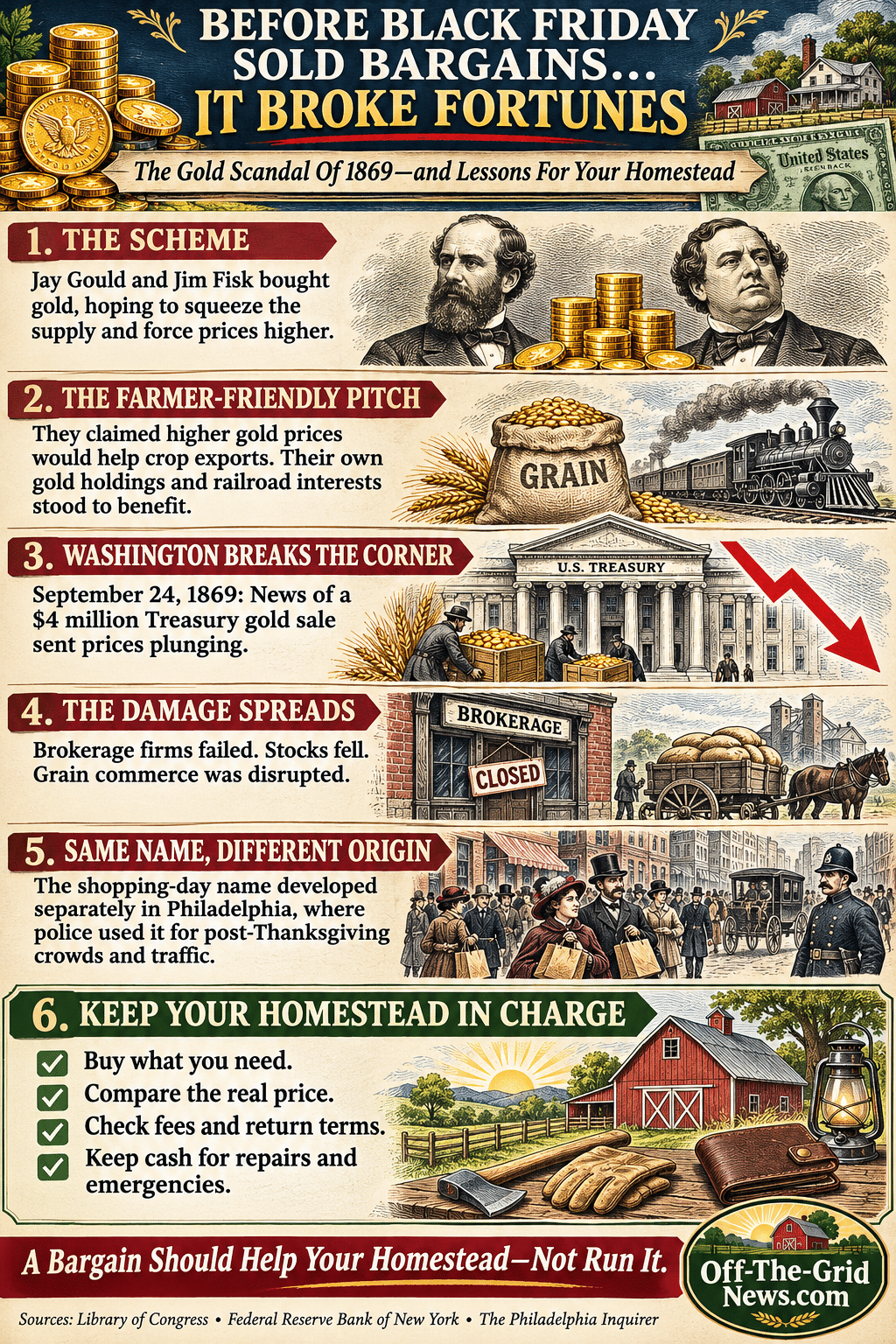
Here’s the origin story: On September twenty-fourth, eighteen sixty-nine, a scheme to corner the gold market blew apart, dragging brokerage houses and other people’s money down with it.
And here’s the part that ought to make a farmer set down his coffee: the men behind the scheme claimed they were helping agriculture.
They wrapped their own payday in somebody else’s overalls.
Now, the shopping holiday didn’t grow directly out of that gold panic. Its name has a separate Philadelphia history, which we’ll get to. Still, the older Black Friday carries a lesson worth taking along before you open your wallet: when somebody promises you a wonderful opportunity, find out who gets paid whether you win or lose.
The War Ended but the Money Kept Moving
First, picture an America still getting its boots back under it after the Civil War. Farms needed buyers, railroads needed freight, and the government had a mountain of war bills to manage.
Before the war, Americans used gold and silver coins alongside paper notes issued by banks. Then Washington began issuing federal paper money on a much larger scale. The wartime greenbacks weren’t redeemable in gold on demand, so their value against gold rose and fell.
That moving exchange rate opened a gate for speculators. And once there’s money to be made at an open gate, you can count on somebody showing up with a wagon. The shrewd ones wanted to grab an advantage before everybody else caught on.
By 1869, two particularly ambitious men had pulled up: Jay Gould and Jim Fisk. Gould was a calculating railroad operator with a talent for finding other people’s weak spots. Fisk was his flamboyant partner, a man who seemed to believe a little attention was good and a brass band’s worth was better.
Two Speculators Wanted to Grab the Gold
Together, they’d already tangled with Cornelius Vanderbilt over the Erie Railroad. Now they wanted to squeeze the gold market until the profits ran into their own buckets.
Here’s their plan in plain English. Buy enough available gold, keep competing supplies out of the market, and force people who needed gold to pay more. They wanted to dominate the supply and pocket the difference.
There was just one sizable problem: the United States Treasury owned gold, too. Like most plans involving a shared fence, this one depended on what the fellow on the other side decided to do.
They Claimed the Farmer Needed Their Gold Scheme
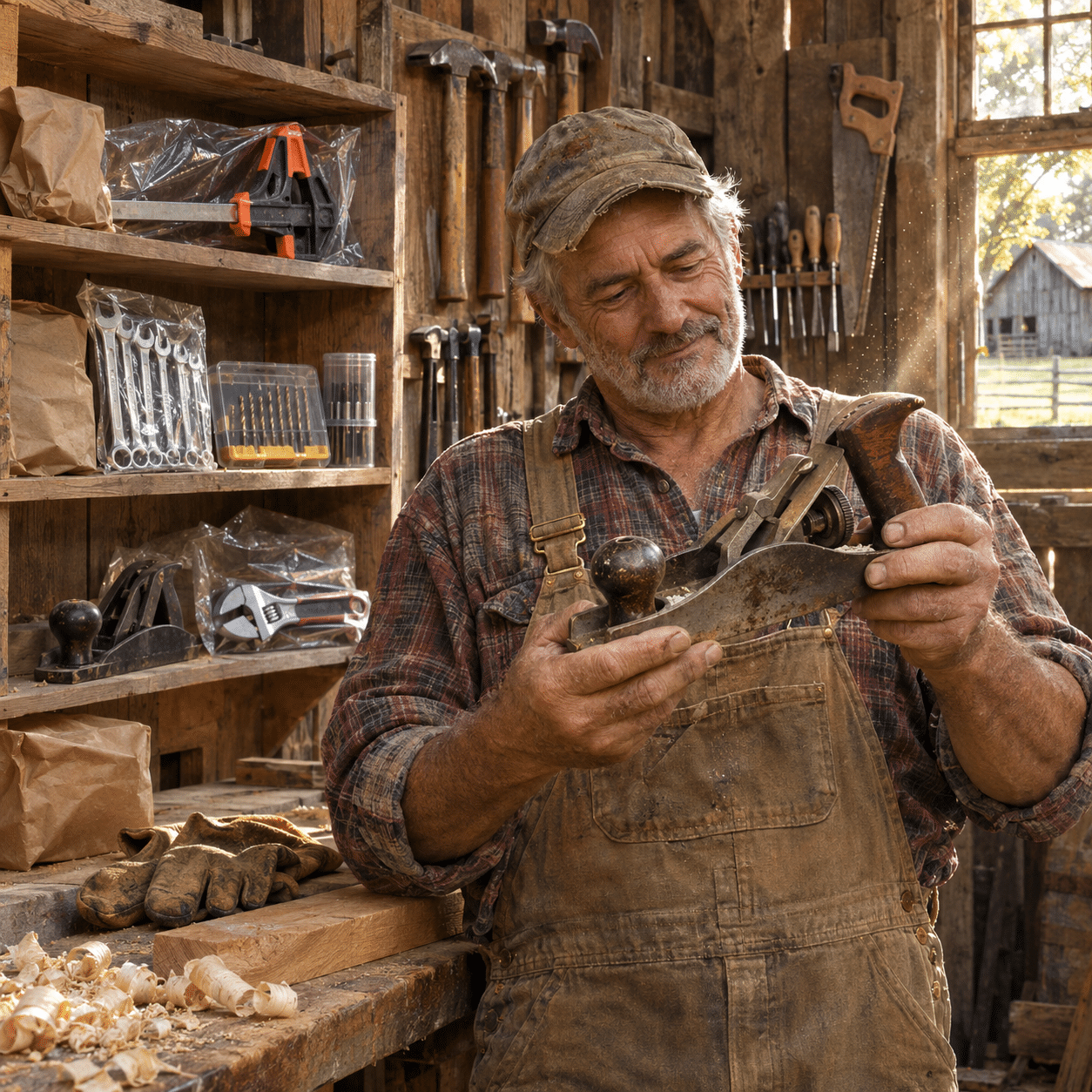
Normally, the Treasury sold gold for greenbacks. Those sales could spoil a corner by putting fresh metal into the market, much the way another load of hay can cool down an overheated auction.
So Gould needed Washington to keep the barn door shut. To make that sound respectable, he offered an argument about helping farmers sell their crops overseas.
Here’s the plain-language version. If gold became more expensive in greenbacks, the paper dollar became cheaper relative to gold. Foreign buyers could potentially buy American grain more cheaply, encouraging exports and moving the fall harvest.
That was the pitch. It wasn’t that every dollar in a farmer’s pocket would suddenly buy more at the general store. A weaker dollar and a fatter household budget aren’t the same thing.
Follow the Money Back to the Railroad
As the Federal Reserve Bank of New York’s account explains, Gould also had another interest in moving crops: his railroad could earn money hauling them. Rising gold and more freight offered him two possible paydays from the same sales pitch.
Naturally, the public explanation put the farmer out front. The speculators’ own interests stayed a little farther back in the wagon.
Whenever a connected man says his private fortune depends on doing something wonderful for you, it pays to read past the first paragraph. (Give it the same second look you’d give a neighbor’s “gentle” bull.)
A Family Connection Opened the White House Door
To reach President Ulysses S. Grant, the schemers leaned on Abel Corbin, a speculator married to Grant’s sister. Corbin supplied the family connection that money alone couldn’t quite buy.
Then Gould and Fisk pressed their case during a steamship trip between New York and Boston, traveling on a line Fisk owned. They talked about gold, crop exports, and the country’s prosperity. Somehow, their own growing gold positions didn’t receive the same public billing.
Grant hadn’t agreed to help them rig the market. Even so, the argument about crop prices gained enough ground that Treasury gold sales were paused. That gave the scheme room to grow.
Meanwhile, the men cultivated access to inside information. The Library of Congress’s history of the crisis describes Gould paying ten thousand dollars to the assistant U.S. treasurer in New York in exchange for information about government gold policy.
Inside Information Was Worth a Bribe
Now, think about that arrangement for a moment. Ordinary traders were in the dark, guessing whether Washington would sell. Gould wanted a steady flow of inside information from somebody close enough to the cupboard to know when the door was opening.
But the family connection eventually worked against the plot. Corbin’s pressure made Grant suspicious, and the president had his wife, Julia, warn his sister that Corbin needed to get out of gold speculation.
By then, the scheme had grown into something like a dry brush pile beside a hot stove. It didn’t need much more trouble.
Gould Found the Exit While Fisk Kept Buying
Once Gould learned he couldn’t count on presidential support, he began quietly selling. Yet his brokers kept making small purchases, luring other traders into thinking he was still confident. The show went on while he worked his way toward the exit.
Meanwhile, Fisk kept pushing ahead. He was still selling confidence while his own partner was selling gold.
There’s a chilling detail worth remembering. The man making the loudest promise may not know what his own partner’s doing behind him.
Washington Was About to Stop Them Cold
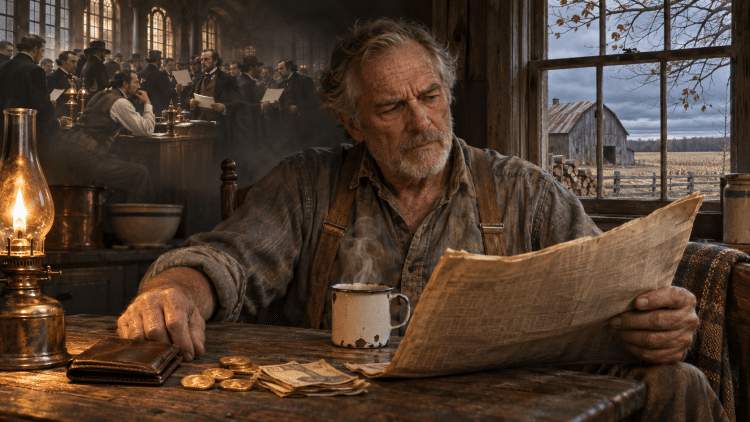
By Thursday evening, September twenty-third, trading had reached a fever pitch. According to the Library of Congress account, transactions at the New York Gold Exchange, better known as the Gold Room, had exceeded three hundred twenty-five million dollars.
That same evening, Grant authorized Treasury Secretary George Boutwell to sell four million dollars in gold. The government’s supply was about to punch a hole straight through the corner.
By morning, all that false confidence was about to collide with cold, hard facts.
Then Washington Kicked the Props Away
On Friday, September twenty-fourth, the Gold Room erupted in frantic trading. Gold prices shot upward while men scrambled to buy, sell, or escape earlier bets. Money and pride were on the line, and neither one encourages a fellow to admit he’s in trouble.
Before we go further, let’s clear away the fog around those old prices. When traders quoted gold at one hundred sixty, they meant about one hundred sixty dollars in greenbacks for one hundred dollars in gold coin. They weren’t quoting the price of an ounce.
The Library of Congress places the day’s high near one hundred sixty-two and the collapse near one hundred thirty-five. Other historical accounts give somewhat different figures, but they agree on the important part: once news of the Treasury sale arrived around midday, the price broke violently.
Imagine a hay wagon stacked too high, rolling too fast, with a wheel coming off on the downhill turn. That was the market after the government’s announcement.
Borrowed Money Turned the Plunge Into a Nightmare
For traders who’d borrowed to buy, the damage could go far beyond losing a hoped-for profit. The plunge could wipe out their money and leave bills they couldn’t pay. Then their brokers faced a nasty problem: the people who owed them money were running out of it.
Before long, brokerage houses were crumbling, and the trading records took days to sort out. Stocks plunged, too, sending shockwaves beyond the gold market. What had looked like a bonanza was turning into a financial nightmare.
An angry crowd wanted Gould and Fisk. The men escaped the immediate fury, while other people were left staring at the wreckage.
The promises had been loud. The exits were quieter.
The Farmer Was the Excuse and Commerce Took the Hit
Now comes the bitter part. The grain trade that supposedly justified the scheme was disrupted by the panic it helped create.
A farmer didn’t need a seat in the Gold Room to care about shaky buyers, frightened merchants, or financial trouble rippling through commerce. A crop can stand perfectly sound in the field while the business arrangements around it turn rotten.
The hardest direct blows landed on traders, brokers, and others with money tied to the market. But the disruption reached beyond that inner circle. Out in farm country, a family could tend its crops faithfully and still be vulnerable to trouble cooked up hundreds of miles away.
The Men Behind the Scheme Escaped Criminal Charges
The Library of Congress reports that Gould emerged with nearly twelve million dollars in profits. Whatever the exact reckoning of individual winnings and losses, the contrast is hard to miss: one of the men who helped build the trap managed to get out while others were caught.
Nor did the affair produce the swift punishment a reader might expect. A congressional investigation followed, but the main perpetrators escaped criminal charges. Grant was cleared of direct wrongdoing, and broad federal regulation of commodities trading remained years away.
So when somebody sells a financial scheme as a favor to working families, keep one hand on your wallet. Helping the farmer is a fine ambition. Using him as a billboard is something else.
Philadelphia Gave Shopping Its Own Black Friday
So how did Black Friday become associated with bargain hunting? Here’s where the history takes a different road.
The modern shopping name wasn’t simply handed down from the 1869 gold crash. Decades later, Philadelphia police used the phrase for the crowded, difficult days after Thanksgiving, when holiday shoppers and visitors for the Army–Navy football game jammed downtown streets.
According to The Philadelphia Inquirer’s examination of the name, a 1961 account documented police calling the post-Thanksgiving days Black Friday and Black Saturday. For officers facing jammed traffic and crowded sidewalks, the name was a complaint, not a celebration.
Retailers understandably preferred a sunnier meaning. Eventually, the familiar explanation spread that Black Friday marked the day stores moved from red ink into black ink, or from losses into profits.
A Gloomy Name Got a Fresh Coat of Paint
It’s a tidy story, but it doesn’t explain the documented Philadelphia usage. Nor should shoppers assume every retailer spends the whole year losing money until the turkey leftovers come out.
Over time, the gloomy name became a national shopping attraction. A phrase that sounded like trouble turned into something merchants could put beside a picture of a discounted refrigerator.
A fresh coat of paint can improve a barn considerably, provided nobody asks about the beams and the rest of the wood. It’s always worth looking underneath.
A Bargain Should Earn Its Place on Your Homestead
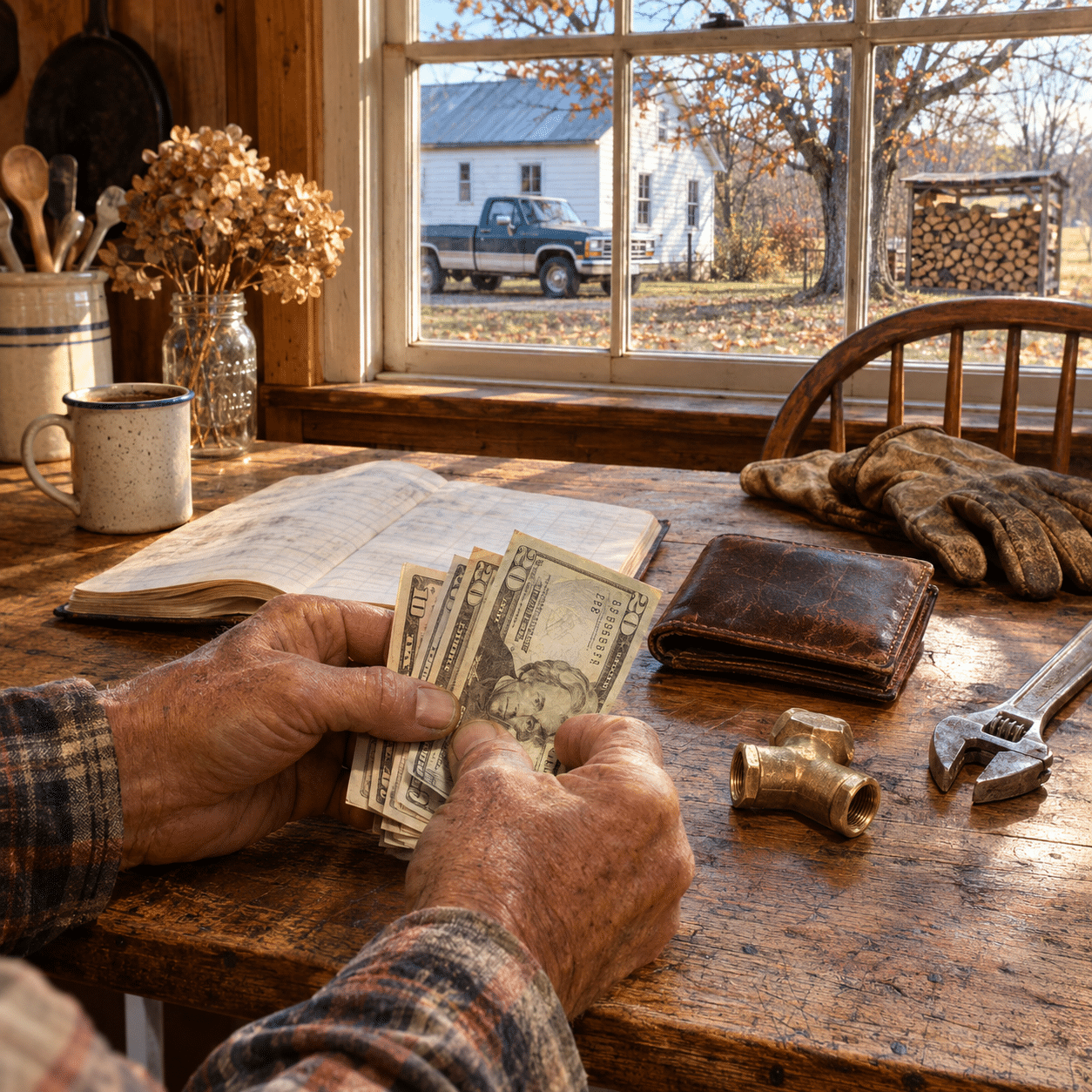
Of course, none of this makes bargain hunting foolish. If the chainsaw you already need drops to a genuinely good price, buying it can be plain common sense.
But start with the need, then check the price. Don’t let a flashing countdown decide that your barn suddenly requires three tools you hadn’t thought about yesterday. Most barns already have a shelf of tools bought during a brief spell of optimism.
Before you shell out, compare the actual model, check other sellers, and look at shipping, return terms, and any financing costs. A giant discount beside an “original” price doesn’t tell you much unless that original price means something. A sweetheart deal ought to survive a little scrutiny.
Then ask a homestead question: what will this purchase actually do for us? Will it fix something, save work, improve a backup plan, or replace equipment that’s worn out?
Cash in Your Pocket Has a Job Too
A useful purchase can earn its keep for years. An impulse purchase may spend those same years gathering dust on the shelf. That’s an expensive way to discover you didn’t need it.
With all the bank “outages” lately, it’s crucial to remember that money you sock away has a job, too. It can pay for the well pump that quits, the truck repair you didn’t see coming, or the winter fuel bill that arrives without a coupon. Having cash ready can stop a small emergency from turning into a scramble.
The lesson from 1869 isn’t that every sale is a swindle. It’s that another man’s confidence, connections, and promises don’t make your decision for you.
So enjoy the leftovers. Buy the good tool if you need it and the deal holds up. Just keep your own judgment between the sales pitch and your bank account.
A bargain ought to help you run the homestead. It shouldn’t run you.