 Print
Print
Heating your home is a critical, but what is the most effective fuel source to do it – and what should you use as a backup?
Electric heat? Stove oil? Propane? Wood? Choosing a fuel source can seem overwhelming when trying to balance both cost efficiency and heating efficiency.
Whether you live urban or rural, in the prairie or in the forest, your average seasonal temps are all variables that weigh heavily on choosing the most efficient heating source. In this article, I’ll detail five different common ways of heating your home and the pros and cons of each.
Electric Heat
Let’s start with one of the most common types of home heating in urban areas: electric heat. In many areas of the country, electric heat is popular because it is a relatively cheap source of heat. If you live in the Midwest this is especially true, where electricity prices average about 10 cents per kilowatt hour. If you live on the coasts or where I am (Alaska), however, you can pay upwards of 17 cents per kilowatt hour. This can make electric heat quite a bit more expensive than some other heat sources. Electric heat also can be problematic if you are living off-grid and have other fuel sources readily available that might be better put toward the use of heating your home.
Firewood
If you have an easily accessible source of wood in your area and don’t want to be dependent on other infrastructure systems for your source of fuel, heating with firewood may be your best option. Modern-day woodstoves have become much more efficient in recent years, with many models burning at upwards of 80 percent heating efficiency.
Are You Prepared For A Long-Term Blackout? Get Backup Electricity Today!
If you can cut the wood yourself, your fuel source also can be virtually free, leaving you with only the initial cost outlay for the woodstove itself. If you don’t have the means to cut your own firewood, the average cost for a cord (4 x 4 x 8 stack) of firewood is between $150 and $250, although this cost is heavily dependent on your area. You can expect to go through about 4-7 cords per winter season with a modern-day wood stove.
Stove Oil
Stove oil is also commonly used for heating homes. Stove oil is available in most areas of the country and is especially popular in the Northeast and my area of Alaska. Stove oil prices fluctuate just like gasoline prices, but current prices for stove oil are right around $3 per gallon. Although not ridiculously expensive, stove oil has a higher cost than both propane and natural gas, with the average household spending about $2,500 per household per winter season. Stove oil can be more efficient than heating with wood, however, and has efficiencies ranging from 80 to 90 percent.
Propane
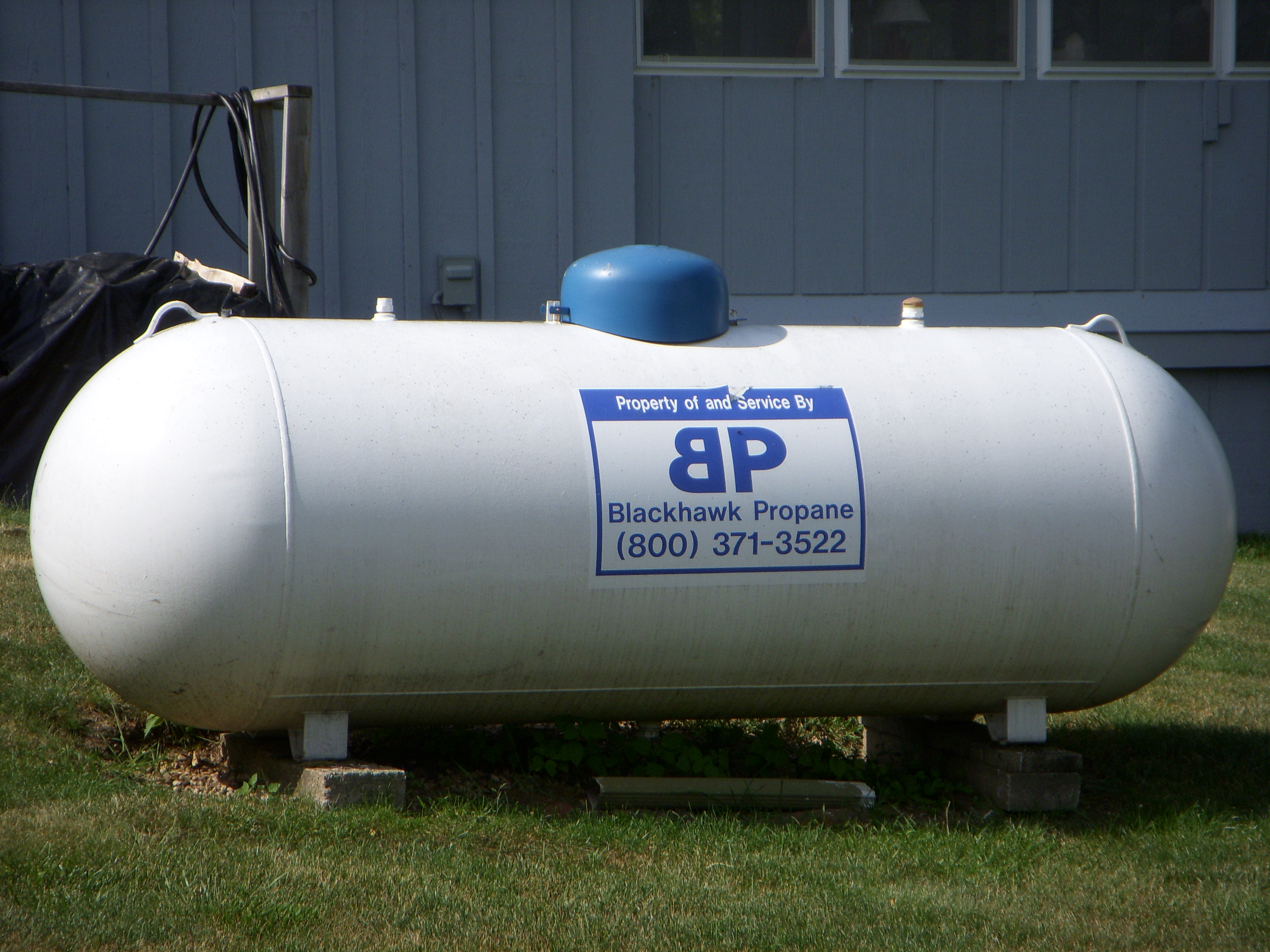 Although still fairly common, propane has been losing popularity in recent years as a heating fuel. Current average household propane costs for the country are right around $2 per gallon, but that price varies significantly region to region. In some areas, propane may be cost-prohibitive. In others, it may be vastly cheaper than electricity. Propane stove efficiency is not the highest, averaging 75 to 85 percent, but propane is a readily available source of heat in most areas.
Natural Gas
If you have access to it in your area, natural gas often can be an economical and efficient choice for heating. It is one of the most popular choices in the country, with as many as 56 million households using it for space heating (as of 2009). Using natural gas, you will be dependent on the infrastructure necessary to bring it to your home, but the cost savings may be worth it. While natural gas heaters often have standard efficiency comparable to propane stoves, your heating costs will be drastically lower. This cost also varies by area. The state of Massachusetts reported a winter home heating cost of over $3,000 for propane users in 2014, while that number for natural gas users was closer to $1,200.
Choosing which primary and backup fuel source is right for you requires a close look at a wide range of variables. Compare different fuel costs for your specific region of the country and be sure to take into account your budget for the initial cost of a stove and availability of chosen fuel source.
Aryn Young lives in Homer, Alaska, running a small farm and sustainable land-clearing operation.
What are your primary and backup sources of heat? Share your tips in the section below: