 Print
Print
THE Conventions of a number of the States, having at the time of their adopting the Constitution, expressed a desire, in order to prevent misconstruction or abuse of its powers, that further declaratory and restrictive clauses should be added: And as extending the ground of public confidence in the Government, will best ensure the beneficent ends of its institution.
There was no greater issue debated during the drafting and adoption of the U.S. Constitution than what the role of a new central government would be. All the delegates to the Constitutional Convention convened with fresh memories of British violation of civil rights before and during the Revolution. That collective memory led to a call for a “bill of rights” that spelled out the immunities of individual citizens.
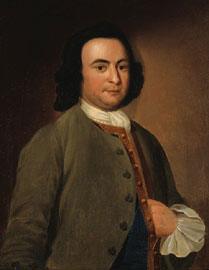
 When the delegates gathered at the Pennsylvania State House in May 1787 to “revise” the Articles of Confederation, Virginia delegate George Mason wrote, “The Eyes of the United States are turned upon this Assembly and their Expectations raised to a very anxious Degree.”
George Mason’s words carried a great deal of weight because his state of Virginia had adopted a Declaration of Rights written by him. That document greatly influenced Thomas Jefferson as he drafted the first part of the Declaration of Independence.
Mason left the first Constitutional Convention deeply disappointed and became one of the Constitution’s most vocal opponents. It wasn’t that he didn’t believe in every word of the Constitution; rather, he felt it didn’t go far enough. “It has no declaration of rights,” he was to state. He refused to sign the document until these faults were rectified. His views prevailed, and when James Madison drafted the amendments to the Constitution that were to become the Bill of Rights, he drew heavily upon the ideas set forth in the Virginia Declaration of Rights. In fact, six of the ten amendments to the Federal Constitution were taken from this document.
It was on September 25, 1789, the First Congress of the United States therefore proposed to the state legislatures twelve amendments to the Constitution. The first two proposed amendments, concerning the number of constituents for each Representative and the compensation of Congressmen, were not ratified. Articles three through twelve that were ratified by three-fourths of the state legislatures constitute the first ten amendments of the Constitution, now known as the Bill of Rights.
So why is George Mason one of the lesser-known Founding Fathers when he contributed so much to the foundation of our rights? Perhaps his strong anti-federalist stance, which emphasized a limited federal government in exchange for stronger states’ rights, had something to do with it. His vocal opposition to a strong government and his refusal to sign the original Constitution certainly didn’t win him any friends. In fact, it is believed that his position actually served to alienate him from long-time friend and neighbor George Washington.
Ensuring the rights and freedoms for the people of our fledgling nation, however, seemed worth the cost to George Mason. If only such a mentality persisted today– our nation would be the better for it.
©2012 Off the Grid News