 Print
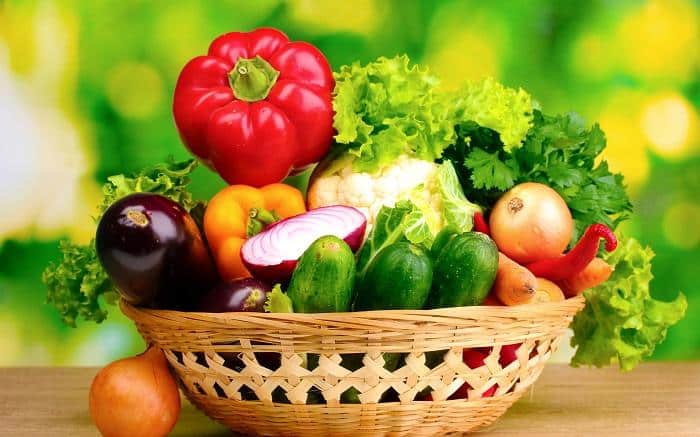
Did your mother always tell you to eat your vegetables? Well, it might have felt like a punishment when you were a kid, but your mom was looking out for you. The more we know about nutrition, the more we know about the benefits of eating a diet that is rich in vegetables.
The Harvard School of Public Health, which recommends nine servings of vegetables and fruits each day, says that eating vegetables can reduce blood pressure, lower the risk of heart disease and stroke, prevent certain types of cancer, reduce eye and digestive problems and keep the appetite in check.
When you eat a variety of fruits and vegetables, you give your body the mixture of nutrients it needs to stay healthy. Many vegetables are high in potassium, which is important for maintaining a healthy blood pressure. Vegetables also contain essential vitamins, such as C and A, that help keep eyes, skin, teeth and gums healthy and to fight infection. The antioxidants in vegetables promote cellular renewal and help prevent a host of diseases, including Parkinson’s disease, atherosclerosis and Alzheimer’s disease.
Naturally low in fat and calories, vegetables can be a dieter’s best friend. The fiber in vegetables helps you feel fuller longer, and when you substitute vegetables for other higher-calorie, less-nutritious food, you will find weight management to be easier.
New Natural Fertilizer Doubles Garden Production!
But not all vegetables are created equal; some are more nutritious than others. When selecting vegetables, brightly colored vegetables generally pack a bigger nutritional punch than lighter colored varieties. Iceberg lettuce, which is light green, pales in comparison with the nutrition of its darker cousin, romaine lettuce, for instance. To help you make great choices for your garden and for your table, here is our list of top 10 healthiest vegetables.
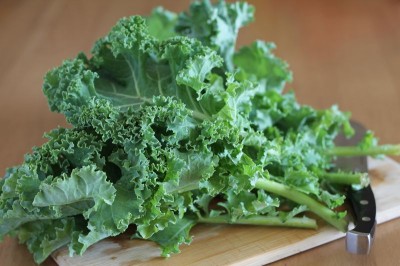
1. Kale. Kale is enjoying its 15 minutes of fame with foodies, but healthy eaters have enjoyed kale for centuries. Easy to grow and tolerant of frost, kale adds taste and texture to soups and salads, and it is packed with nutrients, including calcium and Vitamins A, C, K and B6.
2. Broccoli. Kale’s cruciferous cousin, broccoli, is a great choice for its fiber content and for its polyphenols, which have been linked with the prevention of certain cancers and degenerative diseases. Broccoli also is packed with beta-carotene, vitamins C and K and with folate.
3. Spinach. If you haven’t had a spinach salad in a while, it’s time to treat yourself. Spinach is a powerhouse package of vitamins A, C, E and K, vitamin B2 and B6 iron, lutein, magnesium, folate, manganese, betaine, calcium, potassium, zinc, folic acid, copper, protein, selenium, phosphorus, niacin and omega-3 fatty acids. Sneak some spinach into your family’s pasta sauces, casseroles and even pizza toppings for easy added nutrients.
4. Greens. Sautéed, roasted, mashed or pureed, greens can add a nutritional boost to your family meals. Mustard greens and turnip greens contain vitamins K and C, lutein and fiber. Collard greens have those same nutrients, plus loads of potassium. Swiss chard, often used in Mediterranean recipes, also contains those same ingredients plus additional minerals and protein.
5. Brussels sprouts. These little cabbage-like veggies are an excellent source of folic acid, a B-vitamin that is important for pregnant women as it protects against neural tube birth defects. Brussel sprouts are packed with fiber and calcium as well as vitamins K, A and C.
6. Tomatoes. Yes, they are technically a fruit, but we cook with them like they are vegetables, and they are nutritional giants. Tomatoes are rich in lycopene, which is thought to have cancer-fighting protection. Tomatoes also are rich in vitamins A, C and K and are thought to help lower our blood pressure and to reduce the number of free radicals in our bodies.
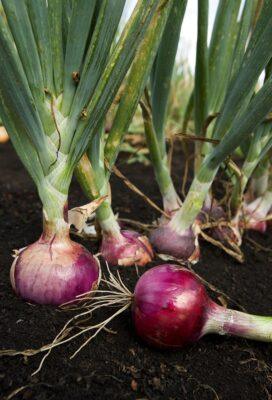
7. Onions. They may not do wonders for your breath, but onions are great for your body. They contain a peptide called GPCS, which scientists believe works to slow down the loss of calcium, thereby helping to fight osteoporosis. Eating onions also may help protect you from heart disease and diabetes because of their high vitamin C and folate content. In addition, scientists believe that the high sulfur content of onions may benefit our connective tissue.
8. Carrots. Long thought to help eyesight, carrots do contain lutein, a carotenoid that is concentrated in the eye’s retina. Carrots also are loaded with vitamins A, C and K and are a good source of fiber. Plus, they are low in calories and give a satisfying crunch when you need a quick snack.
9. Sweet potatoes. A healthier alternative to the white potato, the sweet potato contains potassium, vitamins A and C, manganese, fiber and iron. Be sure to eat the skin for the best nutrition.
10. Bell peppers. Keeping in mind that color equals nutrition, red, orange, green and yellow bell peppers are packed with dozens of nutrients, including lycopene and folic acid. Recent studies show a new twist to the old apple adage: eating a bell pepper a day may keep the doctor away by helping to lower your risk of developing pancreatic, lung, colon and bladder cancers.
According to research conducted by the U.S. Centers for Disease Control and Prevention, only 27 percent of adults and 13 percent of adolescents are eating the recommended three or more servings of veggies a day. When you consider all that vegetables offer in terms of taste and nutrition, you’ll probably find yourself sounding like your Mom, saying “Eat your veggies” to your own family tonight.
What would you add to the list? Let us know in the section below:
Get $600 worth of survival blueprints … free!