 Print
Print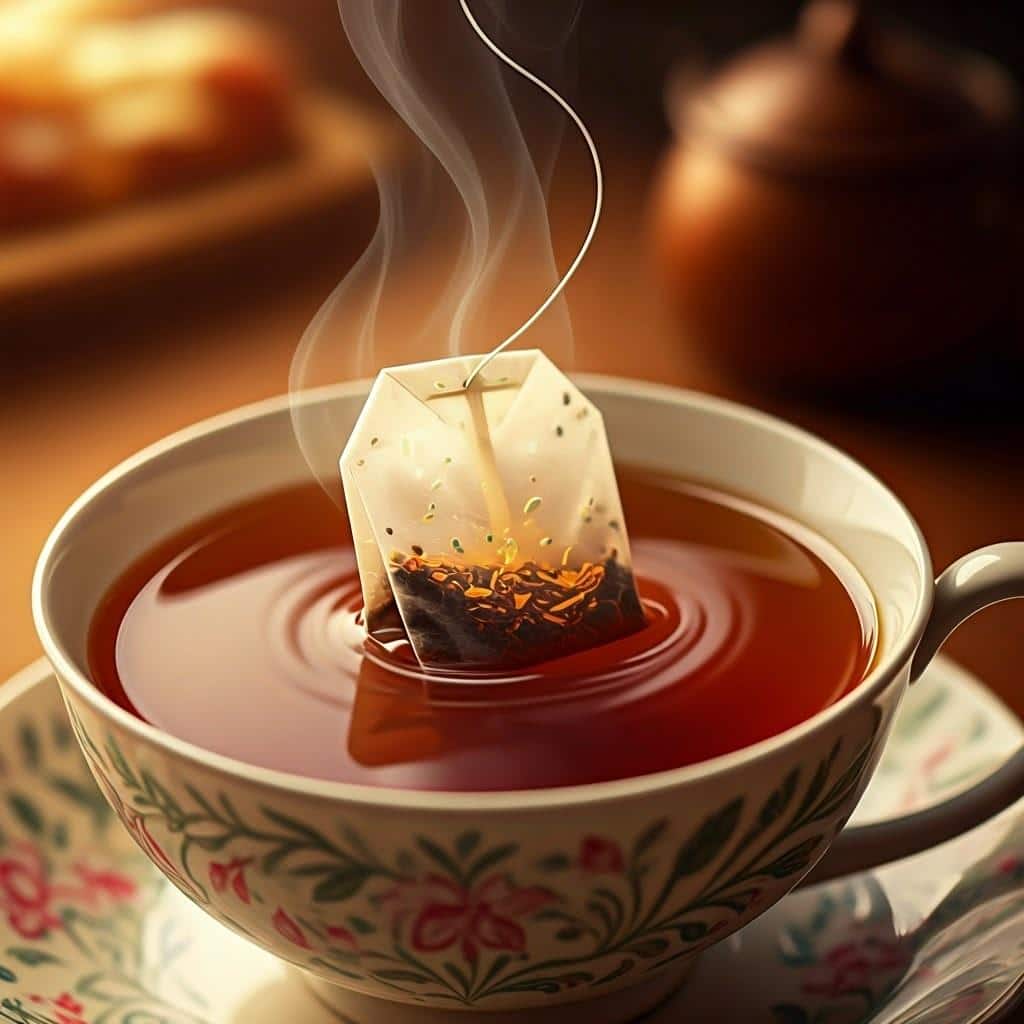
How Many Microplastics Are In Your Cup?
Recent research has highlighted a concerning trend: common tea bag materials such as nylon, polypropylene, and cellulose can shed micro and nanoplastics (MNPLs) into every cup of tea.
In fact, one study published in Chemosphere (November 2024) found that each plastic tea bag steeped at brewing temperature releases around 11.6 billion microplastics and 3.1 billion nanoplastics. By comparison, a 2024 study on bottled water discovered an average of 240,000 plastic particles per liter, most of which were nanoplastics.
How Teabags Leach Plastic Particles
Scientists simulated typical tea preparation by immersing and stirring commercial nylon, polypropylene (PP), and cellulose tea bags in water. The results showed that all three materials released microparticles, with polypropylene shedding the most and nylon shedding the least. Sphere and scale-shaped surface irregularities from the manufacturing process appear to make these bags more prone to breaking apart.
Comparing Nylon, Polypropylene, and Cellulose
Polypropylene tea bags are widely used for their ability to be heat-sealed. They are often found in many conventional brands. Nylon, usually labeled “nylon mesh” or “woven material,” is used in some high-end, pyramid-shaped tea bags.
Cellulose-based bags appear more paper-like and are frequently marketed as biodegradable or plant-based. However, many cellulose tea bags now incorporate polypropylene to heat-seal the edges, which affects their overall biodegradability.
Secret Sources of Plastics Beyond The Bag
Additional plastic components… such as glue used to seal the bags or plastic in the string… can add to overall plastic exposure. A new study published in the upcoming issue of Food Chemistry found that MNPLs may also be present in water, tea leaves, and even plastic kettles, suggesting that every aspect of tea preparation can contribute to MNPL intake.
Dangerous Health Implications?
Researchers behind the Chemosphere study examined how MNPLs interact with human gut cells using three colon cancer-derived cell lines, each producing different mucus levels. Cells that produced more mucus absorbed a higher number of MNPLs.
Within 24 hours, these particles reached cell nuclei at 100 micrograms per milliliter dose. While not confirmed, the possibility exists that MNPLs could cause harm to the cells, potentially leading to increased risks of cancer and genetic disorders.
Strategies for Reducing Microplastics Exposure
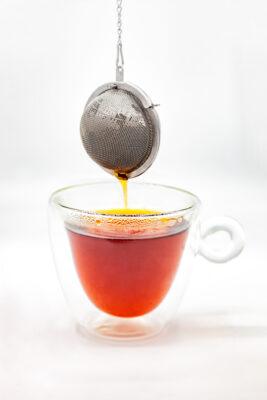
Cutting plastics entirely out of daily life is challenging due to their ubiquity, low cost, and versatility. Nonetheless, some tea manufacturers have successfully replaced plastic with safer alternatives such as paper, cotton, or silk in response to consumer demand. For individual tea drinkers, using loose-leaf tea in a metal tea ball or a French press is one way to avoid plastic tea bags.
Reducing plastic exposure can also involve choosing reusable metal water bottles and glass containers for food storage and reheating.