 Print
Print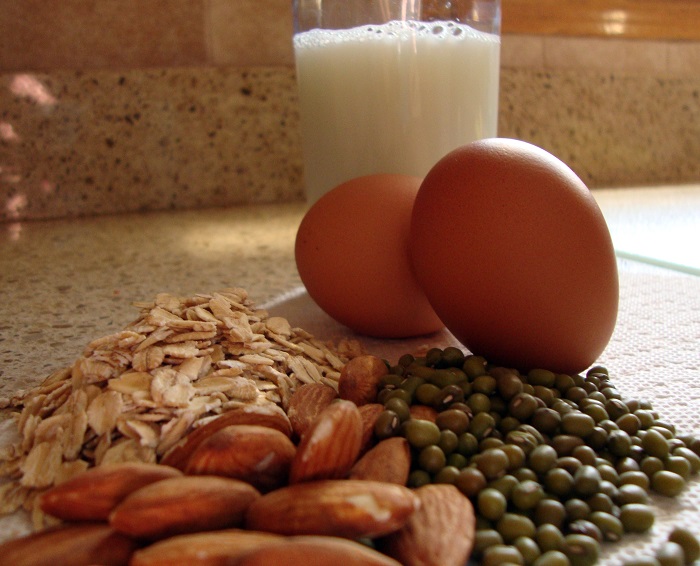
Most survivalists strive to have an impressive array of stored food, ready for consumption when disaster strikes. This stored food often consists of freeze-dried meat, vegetables and meals (25-year shelf life), nitrogen-packed corn, rice and wheat (10-year shelf life), and canned goods (up to a five-year shelf life).
While it’s a good idea to have a stockpile of food, one of the main goals should be to have a sustainable supply of fresh food for carbohydrates, calories and fat. Even more important is a sustainable supply of protein-based foods. There are several options for survivalists and preppers, including vegan gardening, domesticated animals, and hunting and fishing.
Plant-Based Protein
Many Americans are vegans, and eat no meat or foods derived from animal products. In today’s society, it relatively easy to eat a vegan diet that provides the needed protein, vitamins and minerals, especially if supplements like vitamins are taken.
But during a large-scale crisis, sophisticated supplements for vegans won’t be available. Veganism may be a luxury only, especially in a world where people struggle to simply get enough to eat — period.
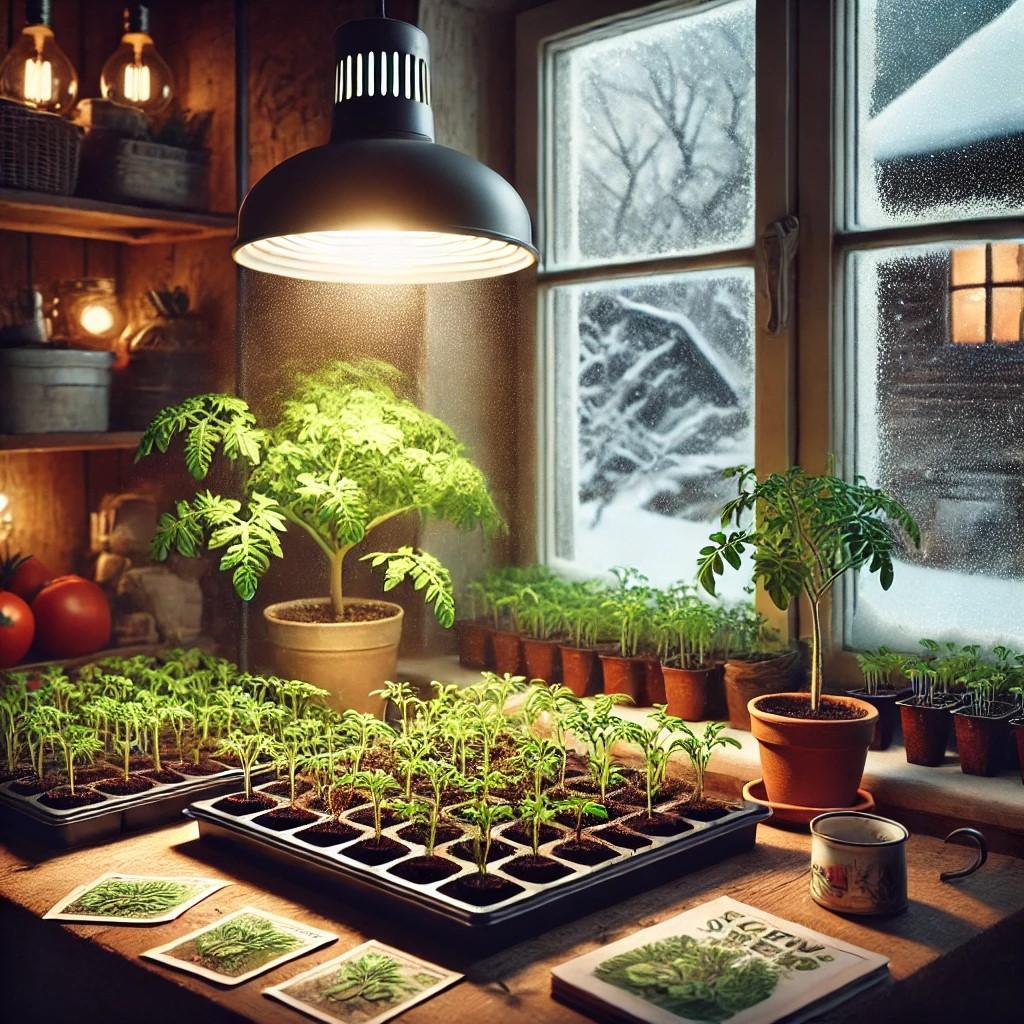
However, vegans can start working toward a sustainable garden to provide a complete vegan diet. This diet consists of plenty of leafy greens, legumes, other fruits and vegetables, whole grains and nuts. While the delicate nutritional planning vegans need to do is beyond the scope of this article, that information is readily available online. Here, we’ll focus on growing the three major components of a plant-based diet that supplies the necessary protein, vitamins and minerals: fruits and vegetables, grains, and nuts.
Fruits and Vegetables
Legumes are a great source of protein. In most parts of the country, dried beans can be easily grown and stored. In warmer climates, peanuts are a great option (peanuts are legumes, not nuts). Lentils provide iron. Dark-leafed greens like kale and spinach provide calcium. Soybeans are a good source of omega-3 fatty acids, which are difficult to get from a plant-based diet. Raisins (dried grapes) also provide needed minerals.
New Survival Seed Bank™ Lets You Plant A Full Acre Crisis Garden!
Grains
While carnivores can get by with meat, vegetables and fruit, the vegan diet really needs grains for a complete diet. The vegan survivalist should set aside a dedicated area on the homestead to grow some oats or wheat.
Nuts
An area should also be reserved for a few nut trees. Nuts provide needed fat to a vegan diet. Almonds are a great choice because they can be preserved in almond butter or ground for a vegan alternative to milk
A sustainable, sufficient vegan garden is not for the faint-hearted, but those serious about it don’t let challenges deter them.
Domesticated Animals

Probably the most popular choice among survivalists for a sustainable protein source is domesticated animals. The choice depends a lot on individual circumstances. Those with enough acreage, flat land, water and resources for security may raise hundreds of cattle or other large livestock. However, here we’ll assume that the survivalist has a smaller homestead and only a few family members to help out with chores. In this case, two of the more common animals are chickens or rabbits.
Chickens
For many, chickens are the domesticated animal of choice. They require little care, much of their food can be grown on the homestead, and they provide eggs as well as meat, and their manure makes great compost.
The challenge for chickens in modern times is breeding them. Over the past 70 years, the breeding instinct has been systematically eliminated. This is because when a chicken lays an egg, we don’t want her nurturing it; we want her to abandon it so we can take the egg.
Fortunately, there are still some heirloom breeds available that homesteaders can use for breeding. Alternatively, eggs can be incubated. Both methods take some practice, so if you want to breed chickens, start now so that you can master the skill with time.
Rabbits
Rabbits are another good choice. Like chickens, they don’t require much care and with some effort can be fed from the homestead’s garden. Unlike chickens, they are great breeders so there are few challenges with that.
The Hidden Secrets Of Making Herbal Medicines…Right At Your Fingertips!
One benefit of rabbit meat (in modern society) is its greatest disadvantage in a post-apocalyptic world: It is very lean with little fat. In fact, a diet consisting of only rabbit meat without any other fat leads to “rabbit poisoning.” So if rabbit meat is going to be your primary protein, make sure that you get supplemental fat from nuts, eggs or other animals.
Hunting and Fishing
In some areas of the country, nature can provide the protein. Even with three centuries of expanding human population and environmental degradation, North America still has a lot of game. Bison, deer, elk, boars, moose and bear roam parts of the country in large numbers. Smaller game like rabbits, pheasant, turkeys, geese and ducks are also available in many areas. In addition to game, the nation’s thousands of lakes, rivers and streams provide salmon, trout, bass and many other fish.
For example, if your homestead has a creek running through it and several wooded acres, you may be able to get sufficient protein from fish and game to support the family.
Conclusion: A Happy Medium
A protein diet from plants, domesticated animals, or hunting and fishing are all options. However, probably the best plan is some combination of all three. That’s because if you rely only on one of the options, one bad year could destroy your protein source. Pests may destroy key crops, or a disease kills off the chickens or rabbits, or the hunting or fishing doesn’t go well.
Therefore, most homesteads should get protein from a variety of sources. Beans and peanuts from the garden, with occasional meat from the chickens, and fresh meat from a deer or a hover of trout complement each other to provide a satisfactory and varied source of protein.
What are your preferred sources of protein in a survival situation? Share your tips in the section below:
Get $600 Worth Of Survival Blueprints … Absolutely Free!