 Print
Print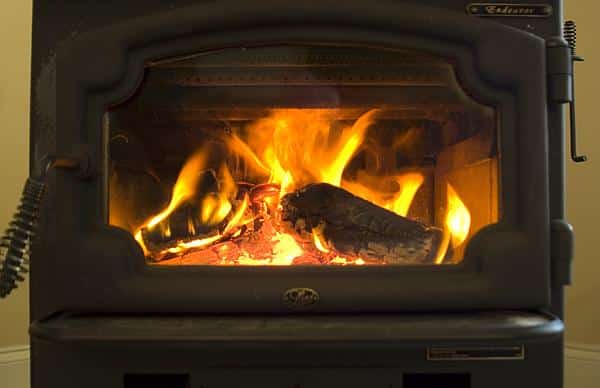
With the cold season here and shorter days now the norm, many of us are considering alternative ways to heat our homes and save on energy costs this winter.
Although modern homes are usually designed to accommodate central heating and air (with the occasional fireplace thrown in the mix), many homeowners have forgotten about the centuries-old technology that heated the cabins, hunting lodges and residential homes of yesteryear: The wood-burning stove.
There’s nothing quite like the warmth that emits from a wood-burning stove in the wintertime. Having a wood stove to retreat to when the winter elements grow severe is an old-time luxury that can still be enjoyed today; the thick metal walls that encompass today’s wood-burning stoves can warm the most frigid of hands on the coldest of days.
Wood-burning stoves can produce bountiful heat, reduce energy costs, and give your home or weekend getaway independence from utility companies. If your home can spare a little space in your living room or den – and you’re fed up with a high monthly gas or electric bill during the colder months – then perhaps you should consider the many benefits that installing a wood-burning stove in your dwelling has to offer.
A Brief History of the Wood Stove
Stoves have been around in one form or another for millennia. Technically speaking, a few carefully placed rocks over a well-lit fire is a type of makeshift stove that is still used for cooking and heating in many Third World countries today.
Wood-burning stoves, however, didn’t become commonplace home fixtures until well into the 18th century. The first wood-burning stoves were relatively simple: A metal enclosure, a firebrick base, and a way to control air intake were the three primary features.
World’s Smallest Solar Generator … Priced So Low Anyone Can Afford It!
While their utility may sound modest by today’s standards, these stoves were revolutionary in their design. Prior to the advent of the wood-burning stove, most homes were heated with fireplaces that were inefficient, drew poorly, and provided little surface area for cooking (many 18th century fireplaces were equipped with cast-iron cranes and Dutch ovens for cooking meals, limiting cooking options).
Wood-burning stoves, however, solved many of the problems that many fireplaces of the era presented. They helped to retain heat for warmth, provided a flat, clean surface for cooking, and reduced the buildup of smoke and gases within the home.
These benefits were made possible primarily through the application of a damper system, which is an integral part of the wood-burning stove setup to this today. A stove’s damper is a metal flap that is located within the stovepipe, and is designed to control airflow within the stove. Closing the damper restricts airflow, causing the fire to die down along with the heat.
Opening the damper, on the other hand, allows plenty of air to feed the fire, providing the necessary fuel to burn a fire hotter. This feature made controlling the stovetop temperature a little easier, giving users more cooking choices, along with the convenience of having space to cook several separate items at the same time.
Story continues below the video:
Many fireplaces during the 18th century didn’t have damper systems, and those that did suffered several inconvenient flaws, like allowing smoke back into a room along with cold drafts that made their way into homes through the fireplace, especially on windy days. Wood-burning stoves made for great alternatives to fireplaces, primarily because the doors of wood-burning stoves could be closed while still operating, making them safer to use through the night while preventing any backflow of gases or smoke to make their way back into the heated space.
Today’s Wood-Burning Stoves
While the basics behind today’s wood-burning stoves remain equivalent to their 18th century counterparts, some significant changes to modern-day systems are still important to take note of, especially if you are thinking about installing a new system in your home.
For starters, modern-day wood-burning stoves are in a much shorter supply than they were just a couple of decades ago. Is this because many people have left behind the colonial choice for heat and cooking for modern-day options like electric and gas heating?
Not exactly. While most households today do prefer to utilize gas or electric for their primary heating and cooking needs, the availability of wood-burning stoves on the open market has actually been drastically crippled by the regulations that the Environment Protection Agency has placed on the all-metal stoves.
As Off The Grid News reported, the EPA has banned the production and sale of 80 percent of the current wood-burning stoves that are used in homes today.
While the EPA’s requirements for new wood-burning stoves are sure to light plenty of fires — especially for citizens that have long-depended on the tried-and-true heating and cooking method for rural areas — there are still plenty of options out there for those who are thinking about purchasing a new wood-burning stove system.
Many of today’s wood-burning stoves are made from either cast-iron or steel, and afford consumers with features like lift-out cook lids, large pans for easy removal of ashes and debris, and improved damper systems that give stoves even more efficiency than their colonial counterparts.
And if you think that wood-burning stoves are a poor choice for multi-room heating needs, then think again. Most stoves available today are capable of heating between 1,000 and 2,000 feet of living space; just make sure to leave all of your interior doors open.
Many wood-burning stoves meeting high efficiency standards are also equipped with blower systems that are designed to direct warm air from the stove throughout the heating area, allotting for even more space that can be warmed by a new system.
The benefits and features that wood-burning stoves deliver have been plentiful for centuries and remain abundant to this day, especially for those looking to heat dwellings like hunting cabins and lodges that are far from modern utilities. Even if you’re currently tied into the grid, the addition of a wood-burning stove can provide your home with the warmth and comfort that you need during the cold and frigid months, while making for a great heating backup should your power go out this winter.
So consider adding a wood-burning stove to your home today. After all, there’s nothing quite like owning a great centerpiece that you can get a little use out of.
Do you own a wood-burning stove? What tips would you give to a novice? Share your suggestions in the section below:
Get $600 Worth Of Survival Blueprints … Absolutely Free!