 Print
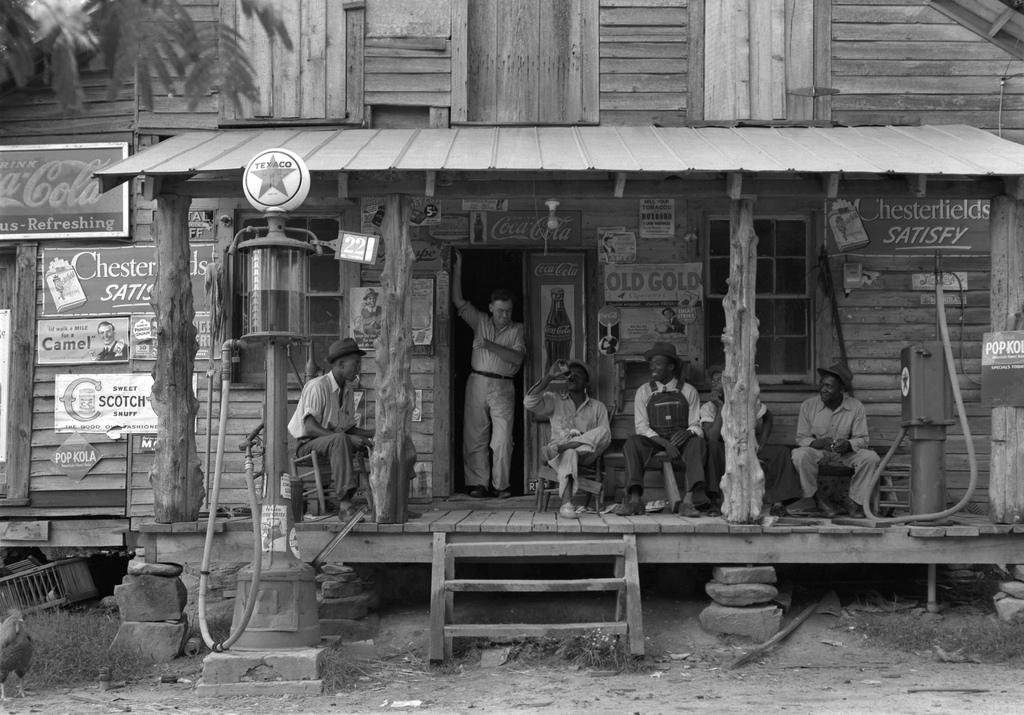
Chances are pretty good that you know someone who lived through the Great Depression. Some of the stories they tell are almost unbelievable.
My mother, for example, was a child during the Great Depression and World War II. She always kept some type of snack in her purse, even though she was well off. She used to tell me that growing up in Michigan, she and her sisters would eat corn meal mush for breakfast while my grandmother heated potatoes inside a wood-burning stove. In the winter months, those potatoes would go inside their coats to keep them warm on the walk to school, and believe it or not, that’s what they had for lunch. A cold baked potato. It’s hard to imagine.
Let’s take a look at 10 ways our Great Depression-era ancestors reused or upcycled common items:
1. Flour sacks
Especially in rural and farm areas, flour sacks were literally reused as clothing. Patches were applied to pants and shirts, socks were mended, youngsters wore hand-me-downs, and flour sacks, which were large cotton bags, were washed, cut, and sewn into just about anything, including aprons, dresses, boys shirts, and underwear
2. Rabbits
While we might not think of rabbits as something you can “upcycle,” they really were versatile animals that helped many families live through the depression. A breeding pair of rabbits could be fed just about any type of produce scraps you could find, or for just a few handfuls of alfalfa. They reproduced quickly and could be used for meat or sold to others for cash or other goods. The fur also could be used to line boots or make blankets and clothing.
Get Free Backup Electricity — That Works Even During Blackouts!
My mother says that her father once spent the weekly meat money on a pair of breeding rabbits. My grandmother was really angry with him at first for spending grocery money on something she had to feed, but within a year, the family was making money or exchanging rabbits for things such as milk or eggs from other families.
3. Washtubs
Large, galvanized washtubs were used for just about everything: washing clothes, washing dishes, even as bathtubs or water heaters. One summer (fortunately it was summer!) my grandmother’s water heater broke and there was no money for another one. My grandfather put a few old sheets in a washtub and would leave it filled with water on the back porch, which got a great deal of sun. By the end of the day the water was warm enough that someone could take a bath.
4. Presents

Most children received fruit and nuts as a Christmas present, or if they were very lucky, a few pieces of hard candy. My mother used to tell me that she would make all of her presents from leftover material she would collect. Broken shoelaces became woven key or watch fobs, scraps of paper (she collected a great deal from school) were cut into small notepad sizes. The tops would have two holes punched in it, and then tied with an old piece of string for notebooks or drawing books.
5. Sheets, towels and blankets
These valuable items were never, ever thrown away until they were literally just threads in your hands. Sheets were mended and patched until they couldn’t be used anymore, and then cut up into dresses, curtains or more patches for other sheets or pillowcases. Sometimes, sheets were cut into long strips and woven into lightweight blankets or rag rugs. The same was true of blankets. Towels were mended until you could literally see through them. Even then, they were cut into washcloths, cleaning clothes, or used for patches for pants and shirts.
6. Chickens
Since we spoke about how rabbits could be used, chickens were also versatile. My father grew up on a small farm where they kept about 100 chickens. Chickens that didn’t lay eggs for a few days became dinner. Feathers from chickens were used to make or repair pillows, blankets, sometimes even saggy mattresses! While geese had better feathers, my father said that their geese were often eaten by local wildlife, so they relied on chicken feathers instead.
7. Old clothing
Some of the creative ways people dealt with clothing during the Great Depression were simply amazing. A knit sweater, for example, could be used in the winter, and then the sleeves removed for the summer. If the sweater was still good, the sleeves were sewn back on. My mother tells me that she once had a pair of shorts and a blouse that were fairly worn out. She and my grandmother took them apart and sewed the material so my mother had a “new” bathing suit.
New Solar Oven Is So Fast It’s Been Dubbed “Mother Nature’s Microwave”
Dresses could be cut into blouses or skirts, depending on where the wear or damage was. Pants were made into shorts, overalls made into pants. My uncle John would tell me that he was embarrassed to wear a pair of his father’s patched-up work pants, until he saw his friends wearing the same things.
8. Tires and inner tubes

Although most tires today do not use inner tubes, they were common during the Great Depression. Tires from cars and bicycles were patched over and over, until they simply could not be used any longer. Some tires were burned as a means of heating, but the smoke is so terrible that you had to be pretty desperate to do that. Tires were often cut and used to replace shoe bottoms or were used to make swings for the kids. Inner tubes were usually cut up to make patches for other inner tubes or tires, but they also could be used to make waterproof boots by simply covering them with pieces of inner tubes cut to fit.
9. Driftwood, string and other things
My mother says that she and her brothers spent many weekends in search of anything they could find either to use or sell. Even things like old tree branches and driftwood were collected, cut and bundled either to be sold or used. Every rubber band and piece of string was kept or collected to be reused when the need arose. Every paper bag was folded and saved, every cord cut off of every un-repairable appliance, and every scrap of soap was saved in a jar to melt later and be reformed into a “new” bar of soap.
Final Thoughts
Many stories about the Great Depression are filled with acts of kindness between people experiencing great hardship. Those are the stories that fill me with the hope that we all could survive something this terrible.
Do you know of other ways our ancestors reused items during the Great Depression? Share your tips in the section below: