 Print
Print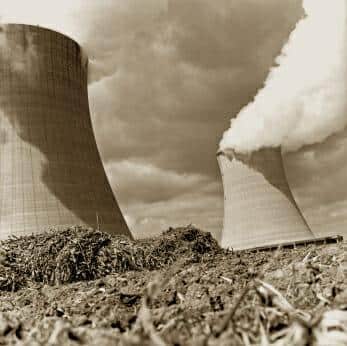
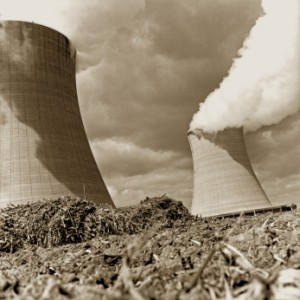 The recent crisis in Japan has fueled fears of a meltdown and radioactive contamination from the nuclear power plant in Fukushima. As the public hears more about explosions and high levels of radiation, confidence in the safety of nuclear power decreases. The governments of China, Germany and the United States are reviewing their nuclear power programs, and Germany is starting to shut down older nuclear plants to avert any potential catastrophes.
As these public and governmental fears push nuclear plants to shut down, the burden on other existing power plants increases. Depending on the country you live in, the remaining infrastructure may not be adequate for handling additional power requirements. Germany in particular requires the output of its nuclear power plants to meet its citizens’ needs, while China is focusing on bringing more coal-fired power plants online.
The March 11, 2011 earthquake and tsunami demonstrated that no structure is fundamentally safe from disaster. Japan’s nuclear plants were constructed to the highest possible standards due to the country’s location on the Ring of Fire — an earthquake-prone region of volcanic activity surrounding the Pacific rim. Tokyo itself remained relatively unscathed considering the strength of the earthquake, but the power plant at Fukushima was much closer to the epicenter. The plant was also in an area affected by the tsunami, further complicating its operation.
Regional power outages and generator malfunctions quickly gave rise to the current crisis. The plant’s staff shut down all five operating reactors immediately, but cooling operations were disrupted by the lack of power. Several reactors overheated and experts believe that the fuel rods have partially melted in at least two of them. Radioactivity levels spiked high enough that the Japanese government ordered anyone within 20 kilometers of the plant to evacuate the area. At present, foreign nationals in Japan are fleeing the country due to contradictory reports on the danger, and the power plant employees were removed from the plant for a short time due to an extreme spike in the radioactivity levels.
While this disaster occurred on the opposite side of the world from the United States, it provides a clear glimpse of what can happen in any earthquake-prone region. California, for example, suffers numerous earthquakes and has many power generation plants. The state is situated on a convergence of fault zones, and it’s wise to consider disaster planning if you live in this region. Other West Coast areas also suffer from earthquakes, though generally not as severe as those experienced in California.
If you live in an area prone to earthquakes and you depend on the power grid, consider establishing some form of alternative energy in case of disaster. As events in Japan and elsewhere demonstrate, power outages can affect even the best, most solidly built infrastructure. Furthermore, a natural disaster such as an earthquake not only disrupts power, it can completely destroy the infrastructure necessary to deliver that power to your home.
Coal, oil, biomass and gas power plants can also experience severe damage and destruction from earthquakes. However, unlike nuclear plants, any damage resulting from a natural disaster will be confined to the area around the plant. Hydro plants are unlikely to experience an explosion if water flow is disrupted, but the machinery requires an immediate shut down to prevent internal damage.
In addition to disaster-related planning, investigate where your power comes from. In California, 70% of power comes from in state or state-owned power plants, and 30% is brought in from other locations. Nuclear power plants represent a small fraction of the state’s 1,008 power production facilities; but, if your area receives power from these plants and they are shut down, it may affect your overall energy costs.
In North America, nuclear power plants are prevalent in the eastern and central United States, and in the Canadian province of Ontario. Few of these areas experience earthquakes, but some of these plants may be shut down after governmental review. If a significant number of nuclear plants are shut down, power companies will need to evaluate how to continue meeting modern power requirements with fewer production facilities.
If the current production facilities cannot meet demand, the various companies will likely construct new power plants and associated infrastructure. This will raise electricity costs for a significant number of consumers, further signifying that it’s time to remove your home from the grid. Rather than paying electric companies to improve their businesses or increase their profits, invest in an alternative energy source that will prevent you from receiving an endless round of increasing utility charges.